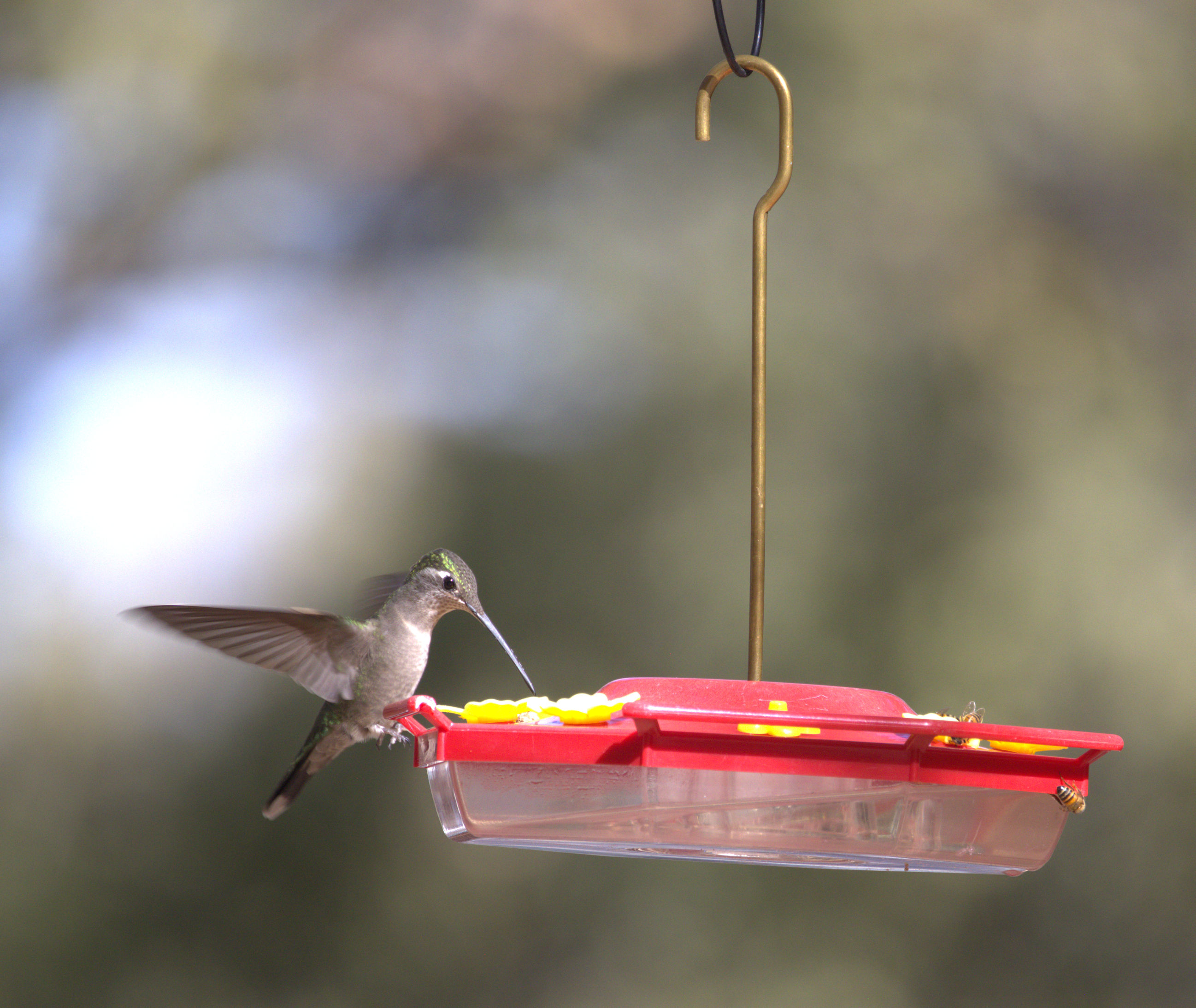
The Rivoli’s Hummingbird is the second-largest hummingbird north of Mexico, and they have one of the highest recorded heart rates of any vertebrate, ranging from 420–1,200 beats per minute. This bird was named in 1829 for amateur ornithologist the Duke of Rivoli, a place name that is now in Italy. The common Anna’s Hummingbird, who lives all winter in Portland was named after the duke’s wife.
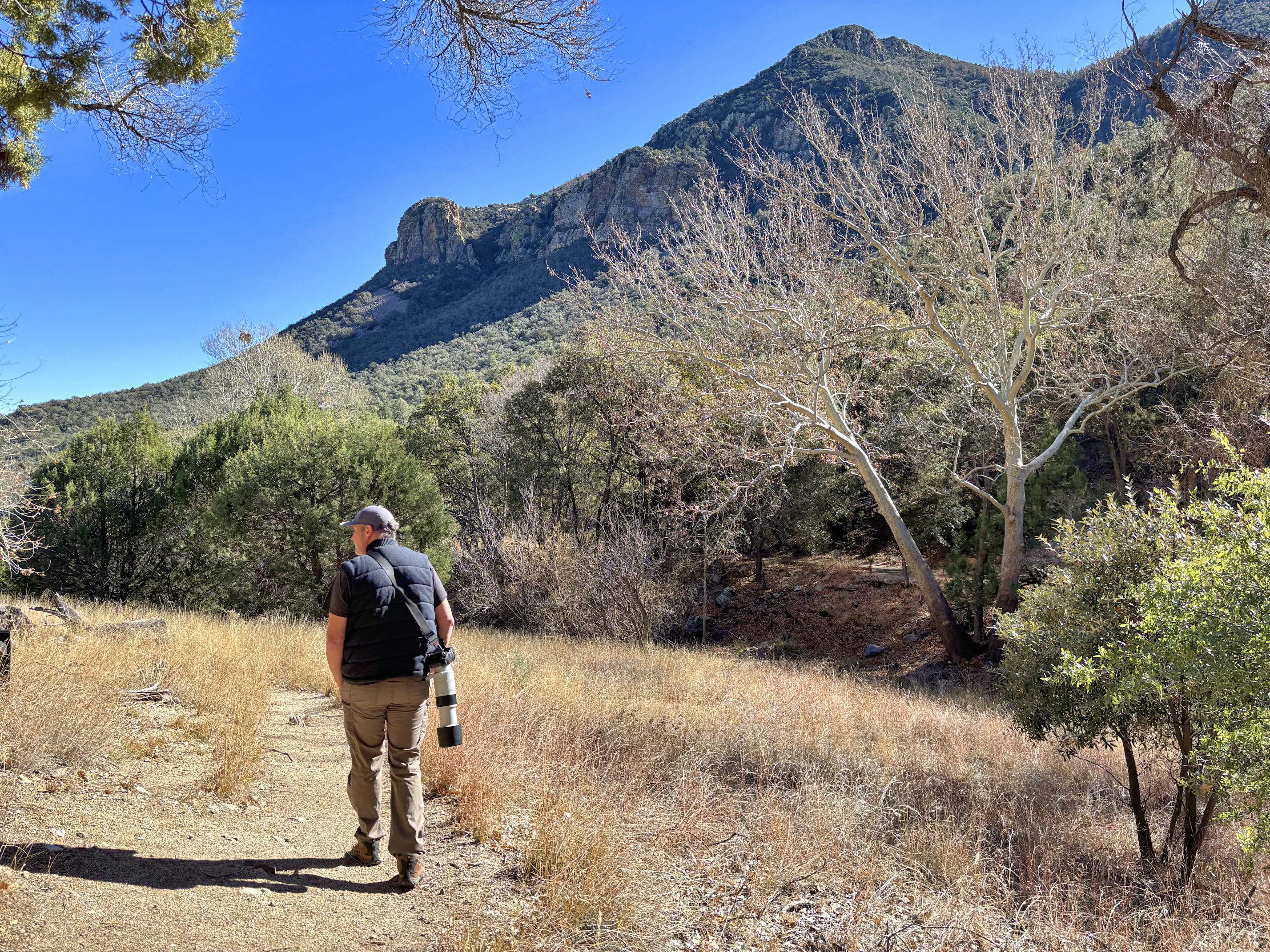
While in Arizona, I visited my cousin David, an excellent photographer. I was unfortunate in that I neglected to check the battery level on my camera before the trip. It died while I was with David, who insisted that I use one of his spare cameras. It was of course the fanciest camera I have ever held in my hands. There was a learning curve, and I struggled to capture anything at all, at first. But after an hour or so, I was getting better.
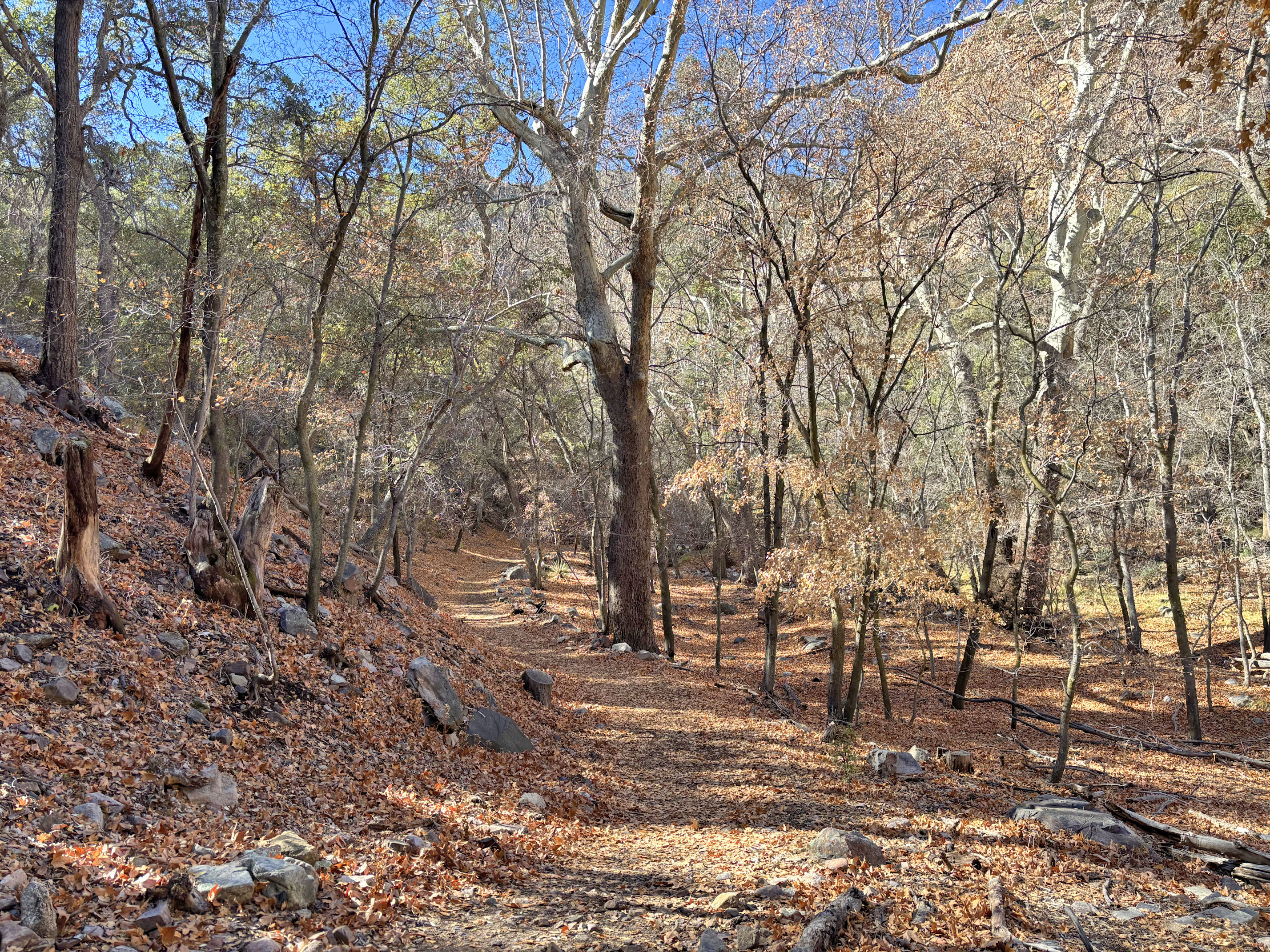
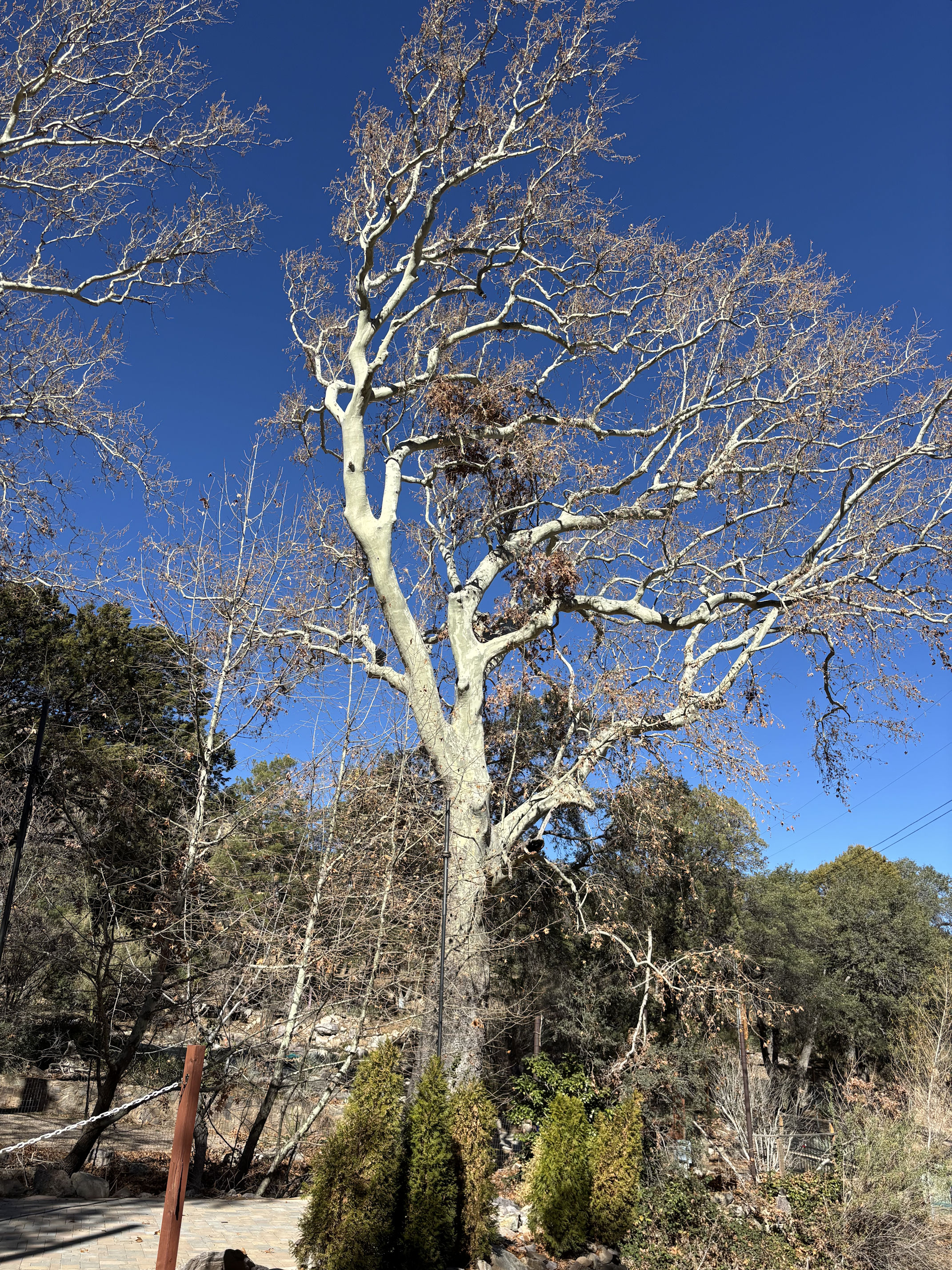
He was eager to get into Ramsey Canyon and I’ll highlight some of the fun shots I took on his camera, and I’ll include the images from my phone that showed what the canyon looked like.
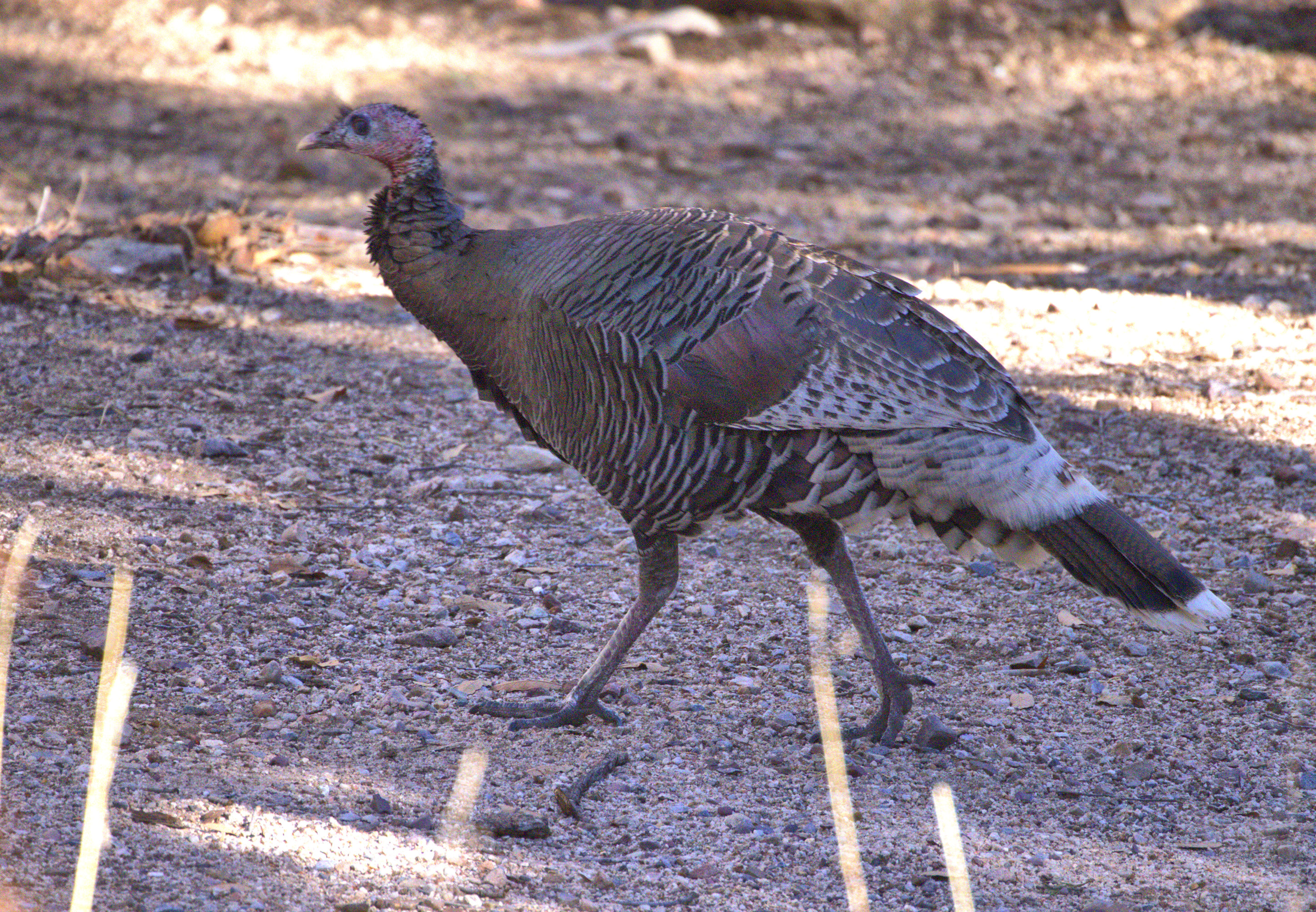
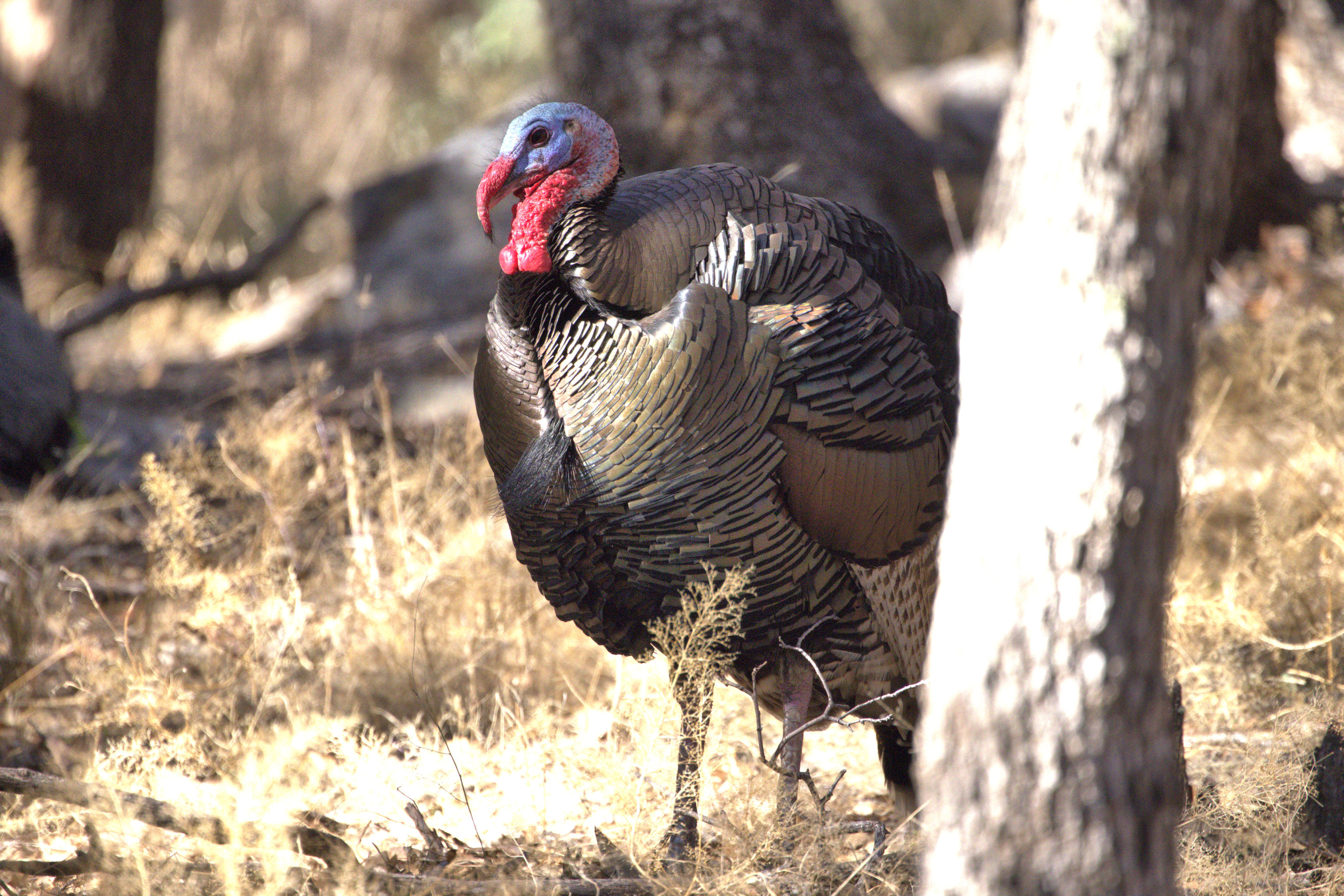
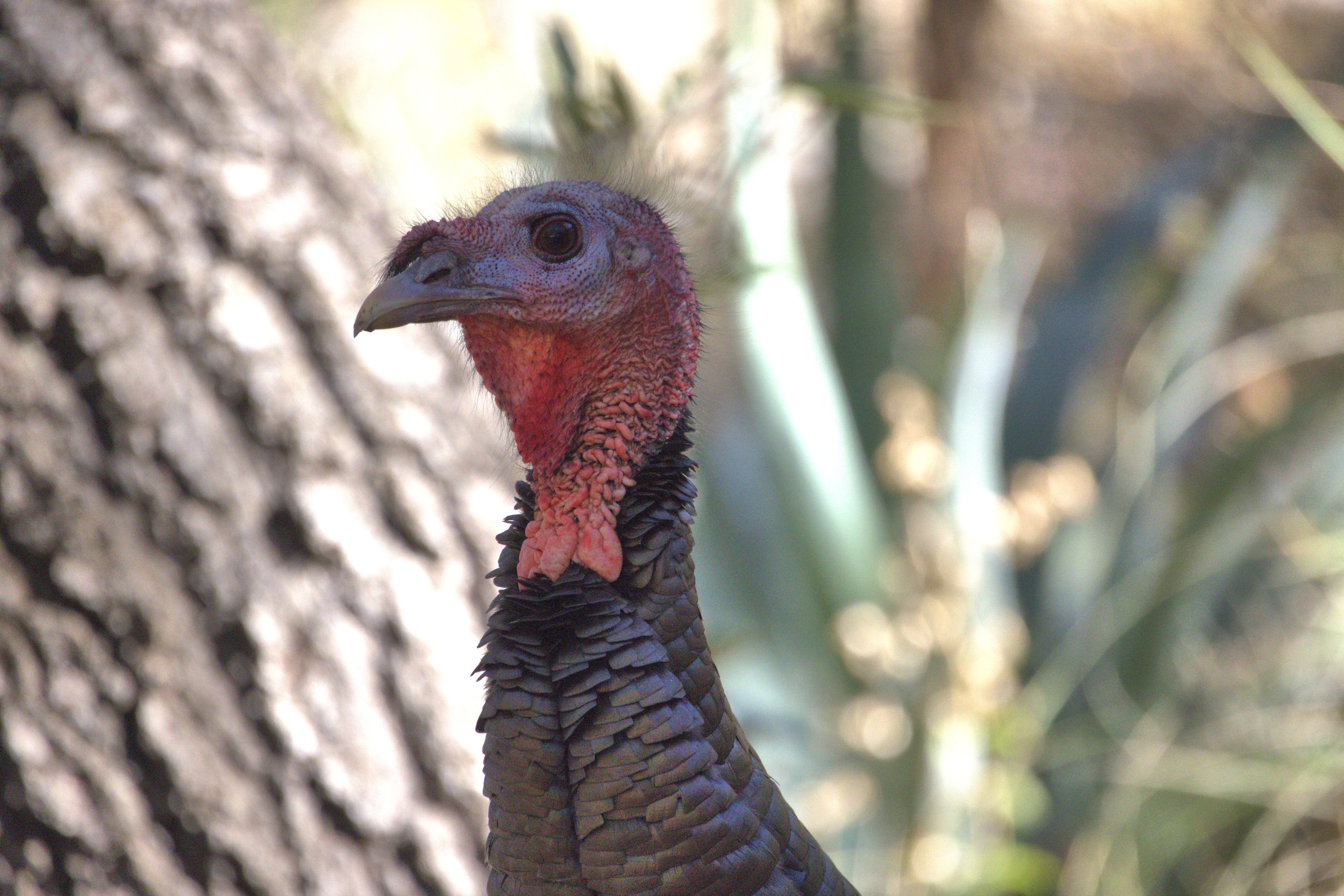
On that day the walk up the road to the Ramsey Canyon Preserve was more filled with wildlife than the preserve itself. Especially fun were the wild turkeys. David told me that they won’t back down when they sense a threat, so I walked toward them and the turkeys were like, “Yep!” and they walked right to me and fluffed up their feathers in a display. It was marvelous and they were gorgeous.
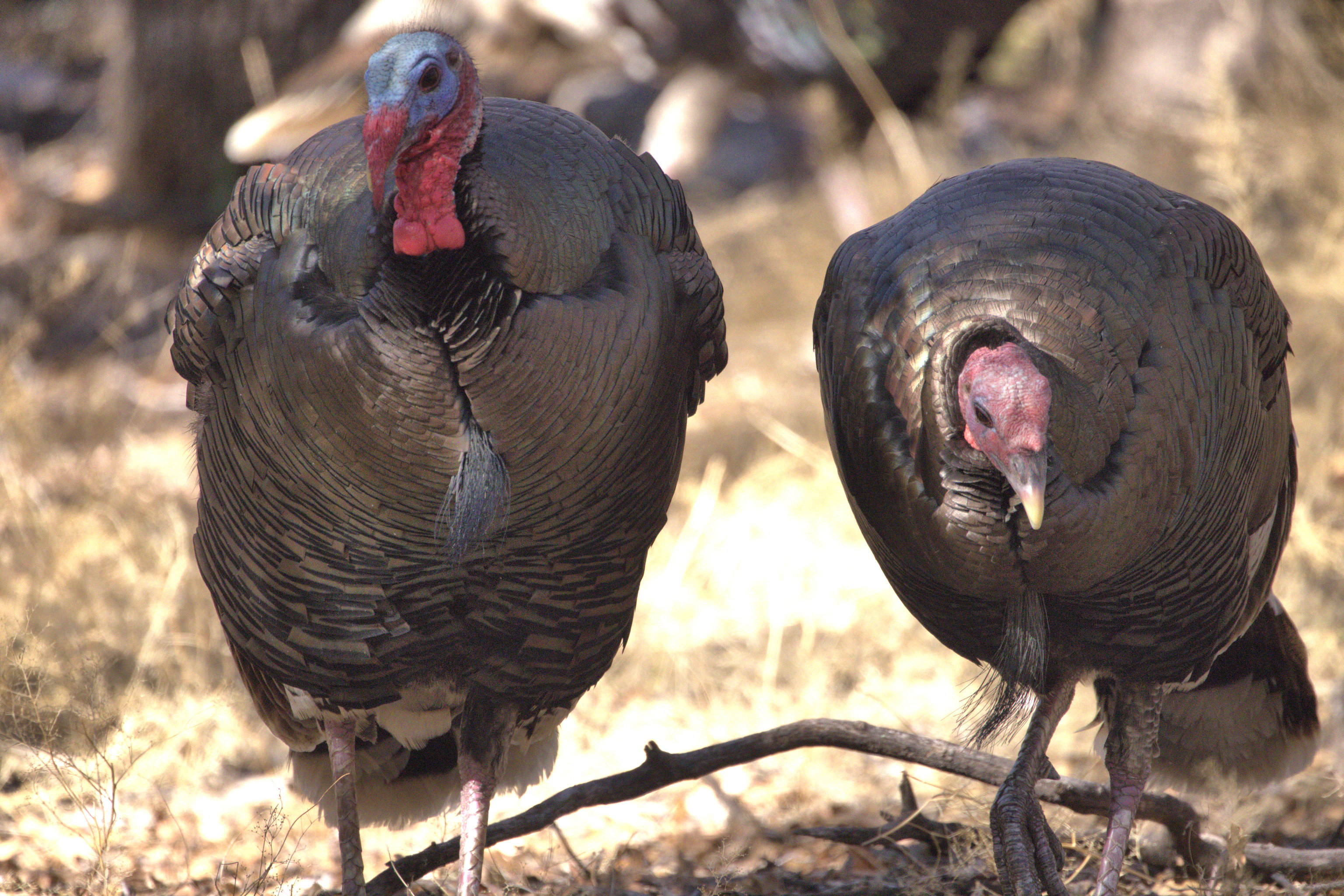
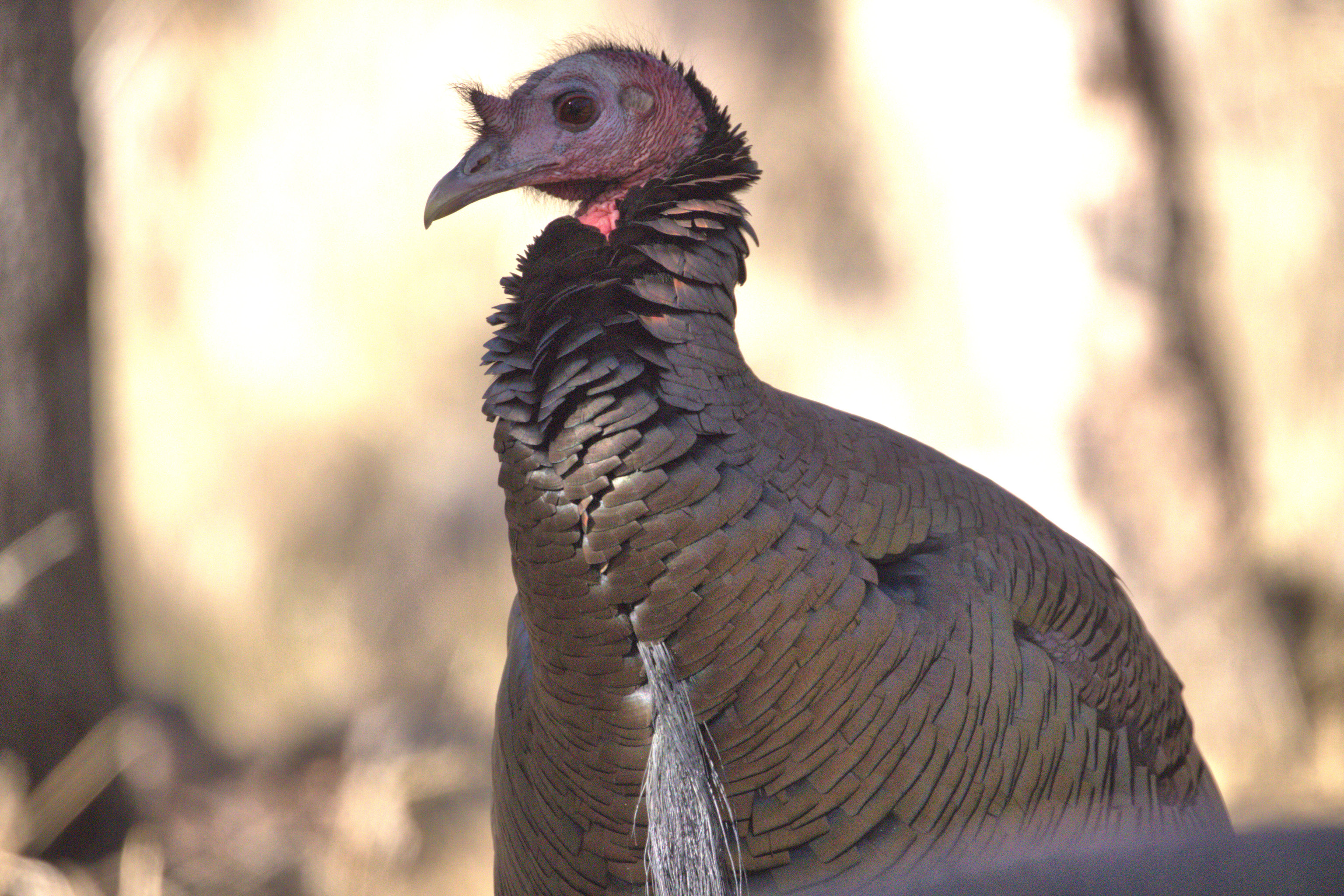
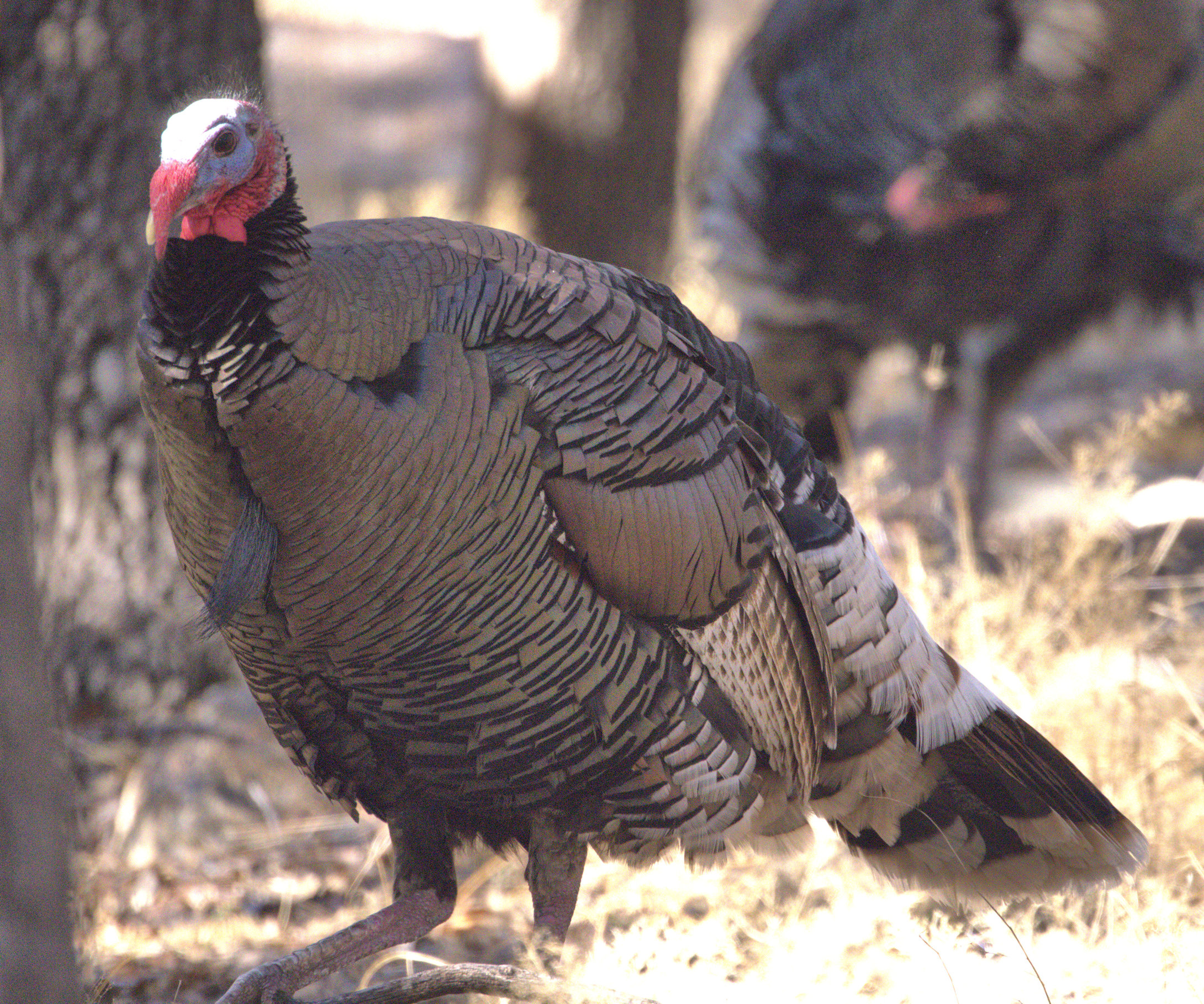
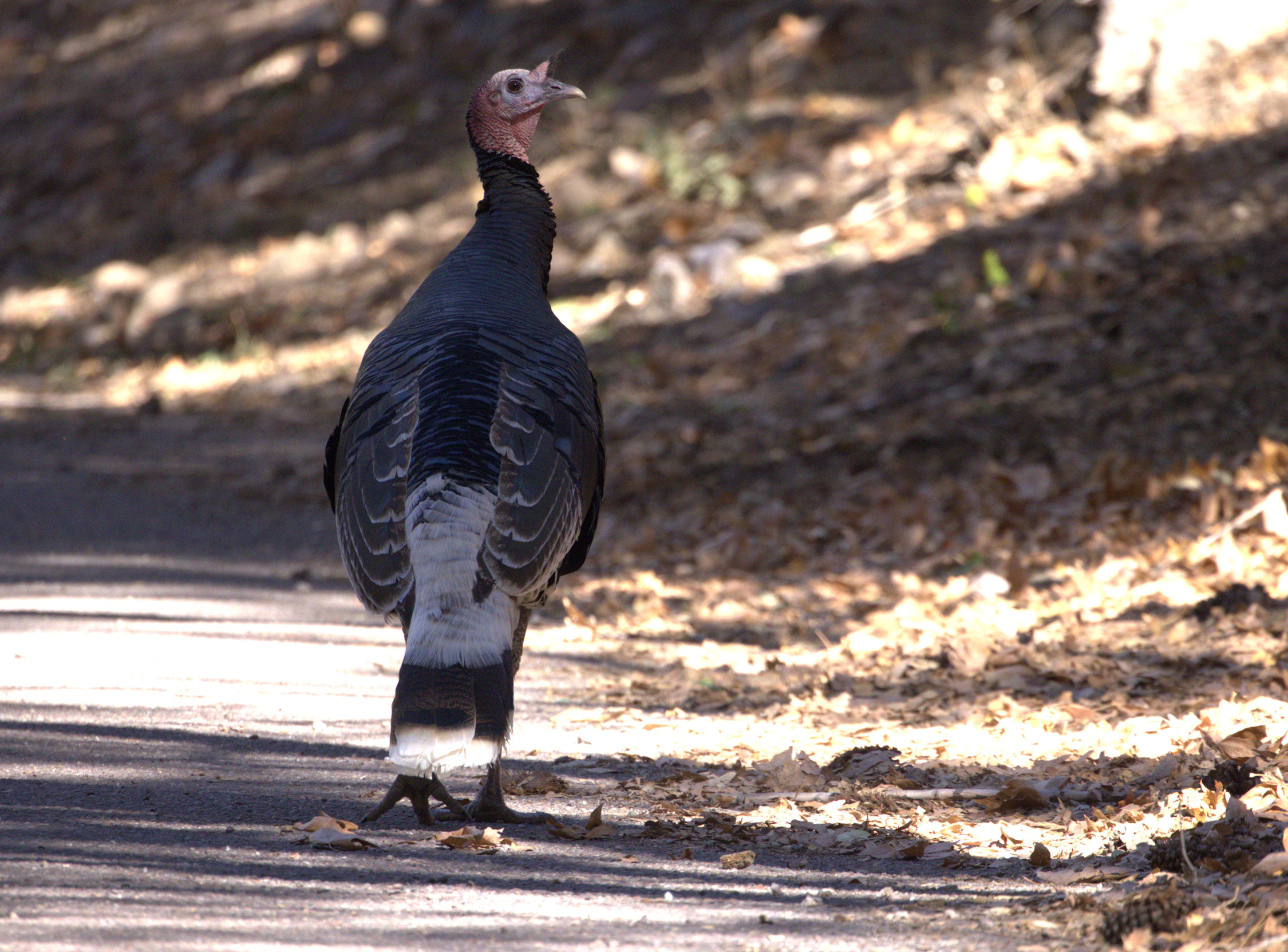

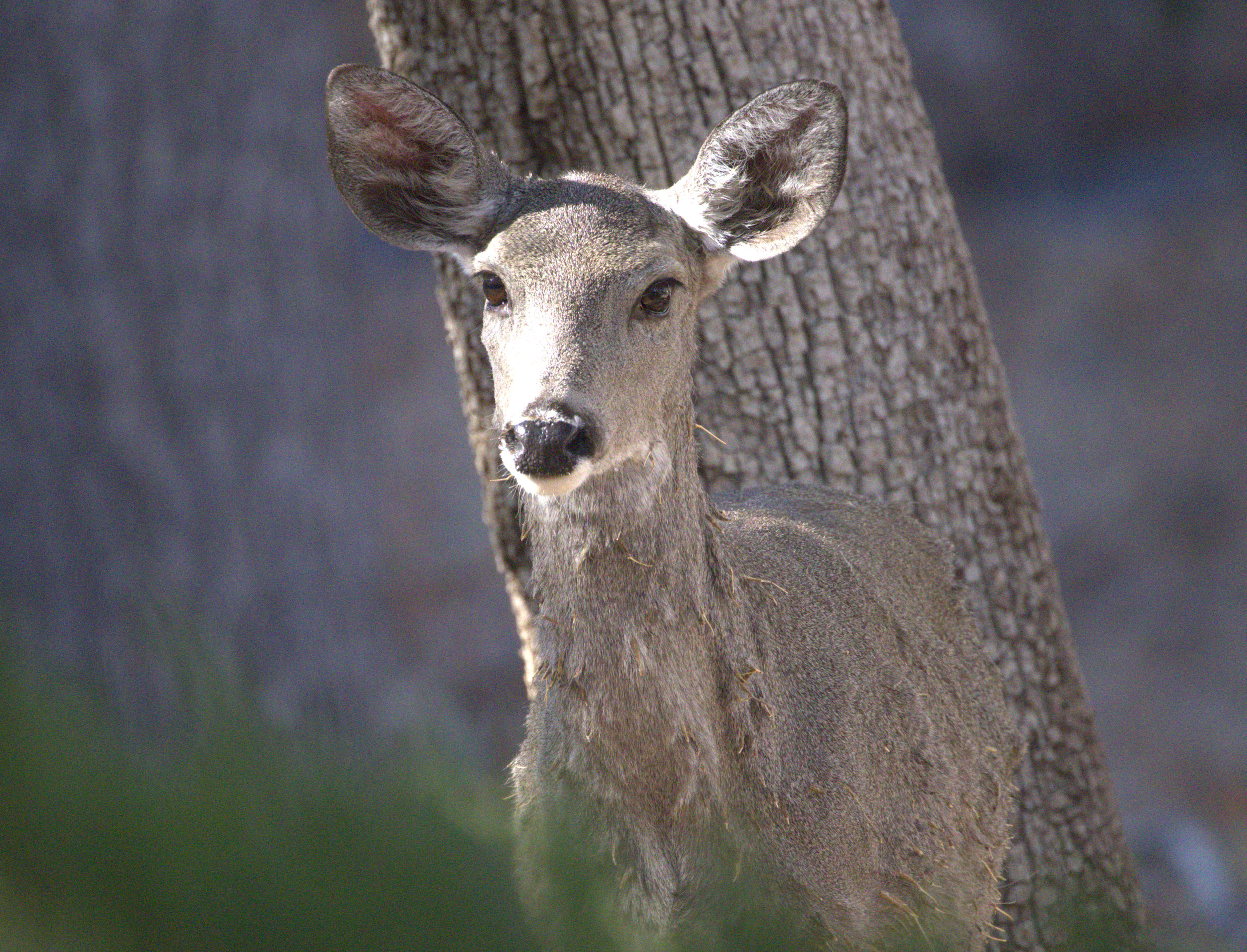
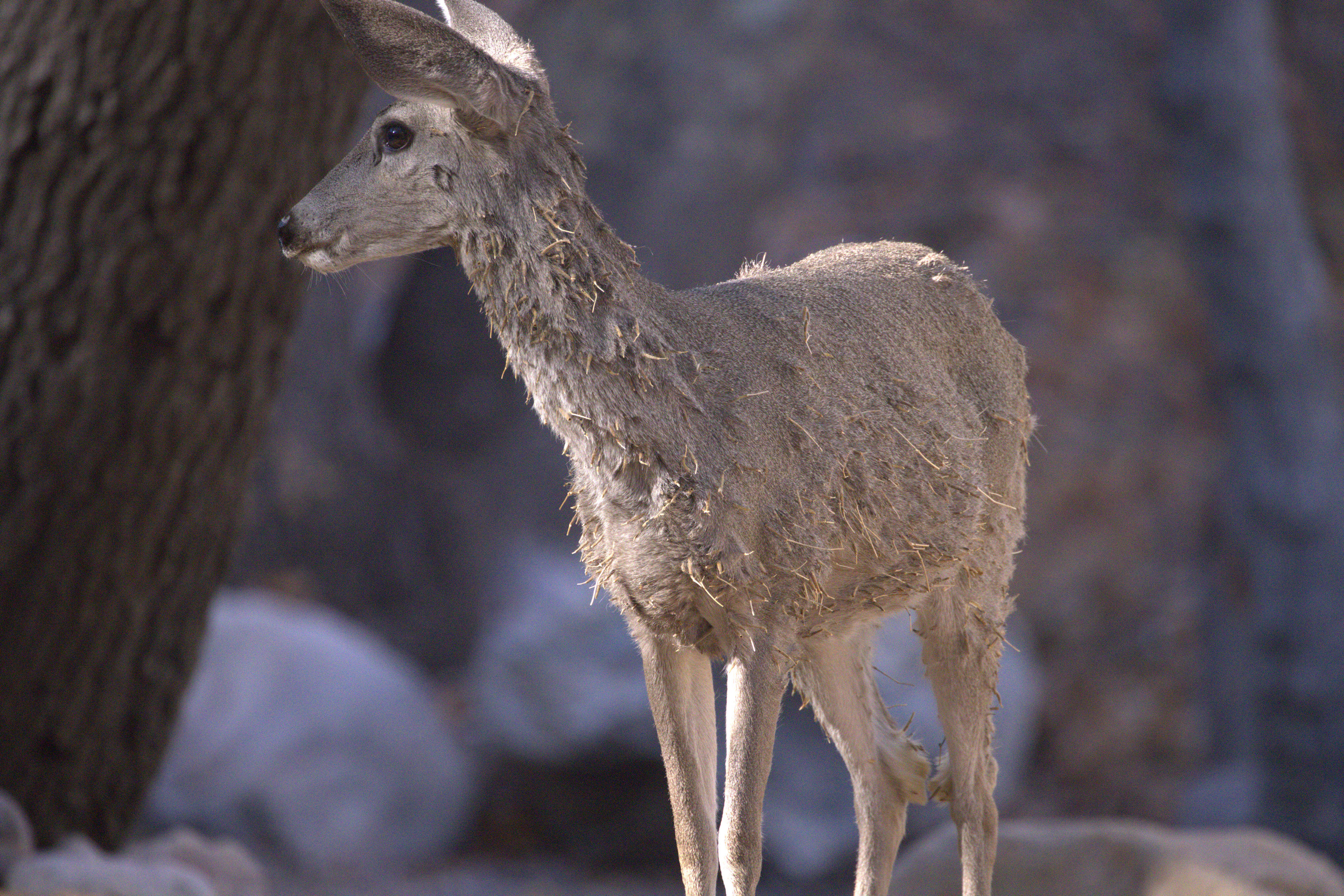
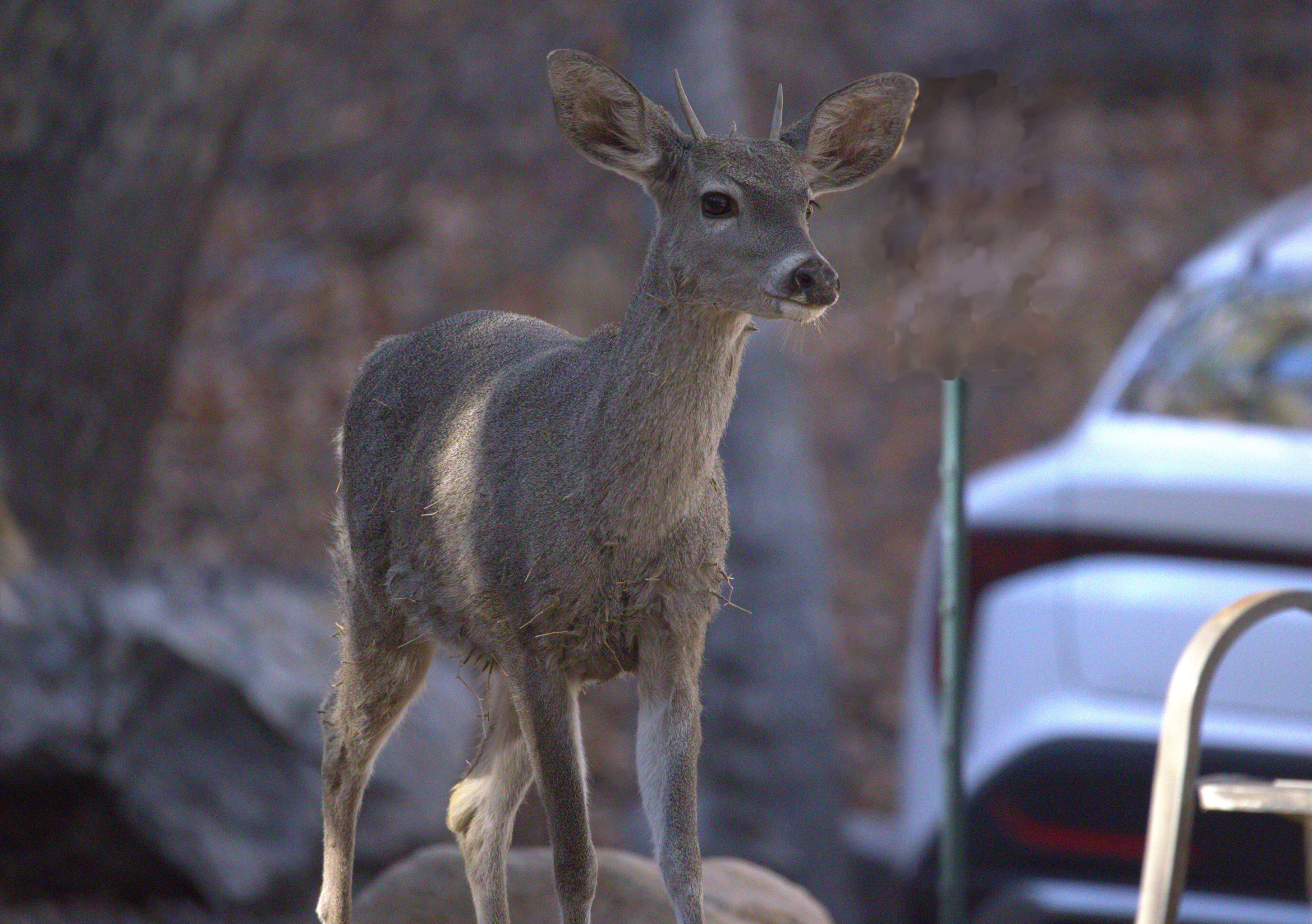
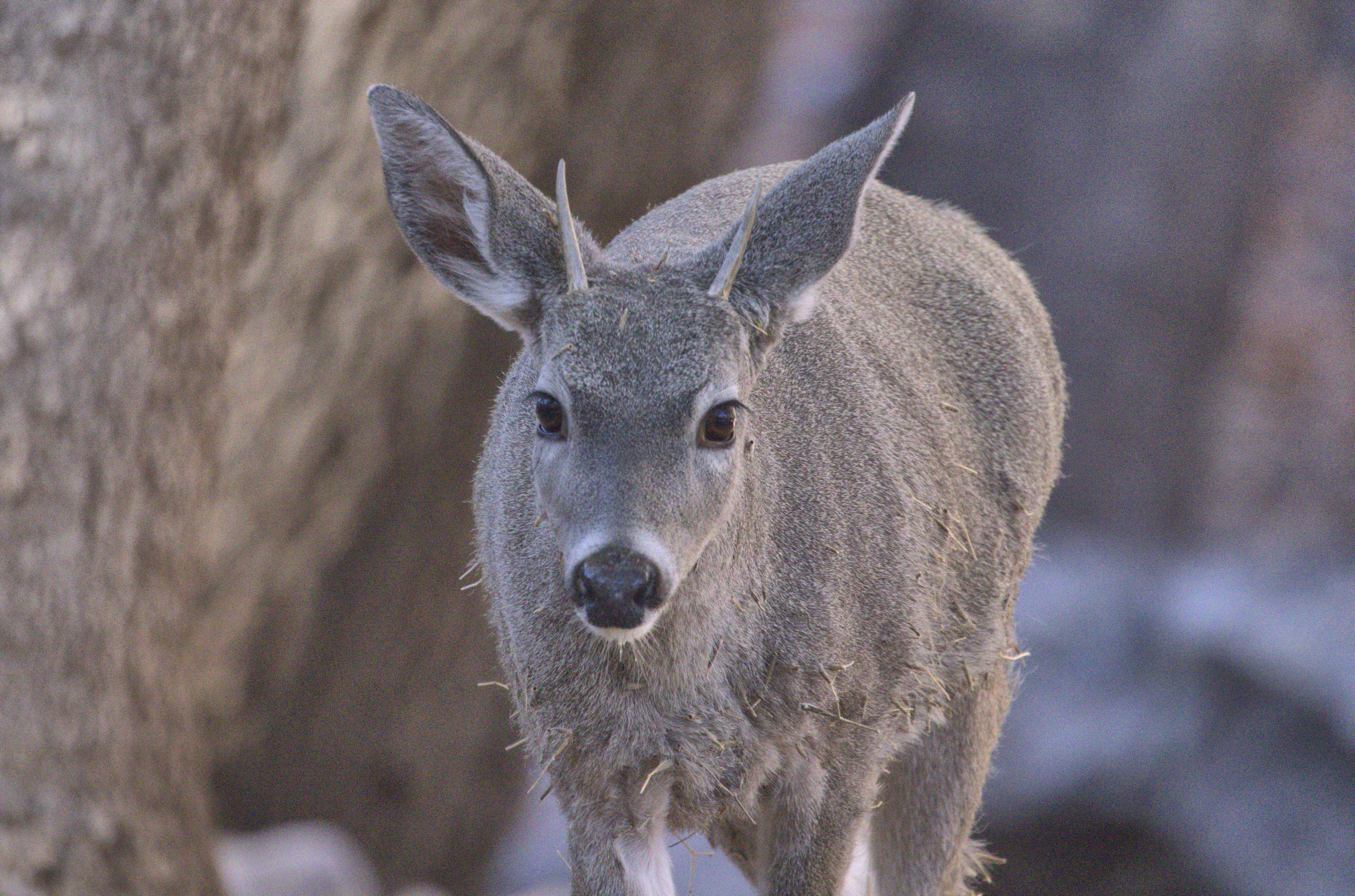
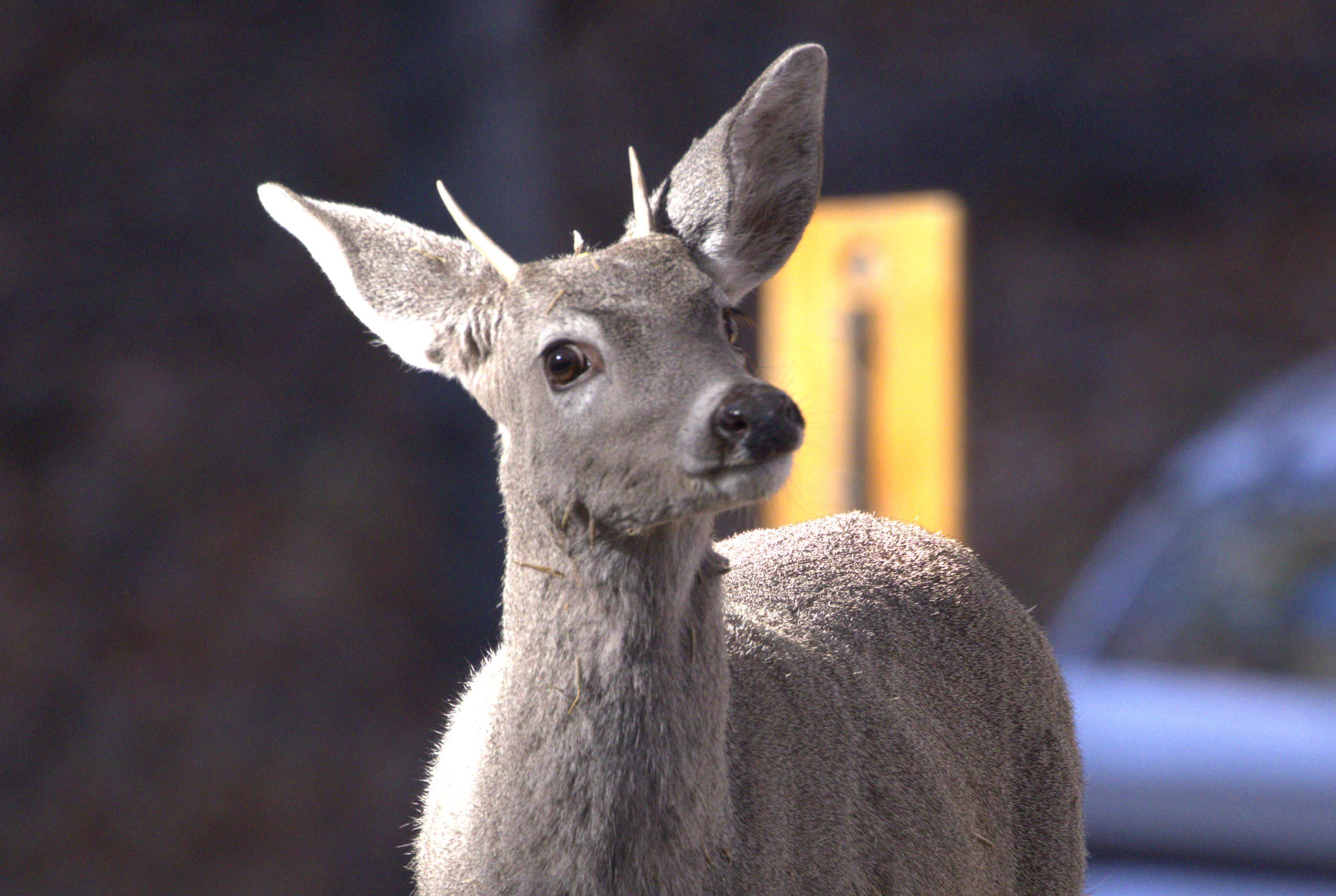
After we had taken dozens of shots of the turkeys, we walked farther along the road, and had to stop for Coues Whitetail deer passing right in front of us. It looked as though they had slept the night before in some rather grabby weeds that had attached themselves to their coats. What a mess those poor deer were.
At the entrance to the preserve is an area with some bird feeders and we took a few shots there. That’s where the hummingbird photo from the top came from.
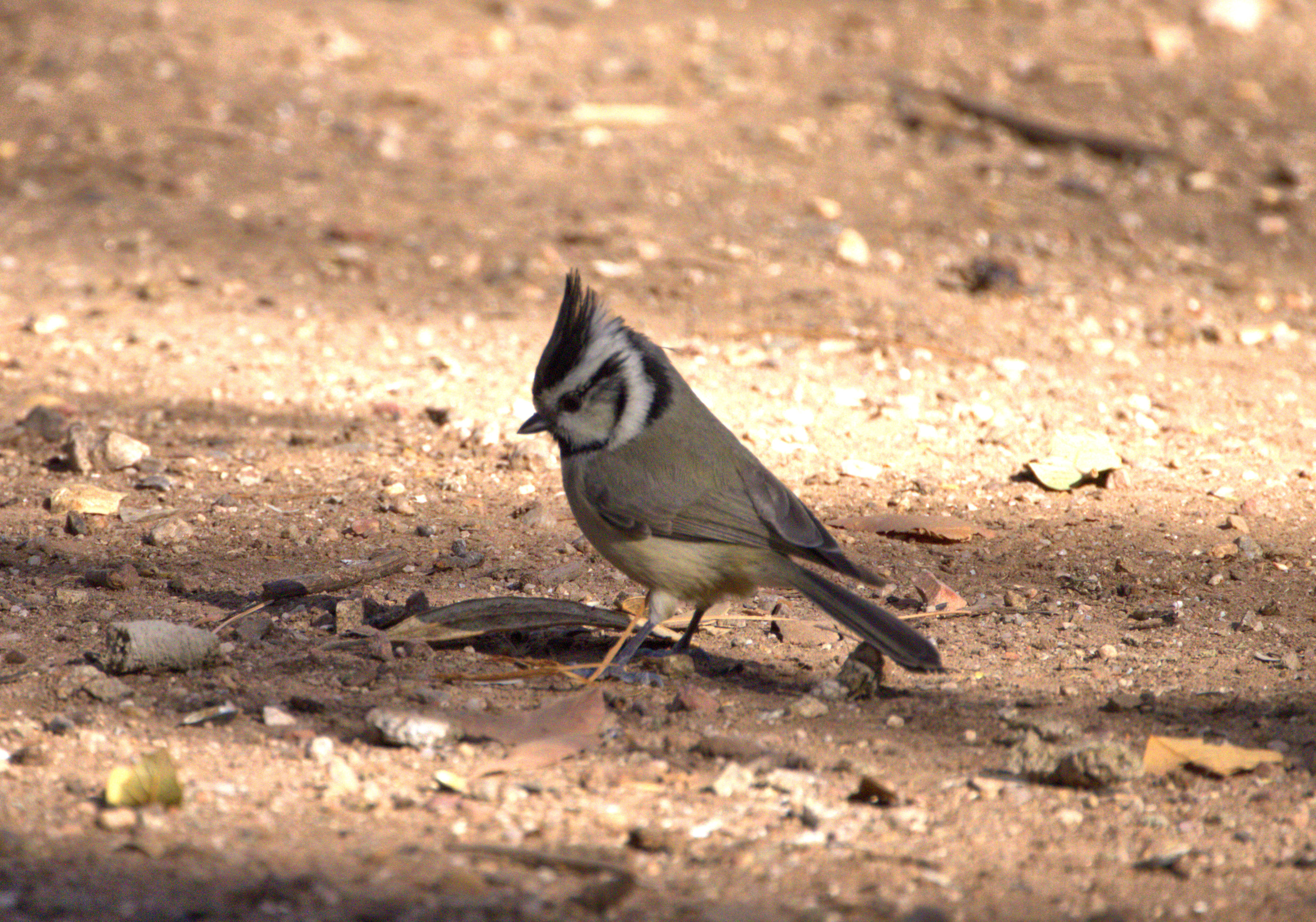
After gazing at the birds at the feeder for a while, then stopping inside the visitor center to pay the small fee and warm up a little, we moved on. Though it was Arizona, we were in the mountains and it was right around freezing that morning. Brrrrr.
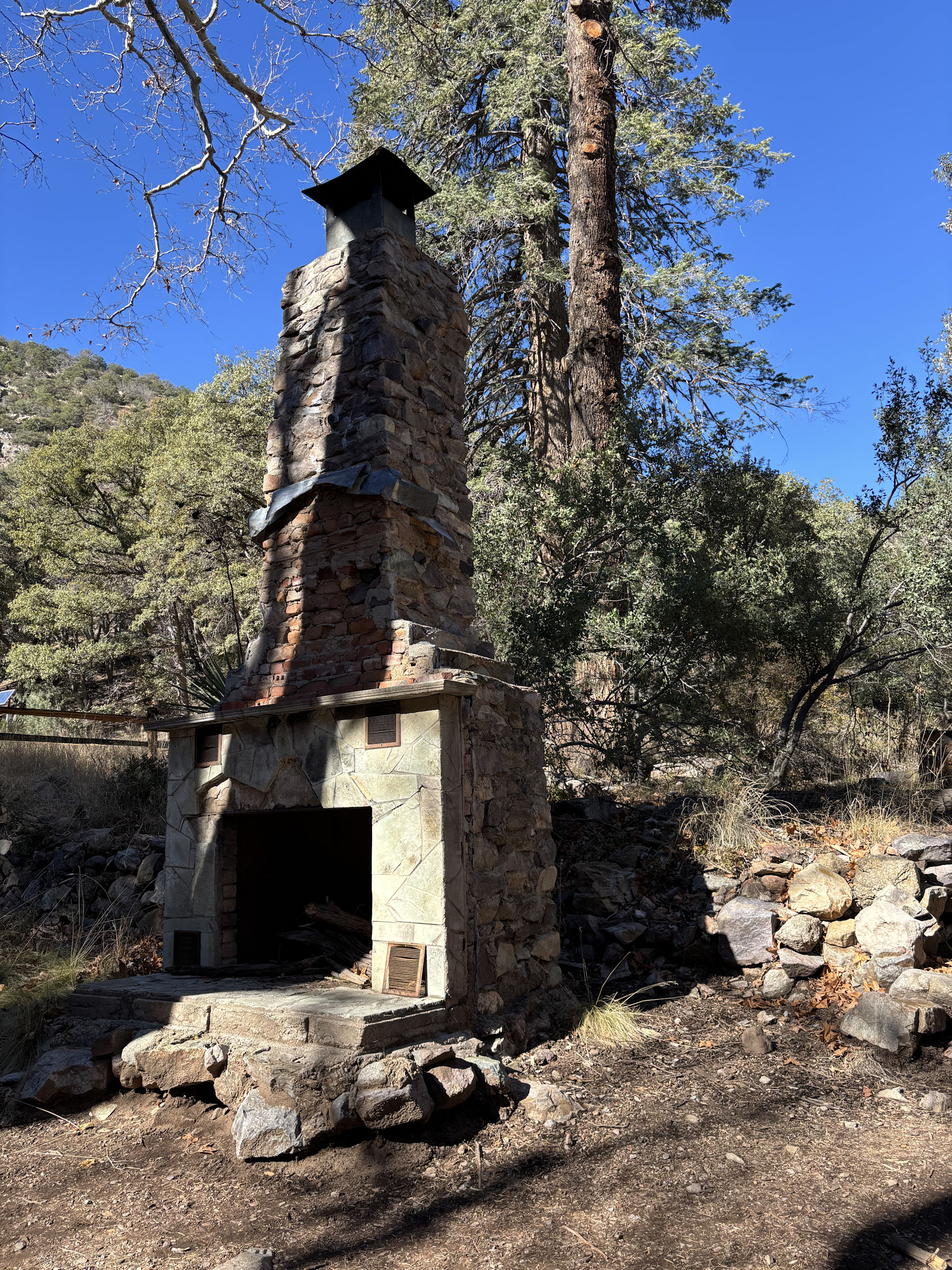
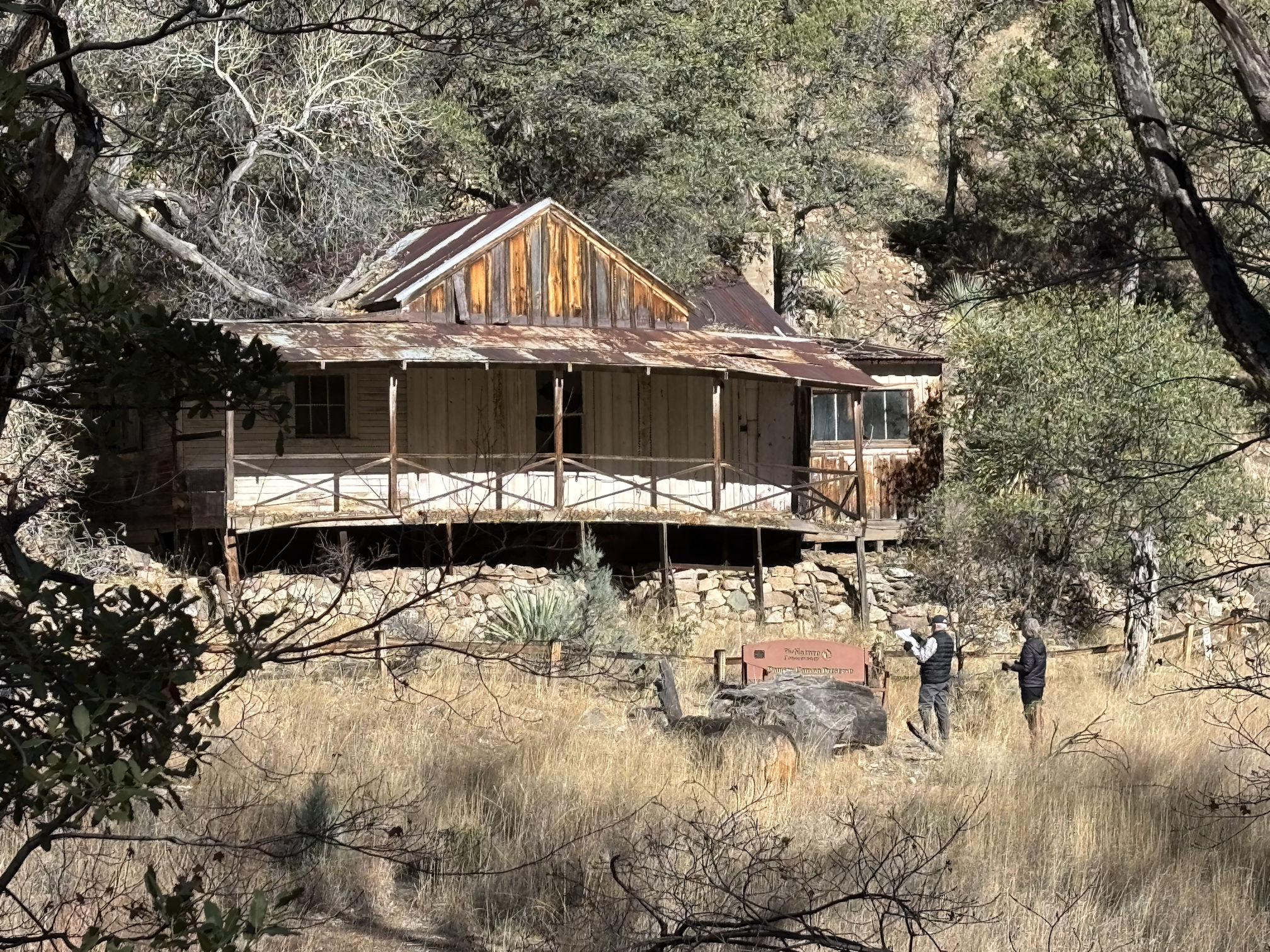
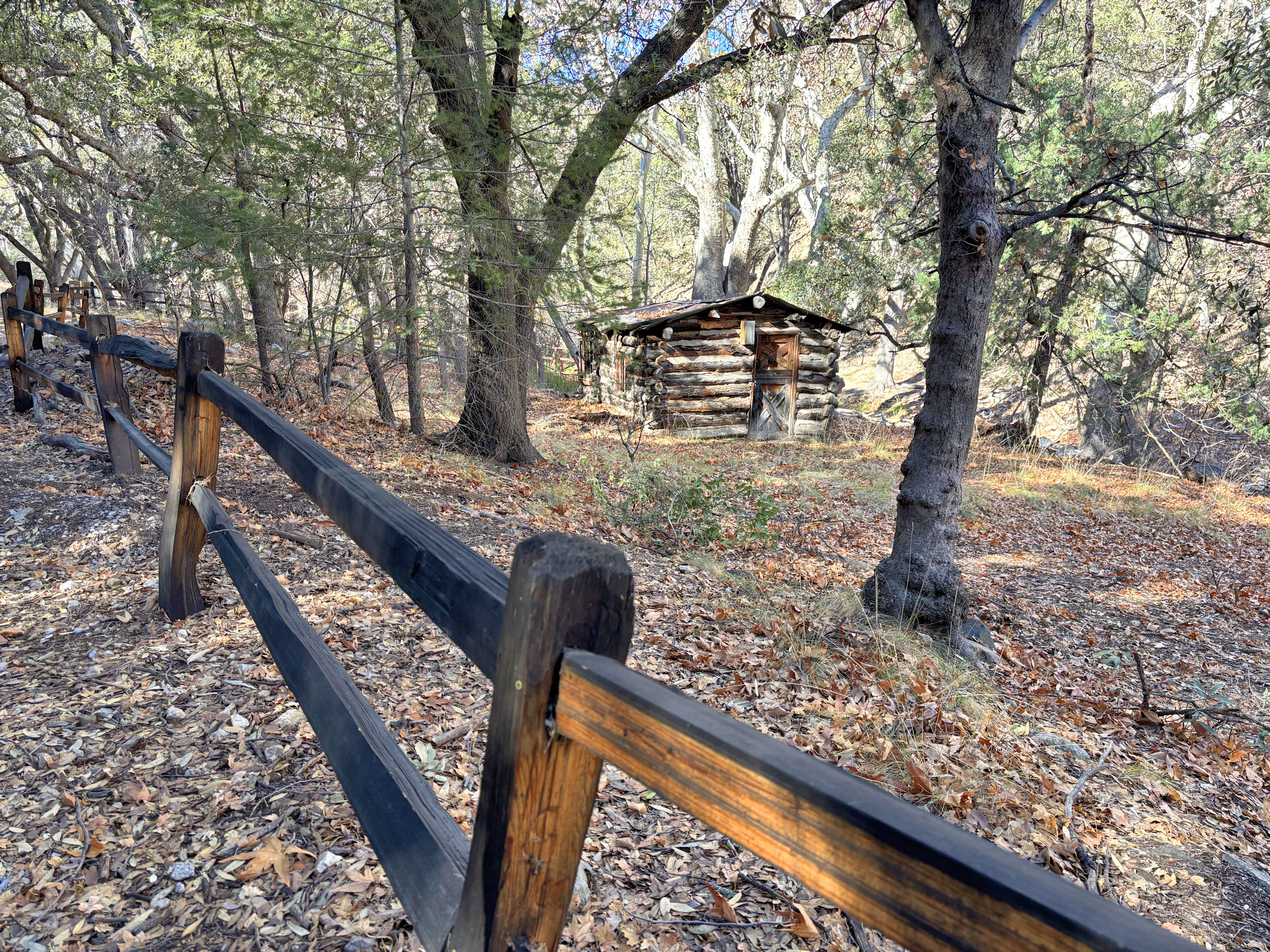
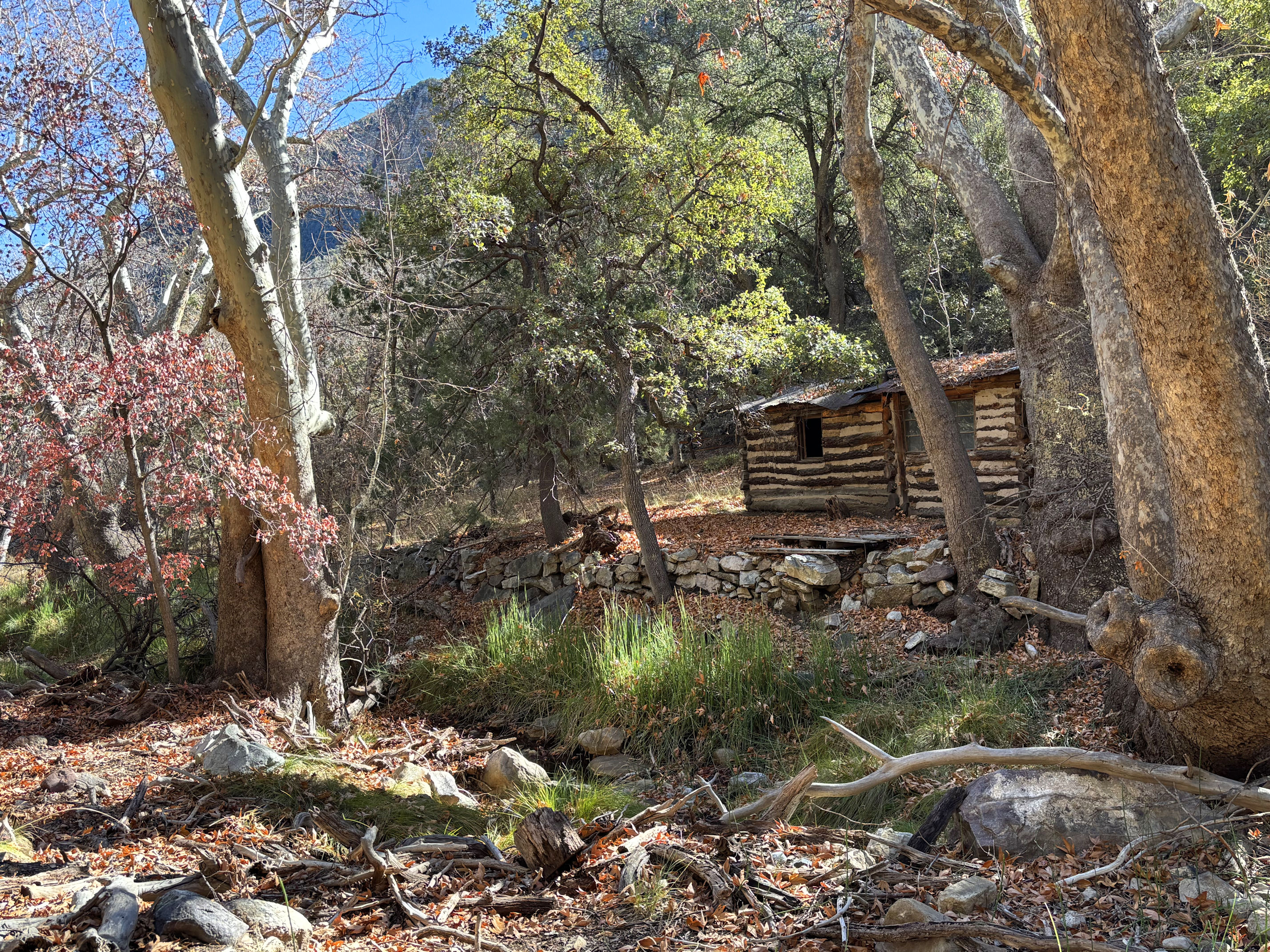
The preserve is maintained by the Nature Conservancy, which also preserves these old structures from when the valley was first settled. Arizona’s climate is very dry, and that helps keep the wood and stone strong over time.
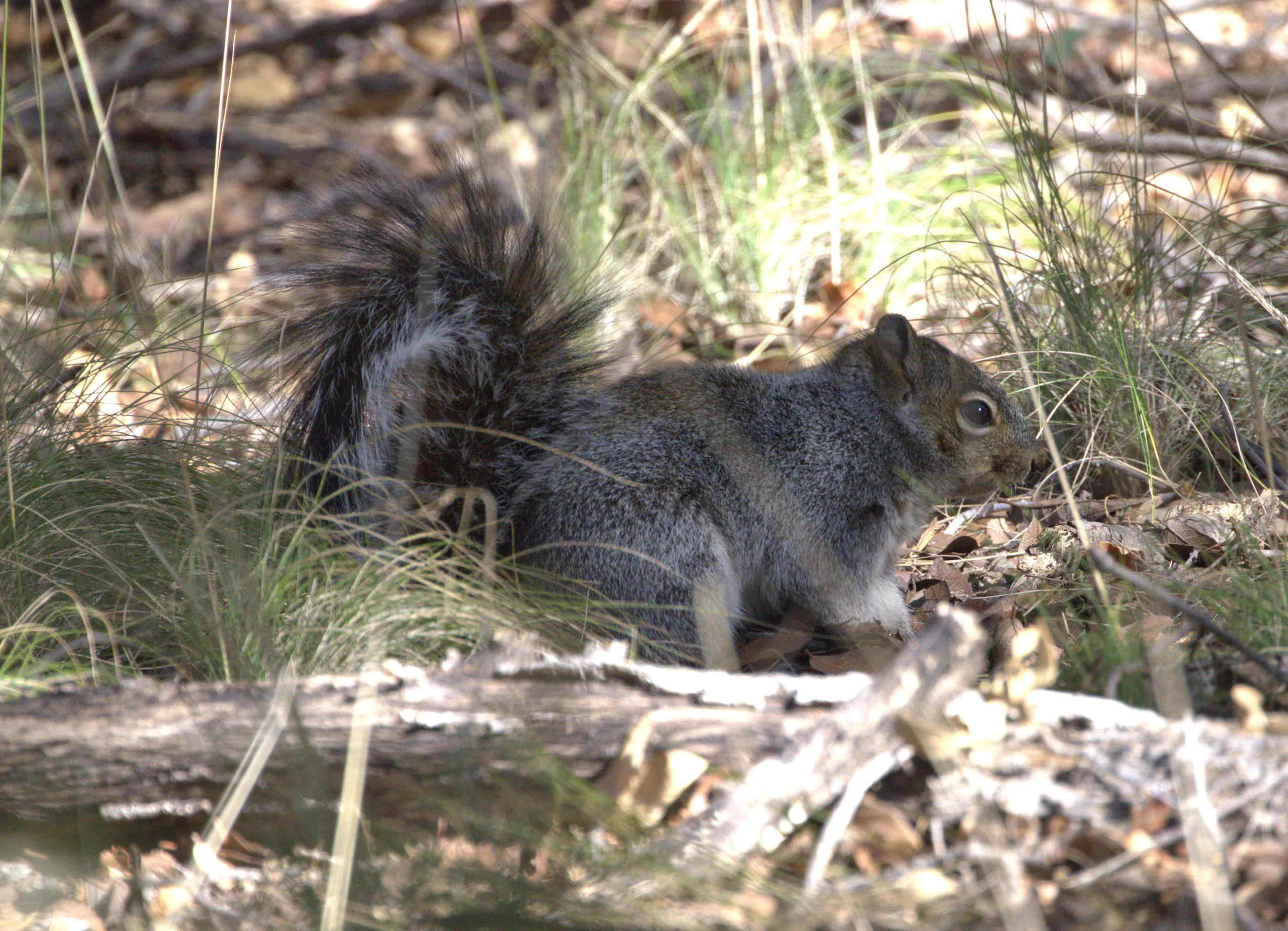
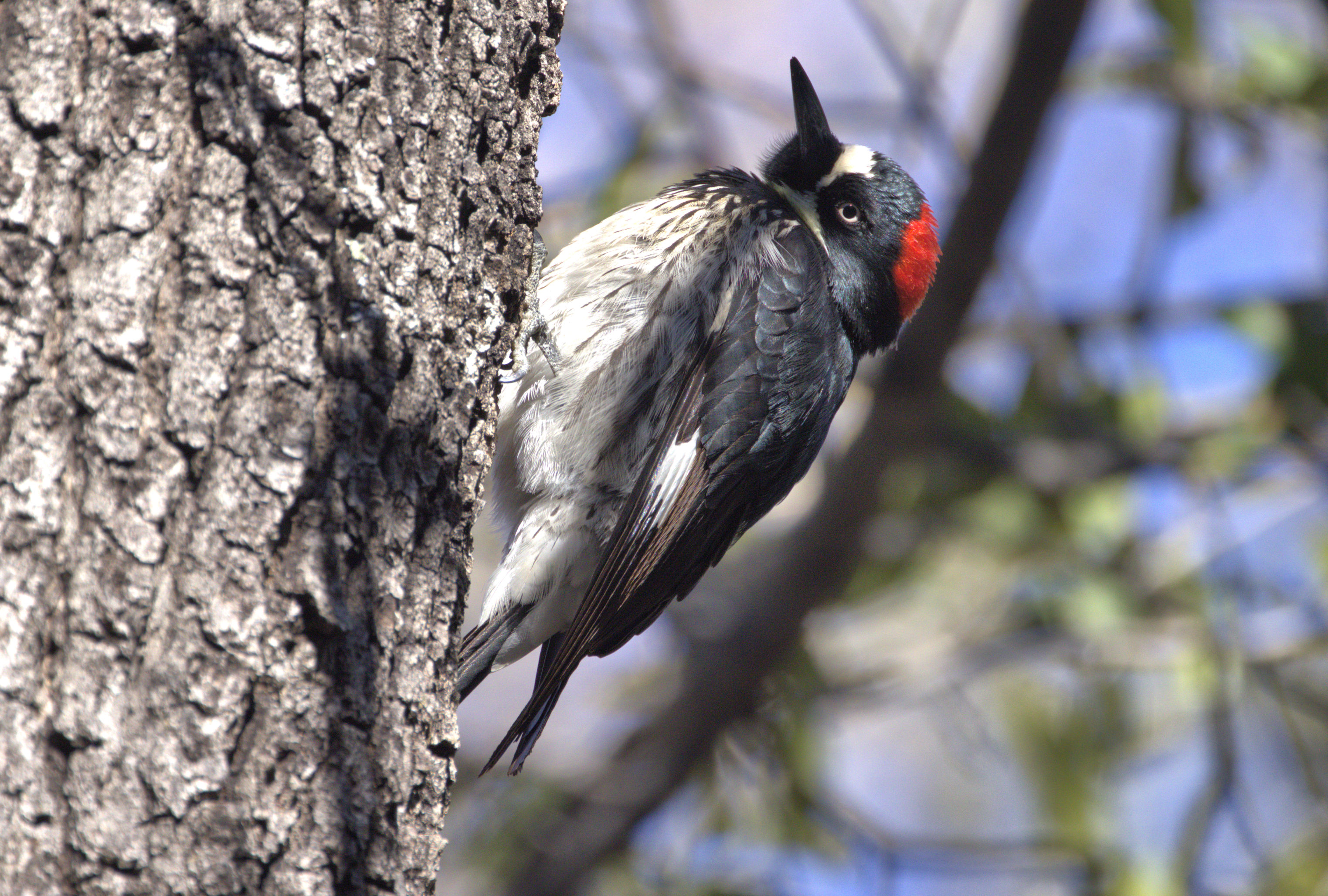
The sun rose and that, combined with our activity, warmed us. David was recovering from Achilles heel surgery, and we had to go slowly and sit now and then. I didn’t mind at all.
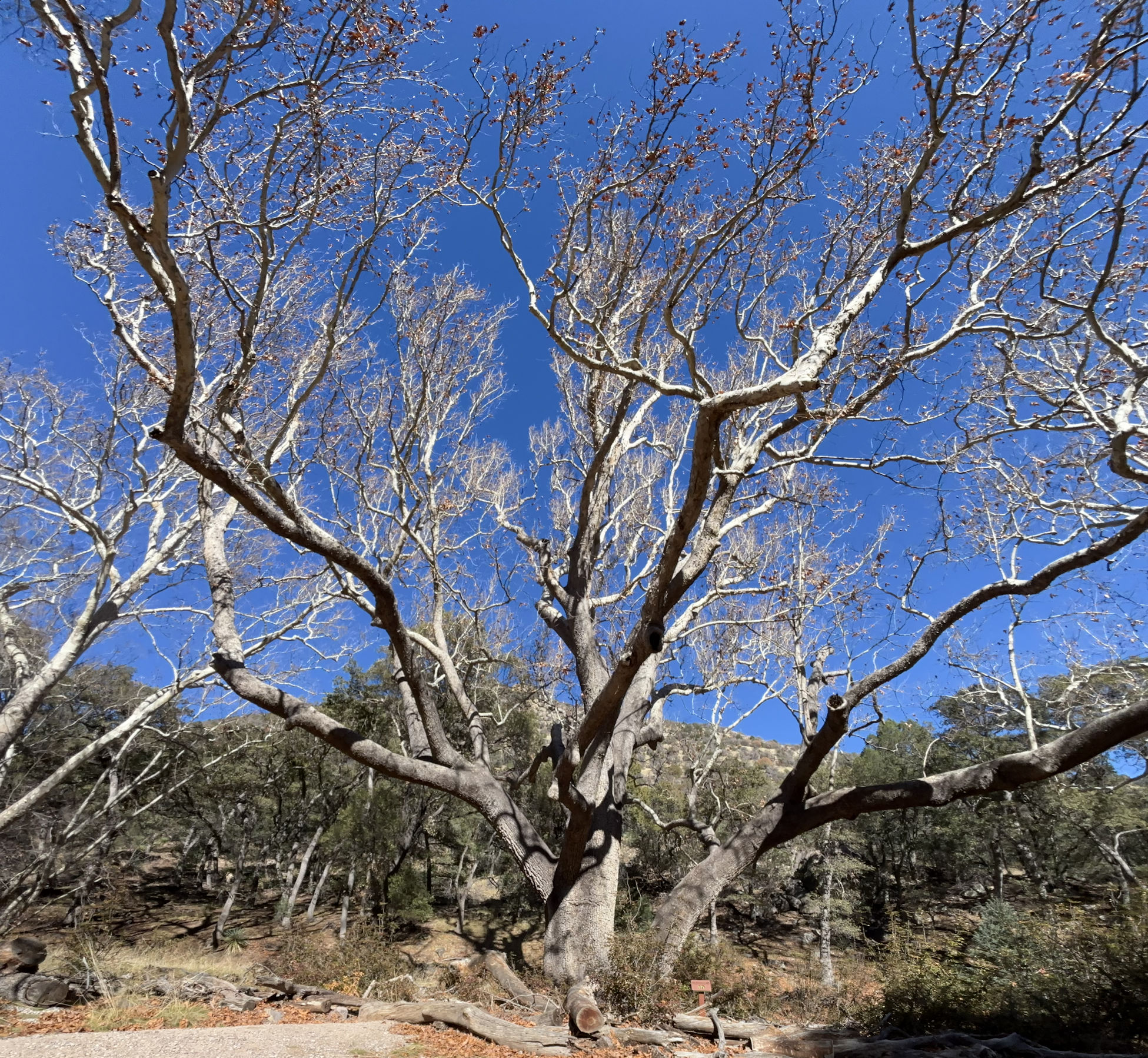
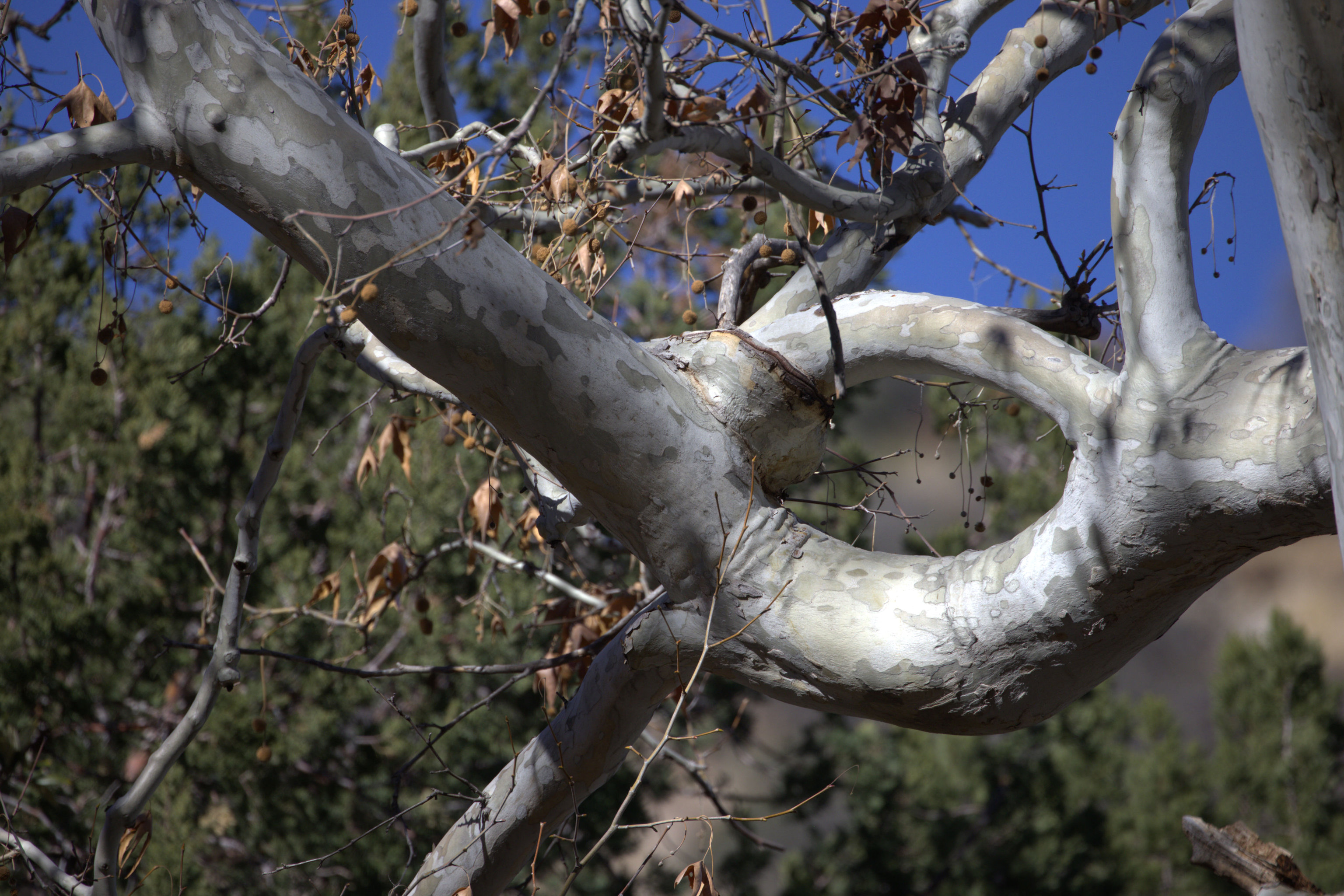
We had hoped to spot Coatimundis, a marvelous creature related to raccoons that can be spotted around here. No luck, so I guess that means I’ll have to visit Dave again sometime in the future. After we traversed the main trails, we headed back out to the bird feeders once more.
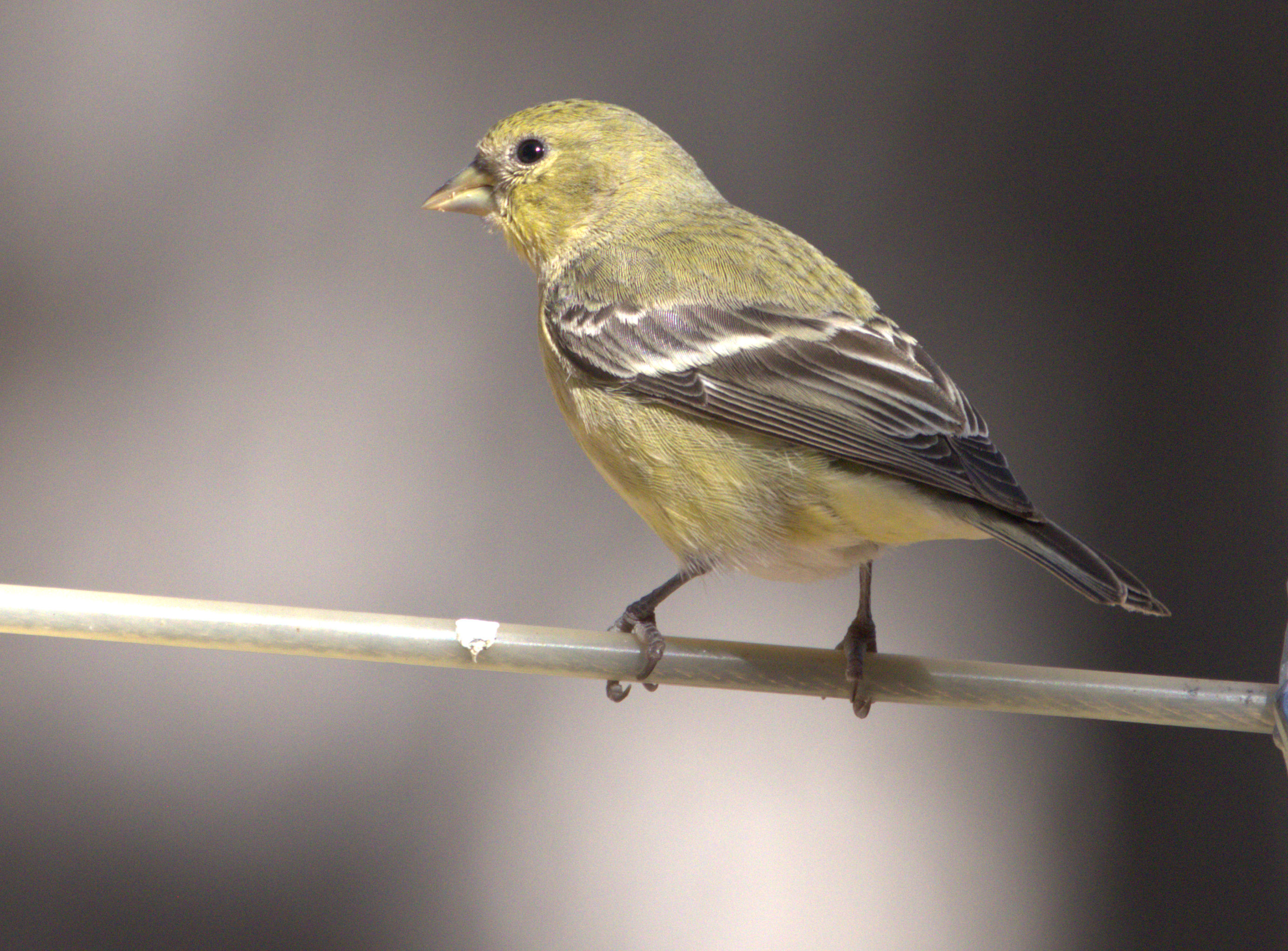
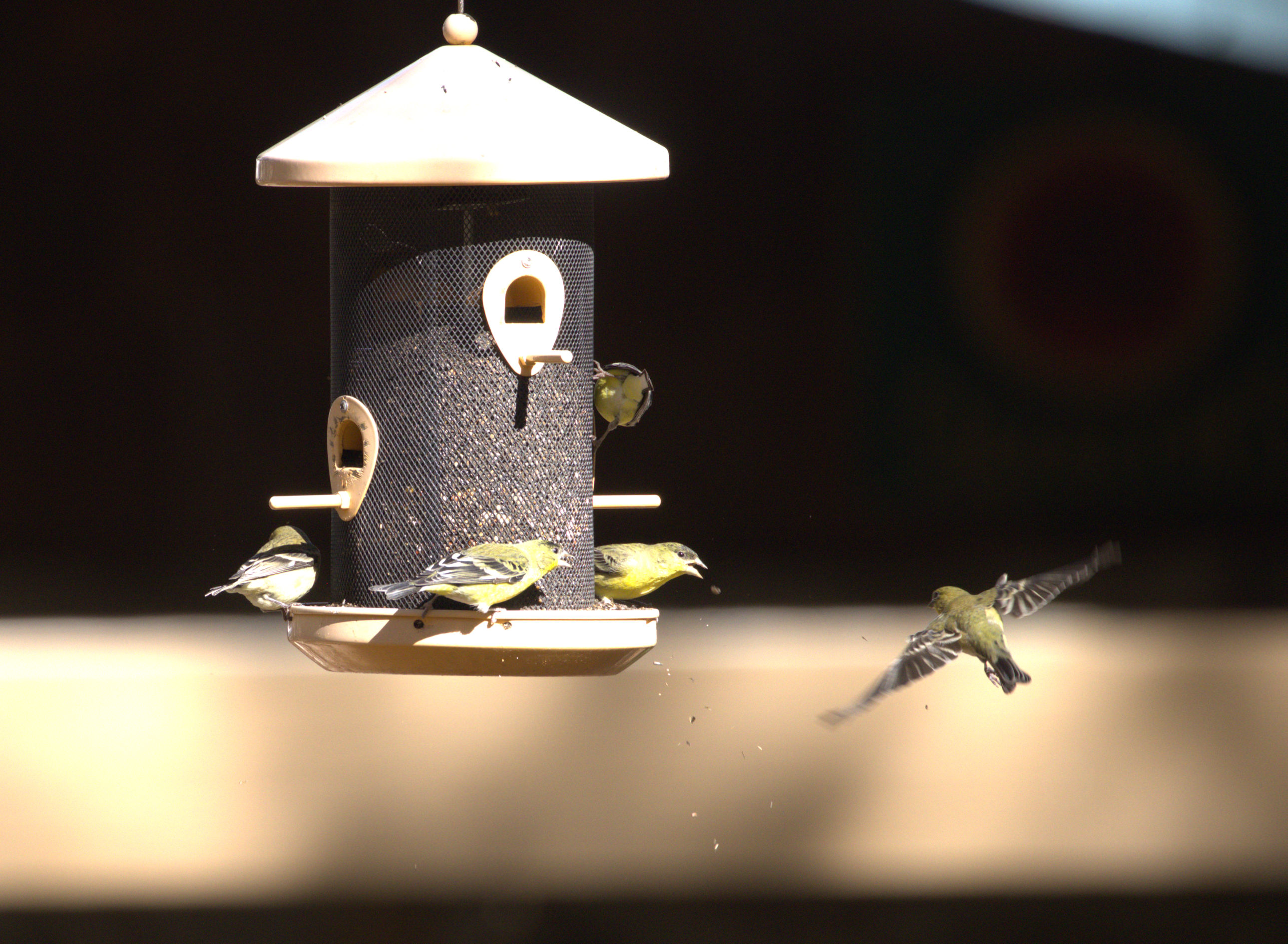
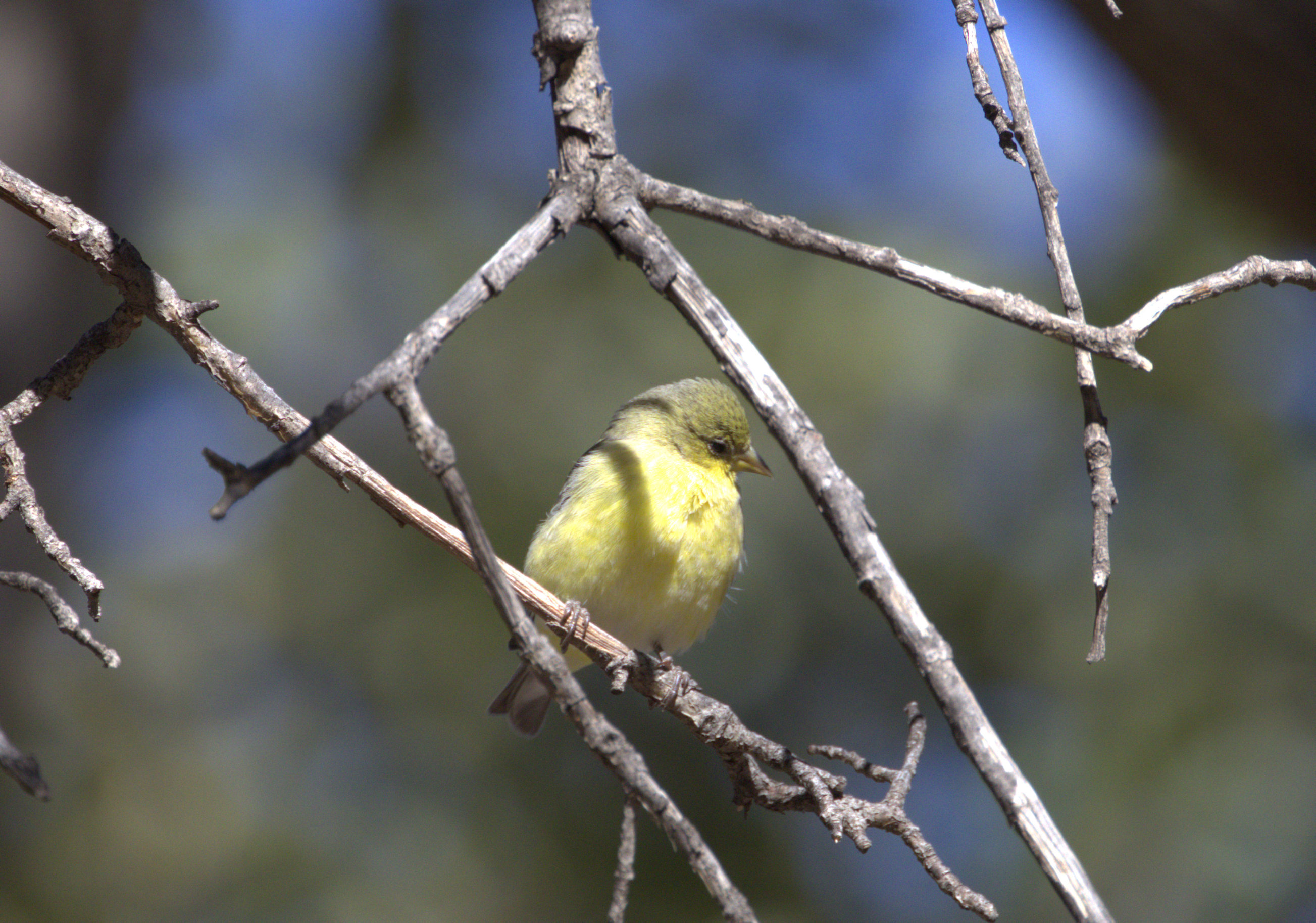
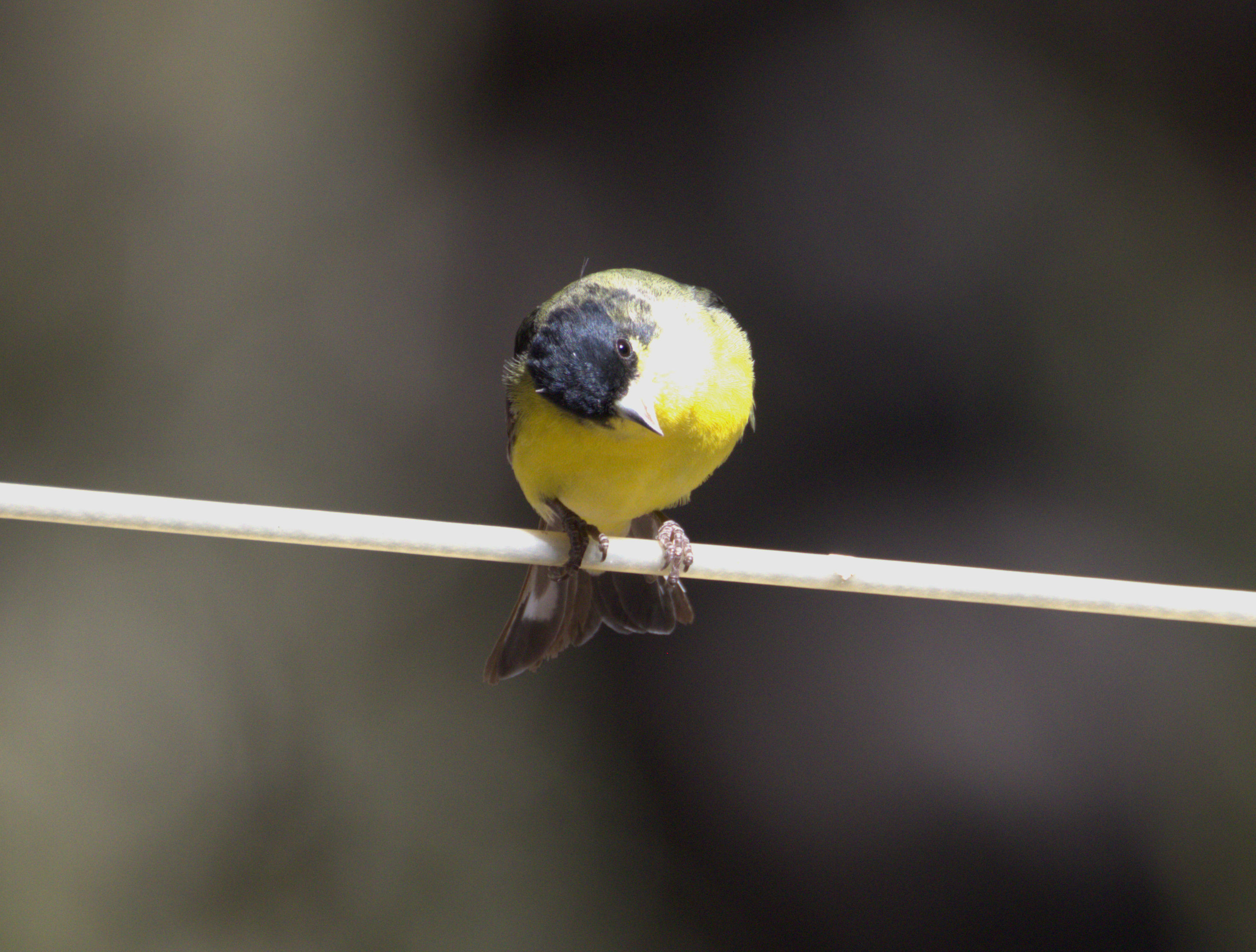
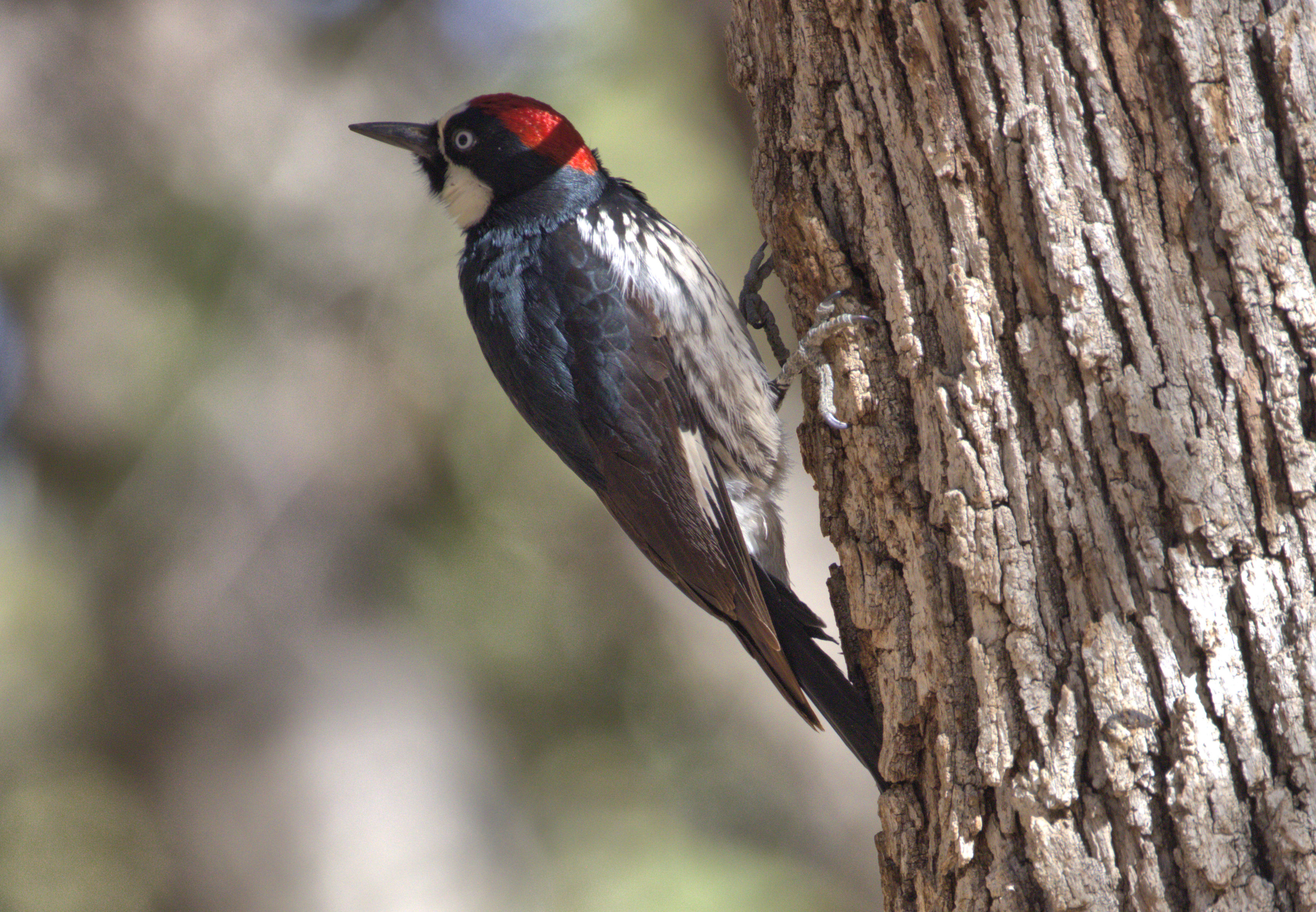
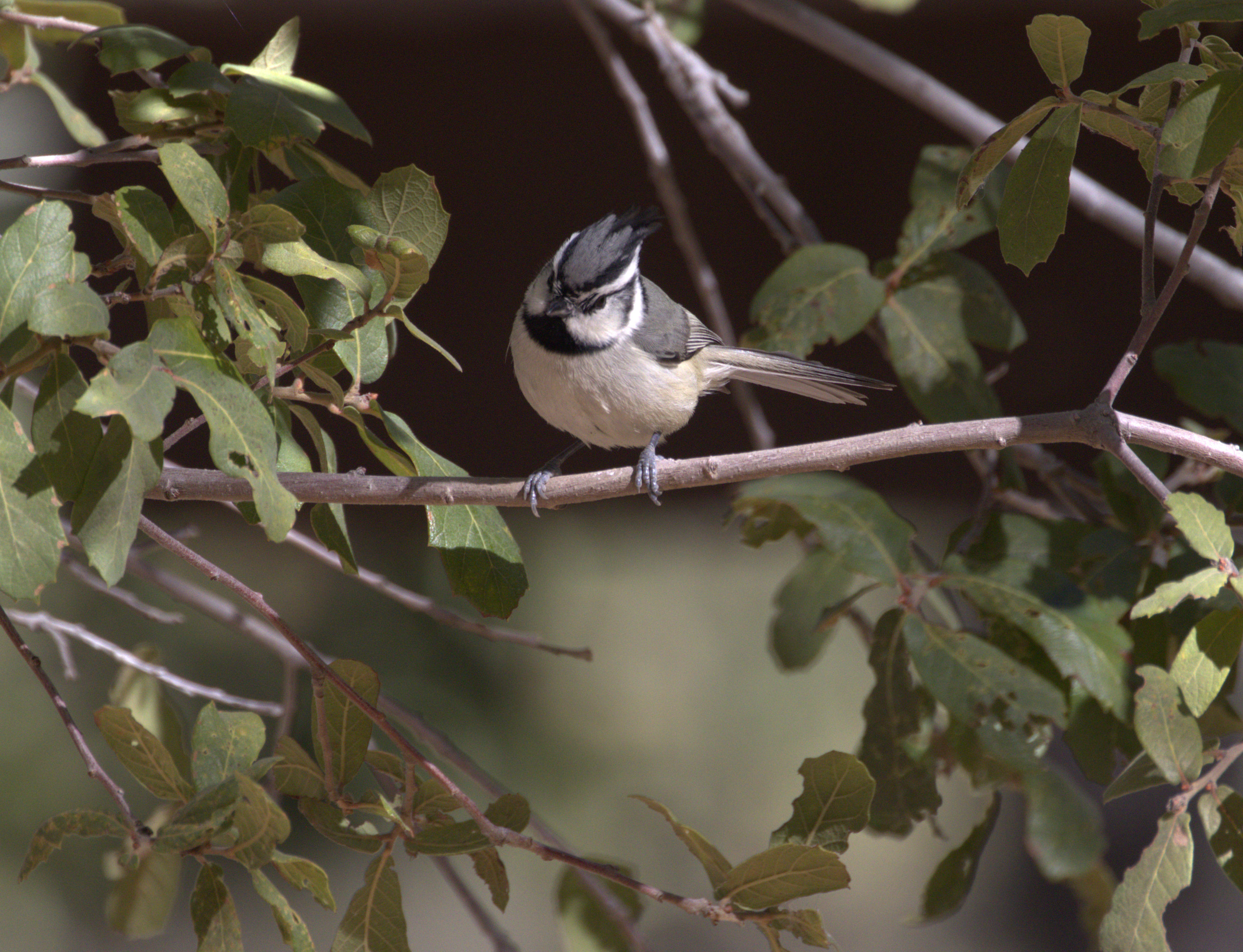
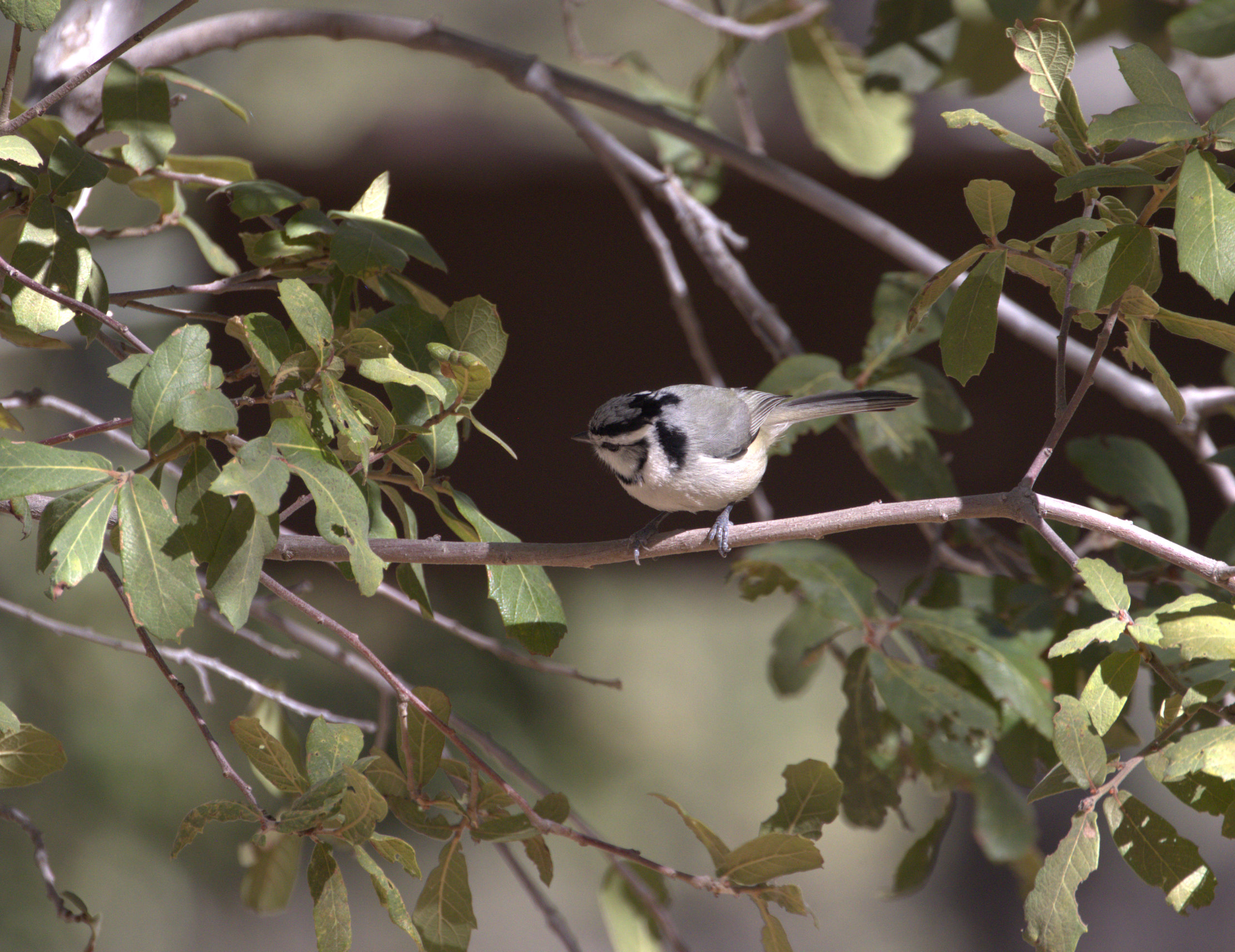
Then it was time to get out of there and go to lunch. We had worked up an appetite with all that walking in the cold morning.

 Conscious Engagement
Once again, a great post. The titmice are so unlike the species in our area, but the turkeys are the same! Around my area, they were reintroduced after having been hunted out. The reintroduction has been very successful, and there are limited hunting seasons. I don’t think too many get taken by hunters around here, though. They seem to have an uncanny ability to know when hunting season is and head into town, preferring to march proudly around the local elementary school. It’s funny to watch.
That is so funny about the turkeys. I hope the children get to enjoy them too. Is turkey hunting season when school is in session? Those titmice are unlike any I have seen as well.
The Turkeys must realize something. I’ve seen it several times.
You gained the full effect of David’s camera, especially when doing your turkey whispering. (Google says titmice)
Titmice!! Thank you! Turkey whispering made me laugh.
What a wonderful trip! and how fun to use a new camera 🙂 I am fortunate to have wild turkeys wander through my yard. Those guys have the best peripheral vision and are off like a shot even if they catch my movement inside the house. Thanks for the history of the names of the Hummingbirds!
It must be a great sight to see them in your yard. I would love that. We are lucky here in the city to be near a tiny creek that leads to a lake. Everything is surrounded by houses, but the animals still need to move around. That means we glimpse occasional surprises from our property: deer, rabbits, bald eagles. Our neighbor says that coyotes walk the streets nearly every night, but we have not seen or heard them. I was happy to learn about Anna’s hummingbirds, because I have them at my feeder every day.