
We left Bath for a full day in the Cotswolds. I drove over an hour to reach the first village, but I made a couple of stops on the way to take photos, because it was just so amazingly beautiful.


Bibury was described by the poet William Morris as “The most beautiful village in England,” which is different than our previous stop at the “prettiest village in England.” This is another village so old that it is mentioned in the Domesday Book (1086). We somehow found parking in the center of the village, and began walking along the River Coln.


The town of Bibury is perhaps most famous for the row of old weaver’s cottages on Arlington Row believed to have been built in 1380 as a monastic wool store. This was then converted into a row of weavers’ cottages in the 17th century. It is possibly the most photographed spot in all of England, and another shooting location for the movie Stardust. There were so many people heading across the river toward the row that Margaret and I skipped the bridge and just kept walking.


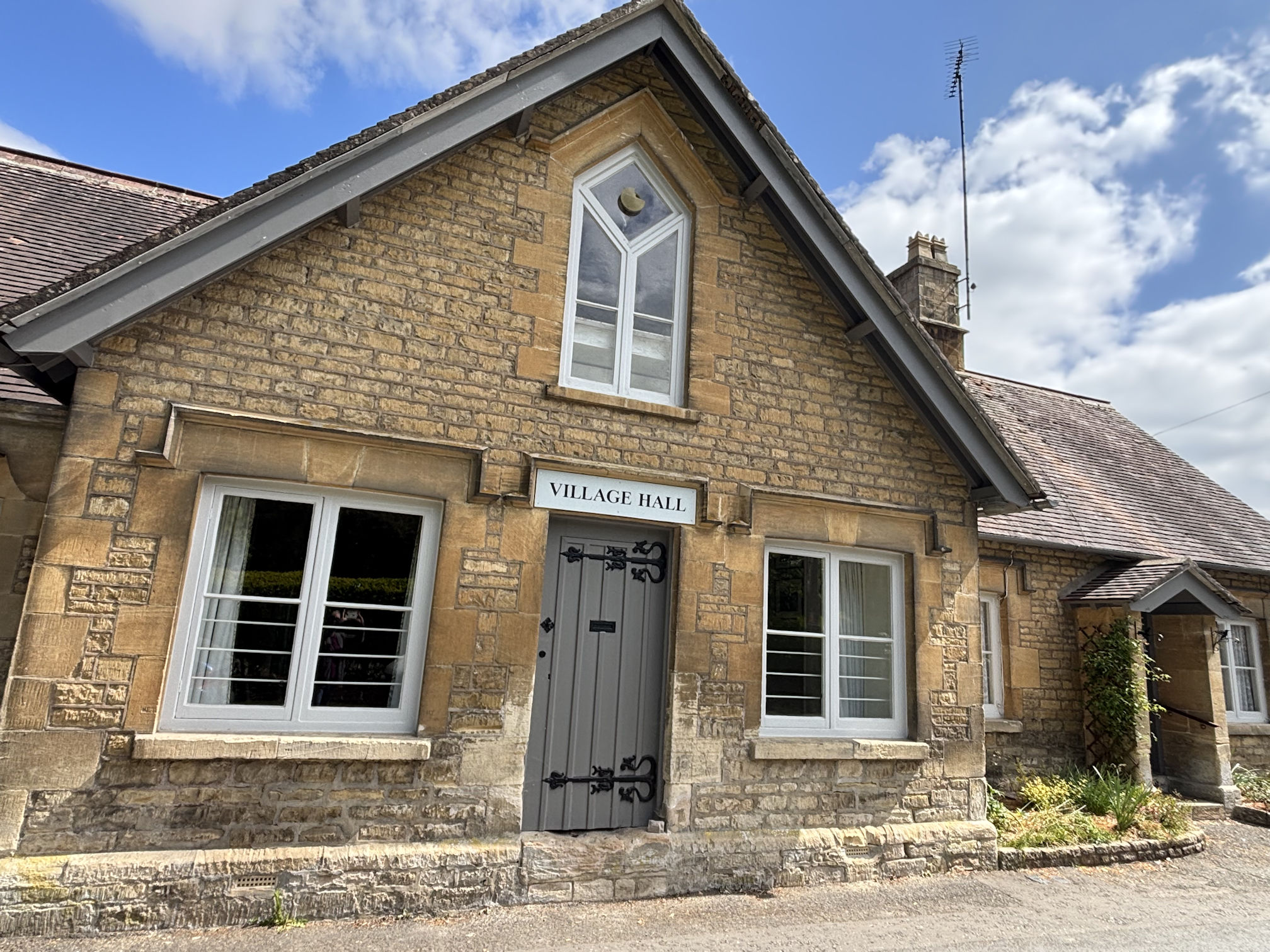
Another highlight of Bibury is St Mary’s Church built in the middle to late 11th century with further work in subsequent centuries. We were lucky enough to accidentally choose a road that led us to the oldest part of the village, where we saw the church and its gorgeous Norman arches, and the little cemetery beside it. There were also hardly any tourists in this part of town.


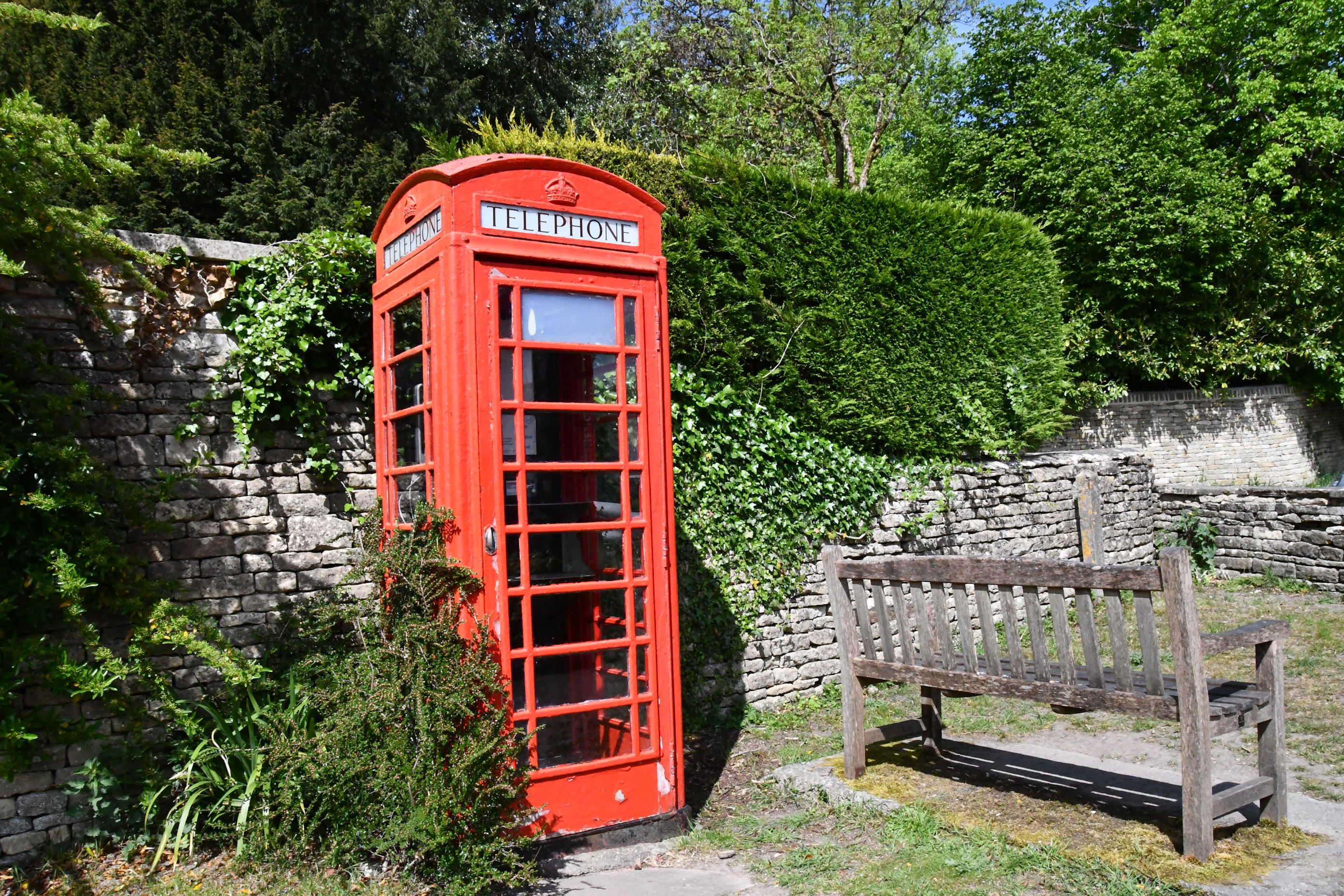
We walked back toward the center of the village and took the chance of entering the stream of people heading toward Arlington Row.
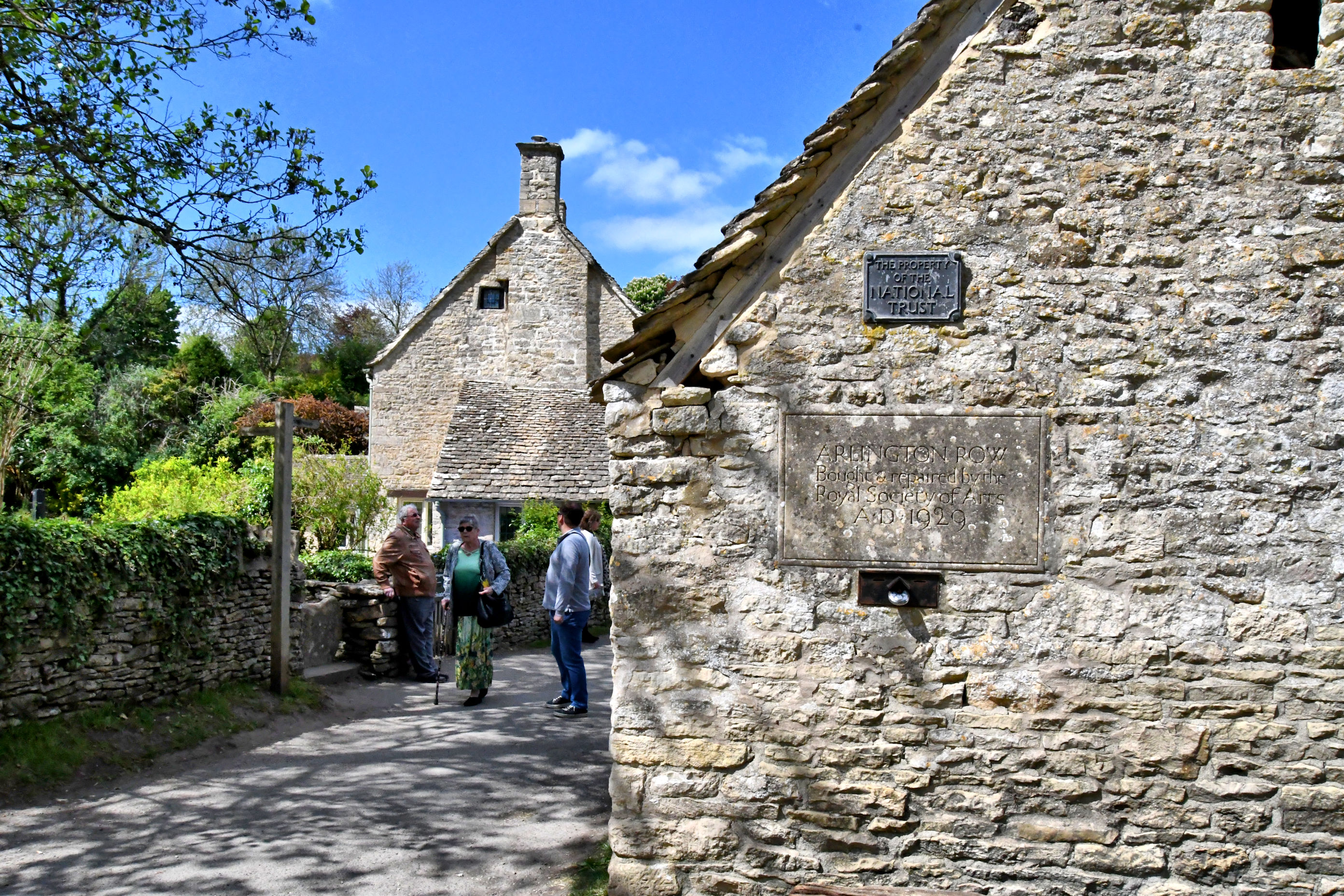
I sort of waited for the people to thin out so I could take a photograph without them. I finally gave up.
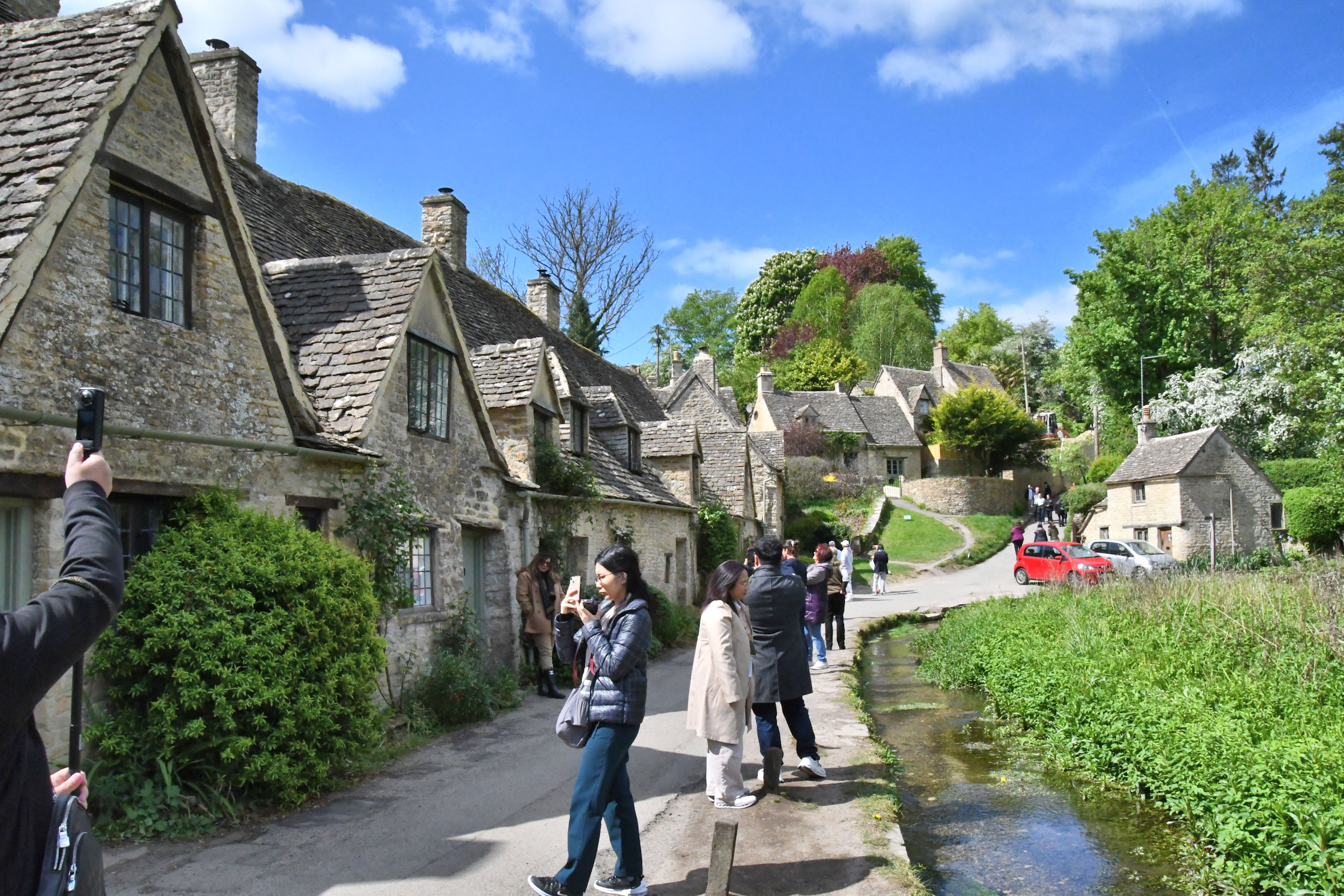
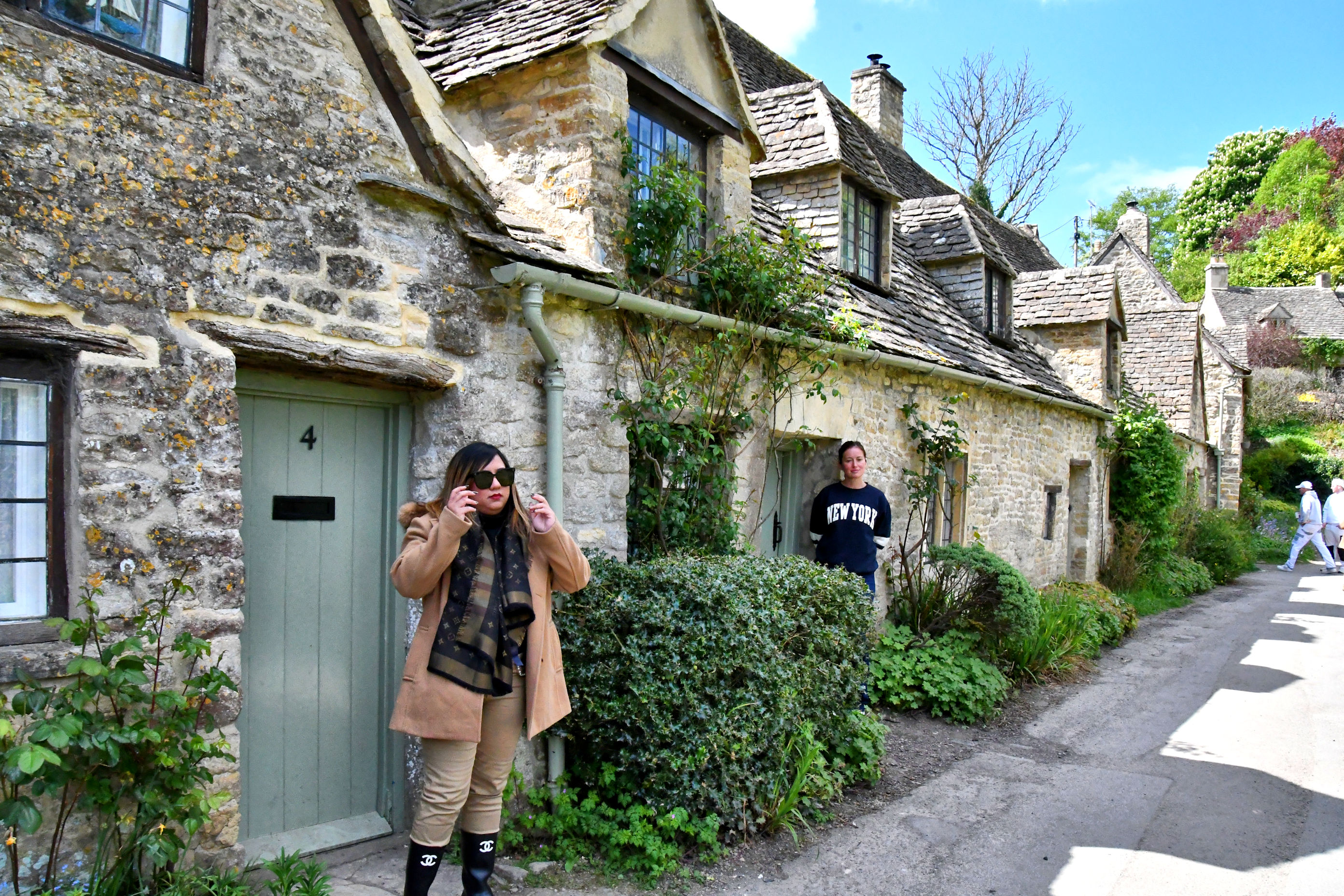
These are now all owned by the National Trust, except for numbers 1, and 9, which are used as holiday cottages.
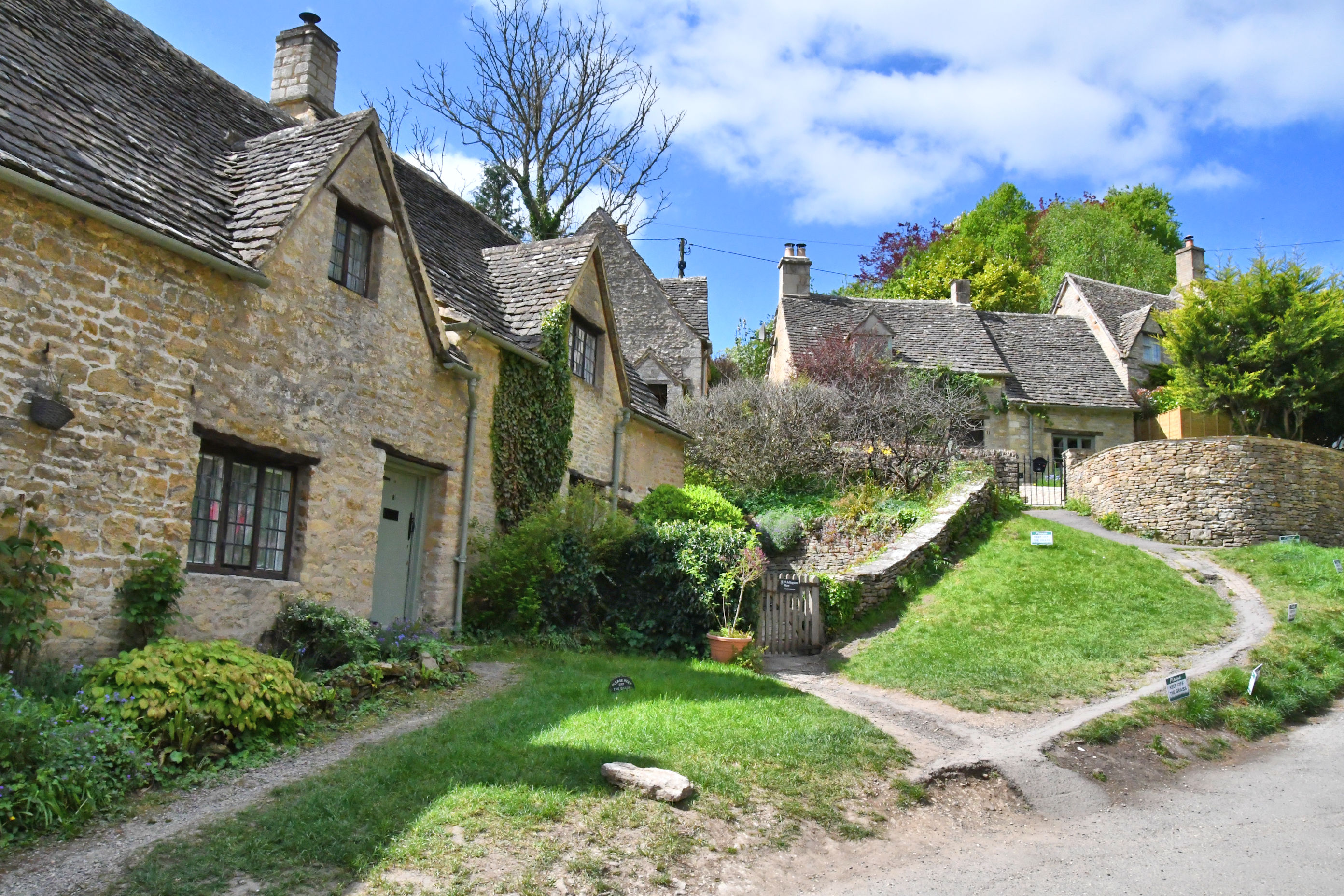

Back in the 17th century after the wool was treated and washed, it was hung on racks in a meadow in front of the cottages, and that is how it got the name Rack Island.


We climbed back into the car, spirits high, and continued our drive north, visiting more famous Cotswolds villages, which I will highlight in a future post.

 Conscious Engagement
That is a lovely place Crystal. great photos. I can’t imagine living somewhere that people stand in front of your house and take photos all the time
I was thinking of that!! So annoying!! How nice if you’re an early morning person and can go out and enjoy the street in front of your house at 6 am before the tourists show up.
We watch a lot of murder mysteries on BritBox and the BBC, and many of them are set in places just as picturesque as Bibury. I’m guessing it’s really not that murderous there? 😉
I confess I did not come across any murders! So you might be right. However…since it was only my fourth day of driving in a backwards car on the other side of the road…I kept expecting the next murder to be one that I had caused. (I didn’t kill anybody though – yay!!)
A typically delightful tour. I like the way you retain the original word Columbine for what we now call aquilegia
I learned Columbine when I was a child, and have not learned anything else. But possibly, since the word reminds me of happy times with my mother, I have no heart to learn another name. 🙂 Thank you for bringing that memory back for me.
XX
Just lovely. That countryside is very similar to the countryside in Normandy, right across the Channel where we had our summer house when I was a kid. Same trees, same green.
Oh so interesting, but logical. Geographically, the places are close to each other.
I understand that 15,000 years ago, there was no English Channel separating England from the continent.
Oh! Well that makes even more sense then. And, of course…land shifts all the time. Coming from the Rim of Fire, I should remember this more often.