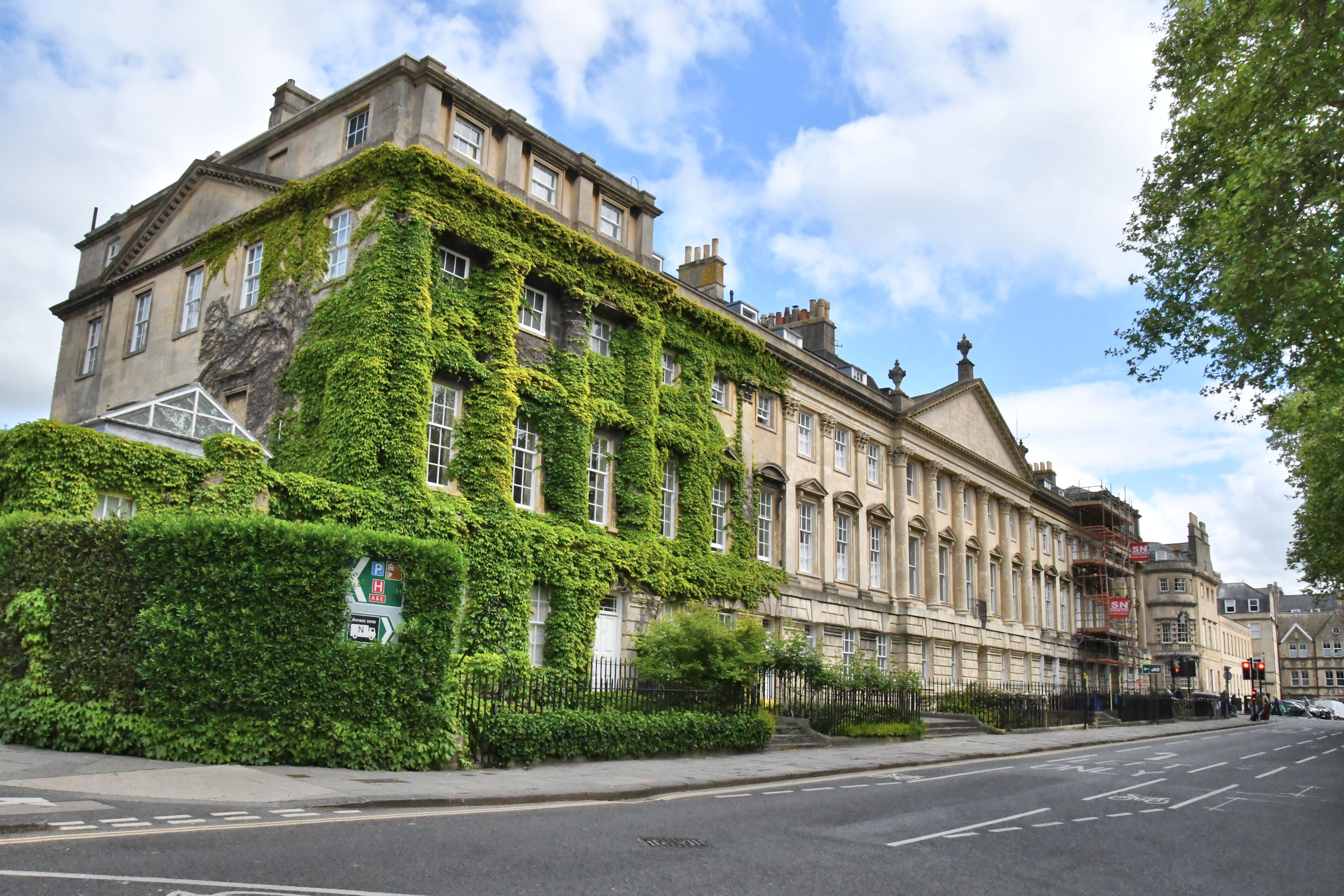
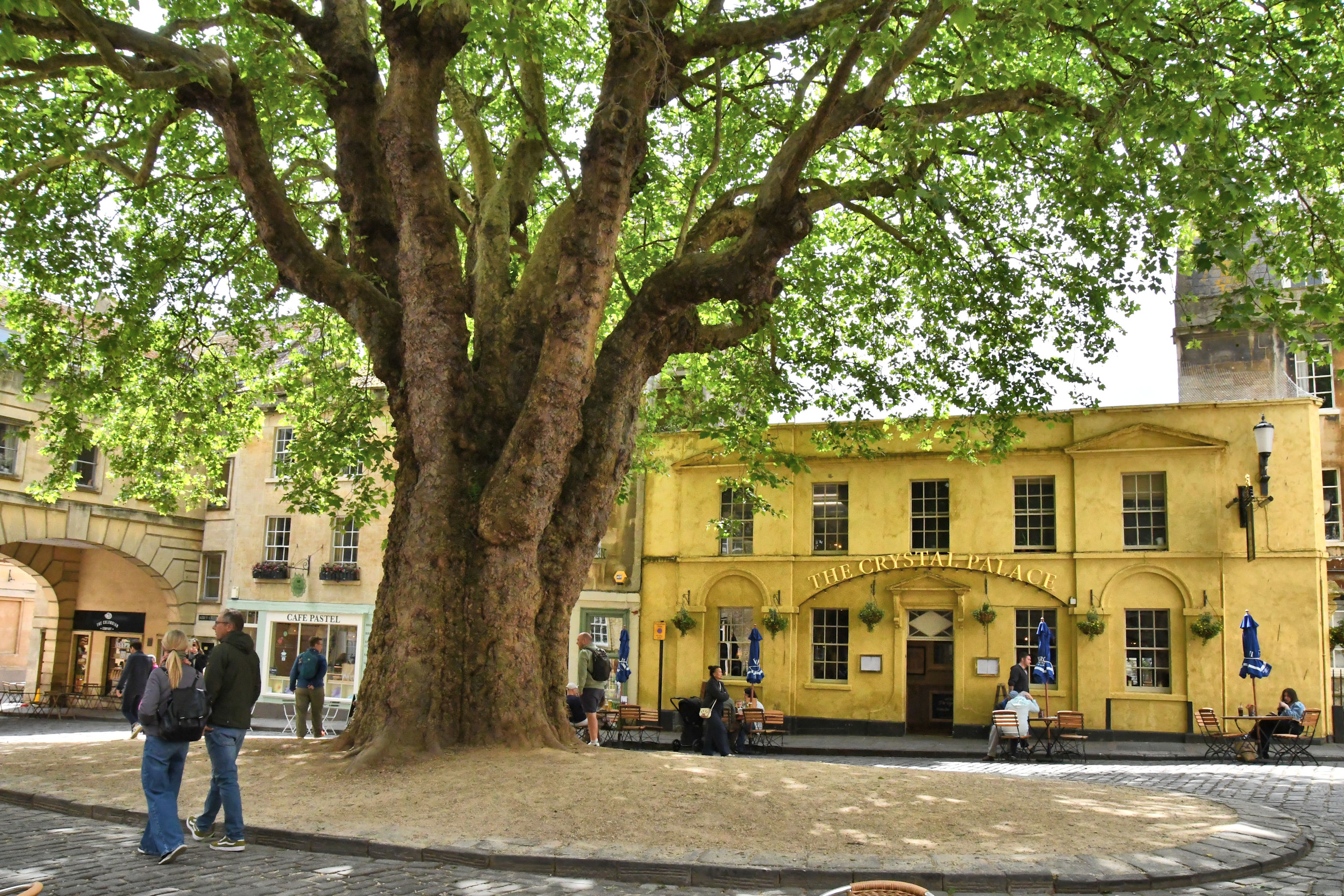
The city of Bath in Somerset, England has much for visitors to see and learn about. It is famous for the Roman baths, of course, and I will talk about that in my next post. In this post, I want to show the sights from the city streets. We had come from rural areas and quaint villages, and it was a new adventure for our senses to explore a modern, bustling city.
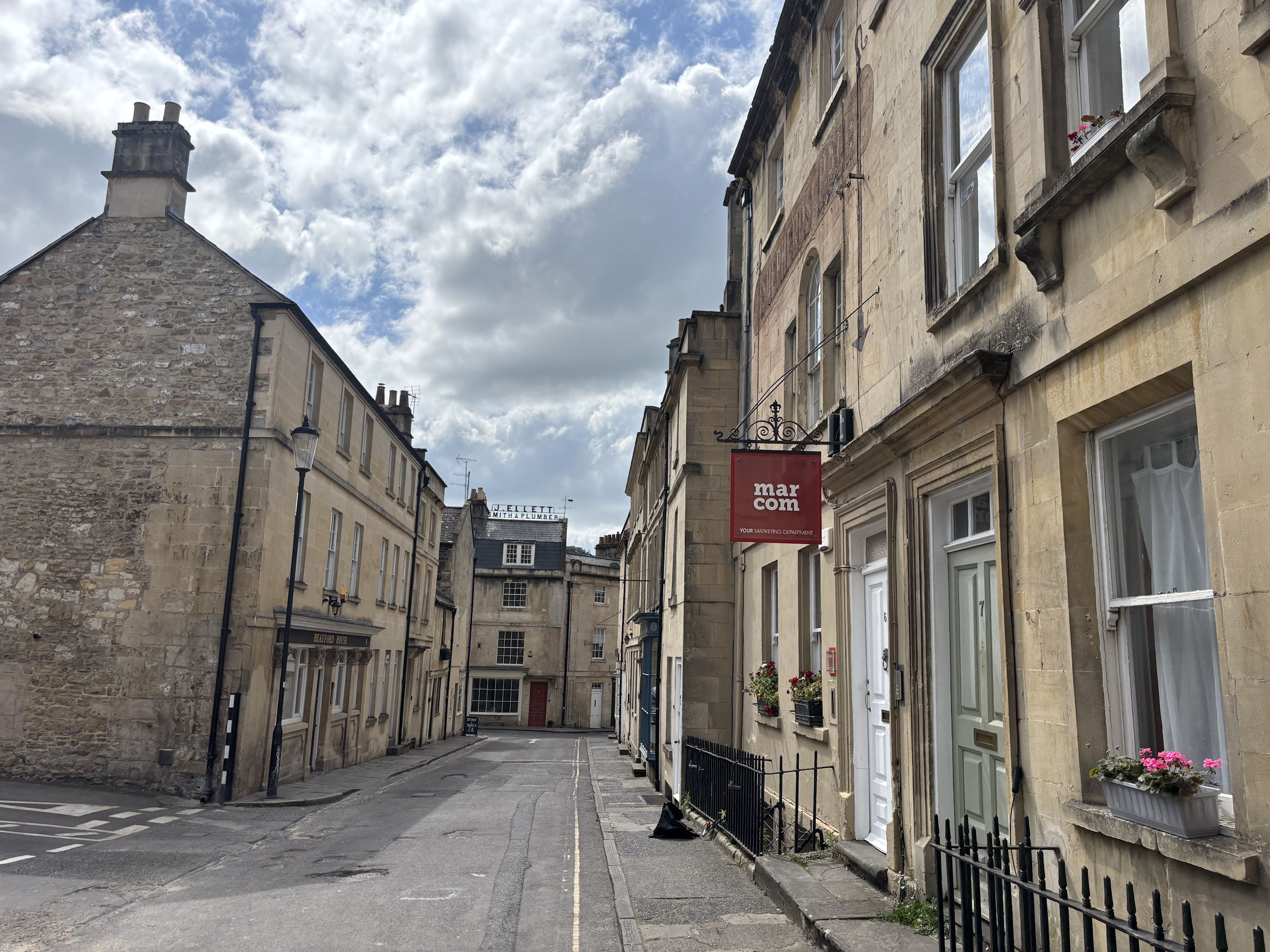
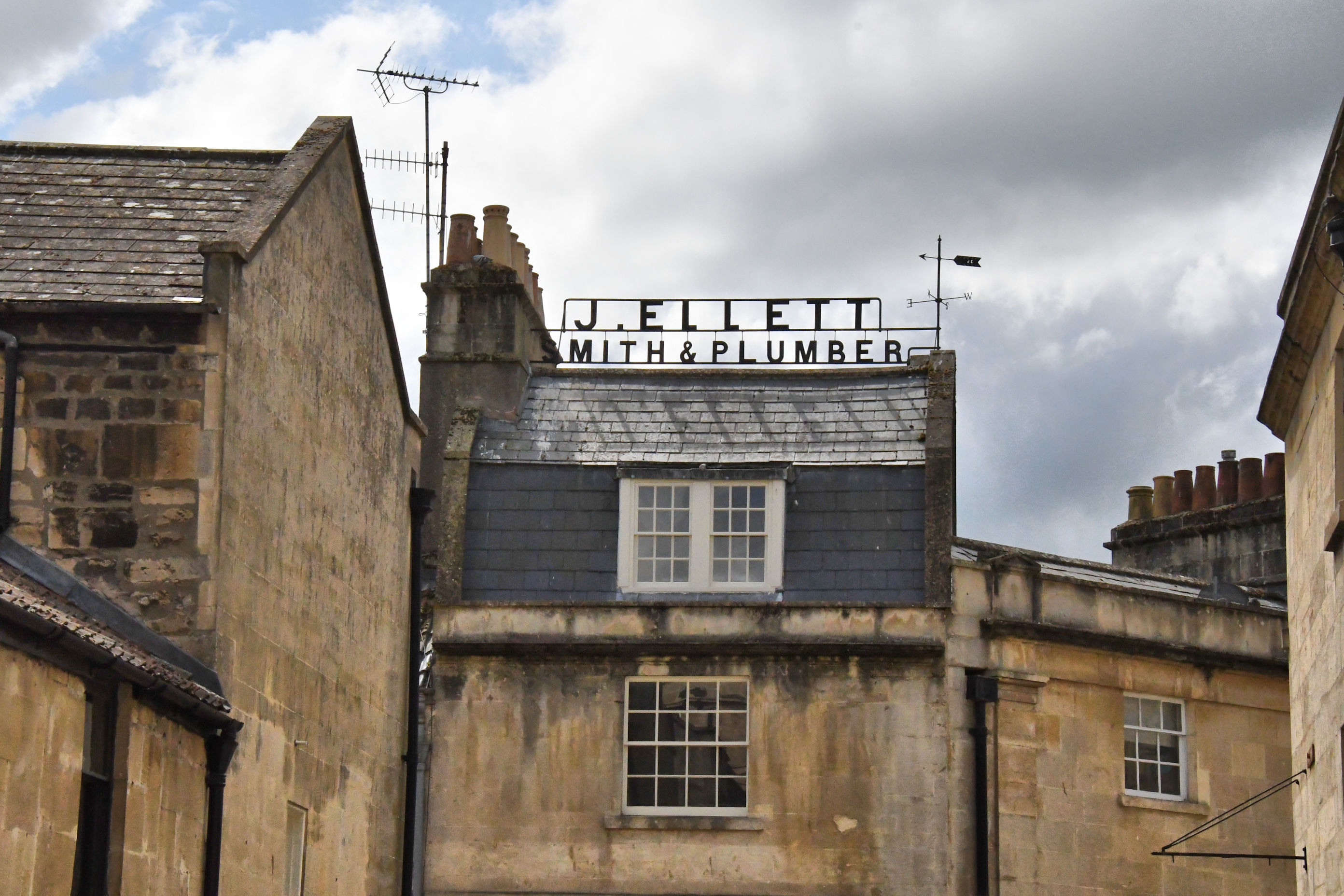
Driving into Bath was yet another adventure. The city streets were often one way, and not straight, and congested, and nerve-wracking. Margaret and I must have been so funny as we acted out our stress while looking for a place to park. But we found a good parking lot very soon, and paid for 24 hours, and walked everywhere from then on. Bath is a good city to walk in.
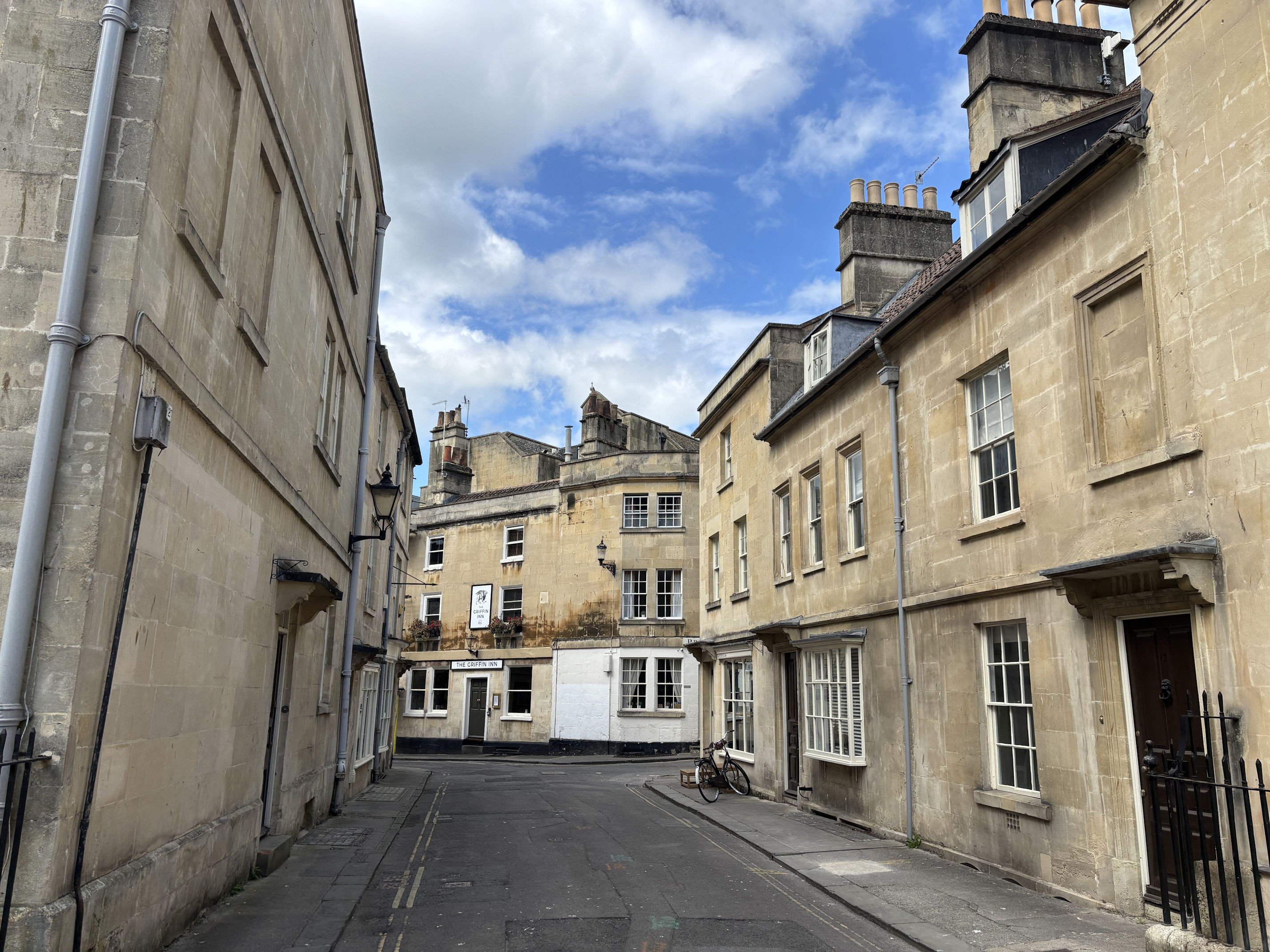

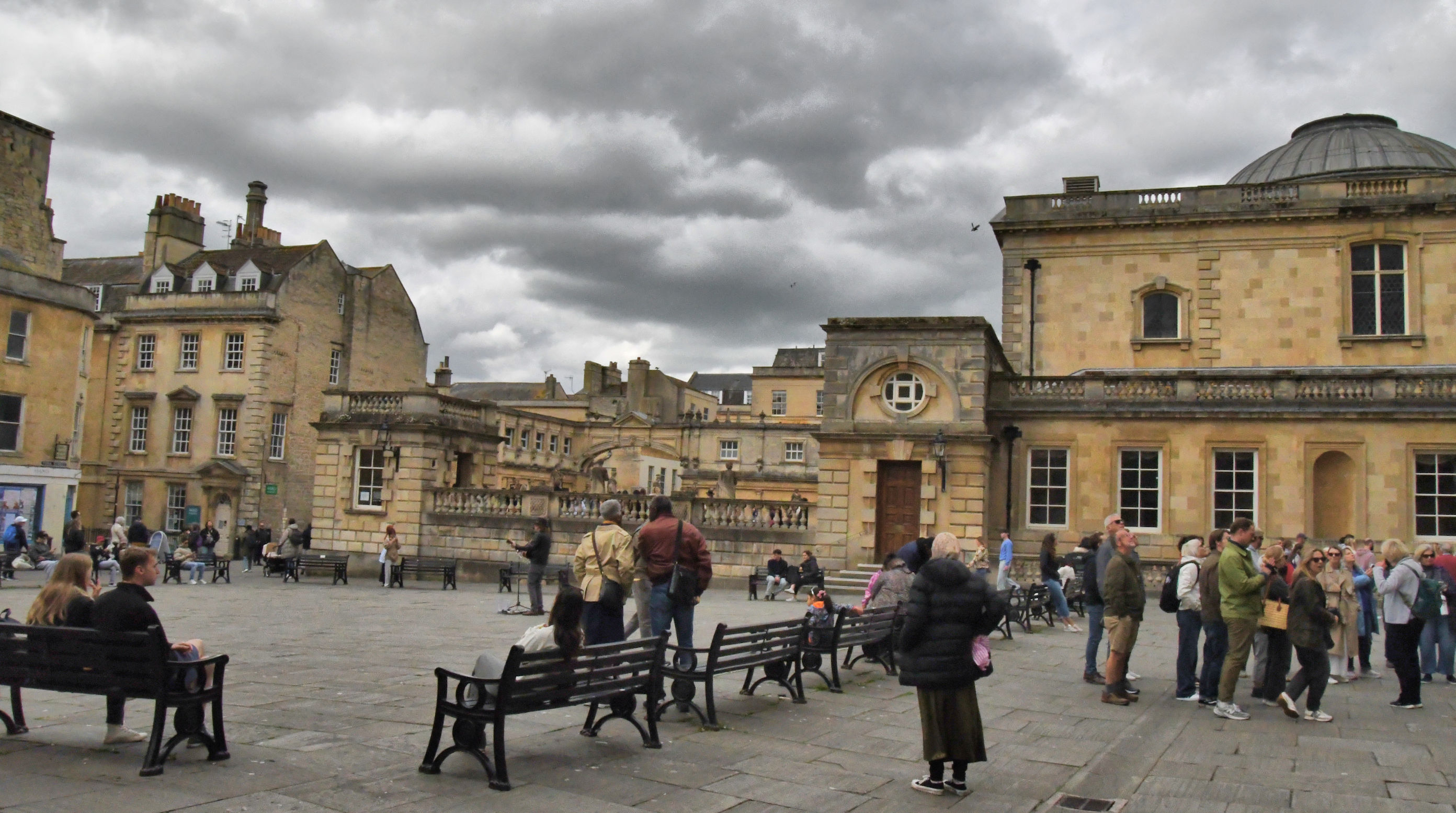
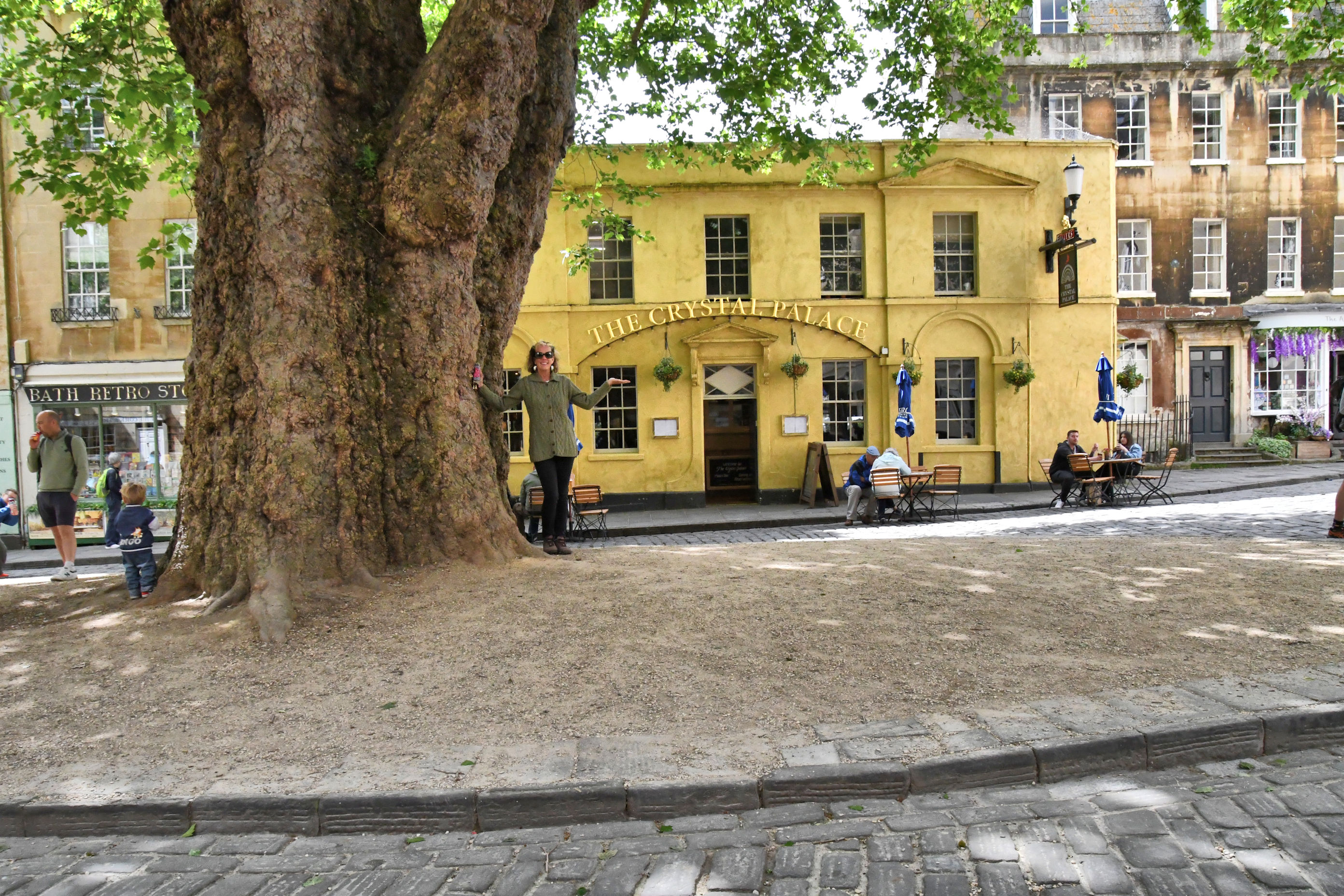
Our car park was ony a few minutes’ walk from our hotel, where we were easily able to check in at 11:00 am. We left our bags and went directly back into the streets again to wander around and get our bearings before it was time to get in line for the Roman Baths Tour.

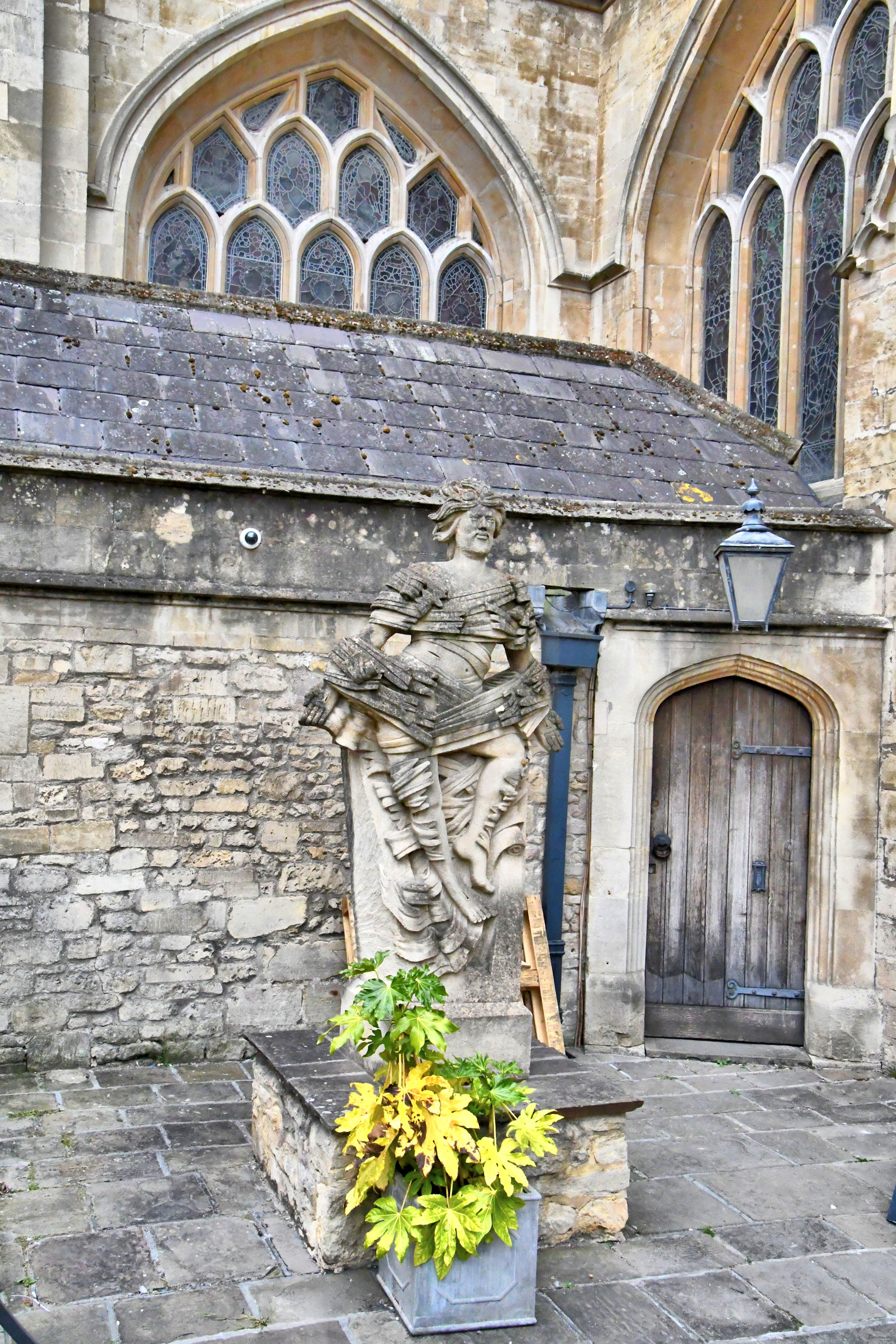

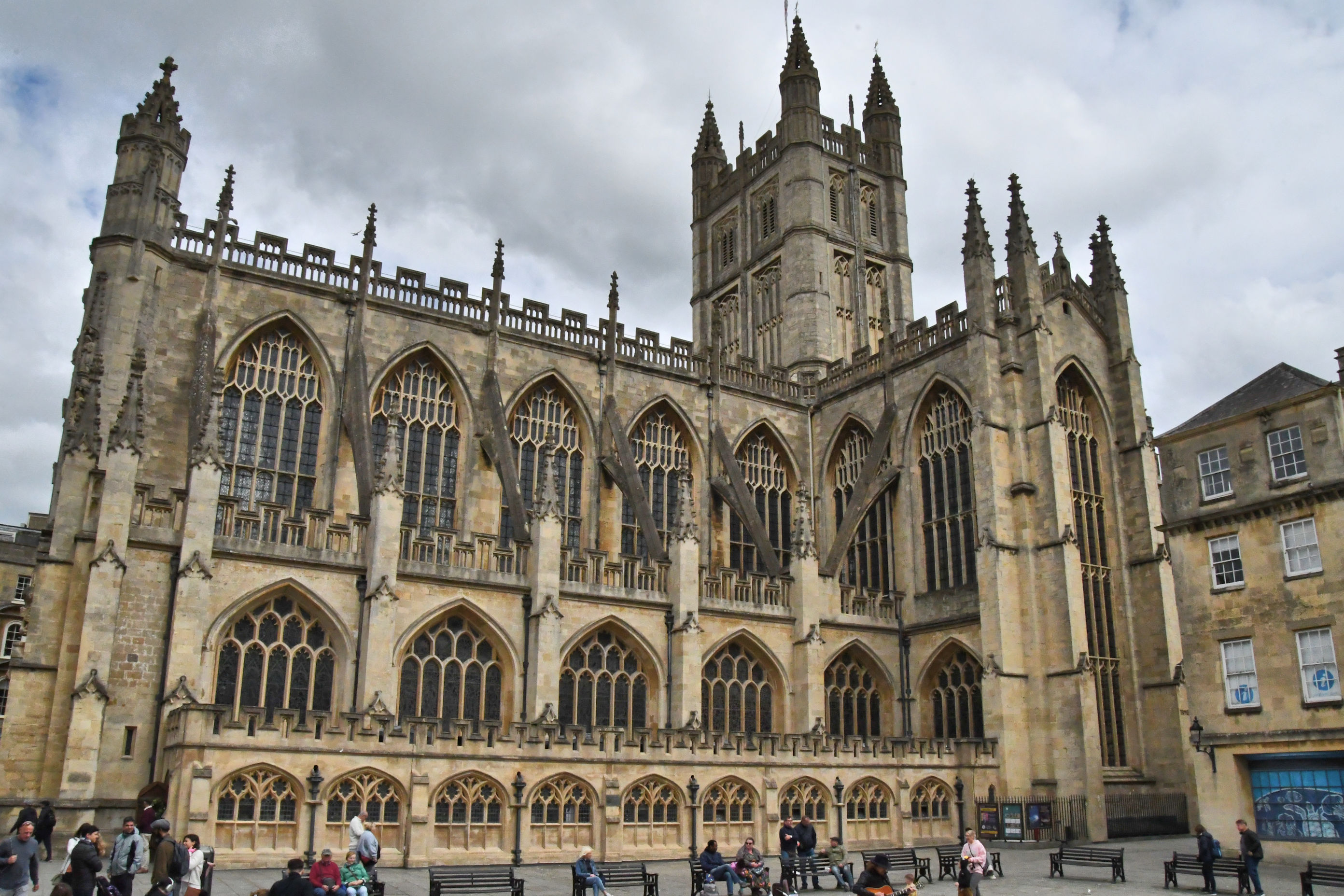
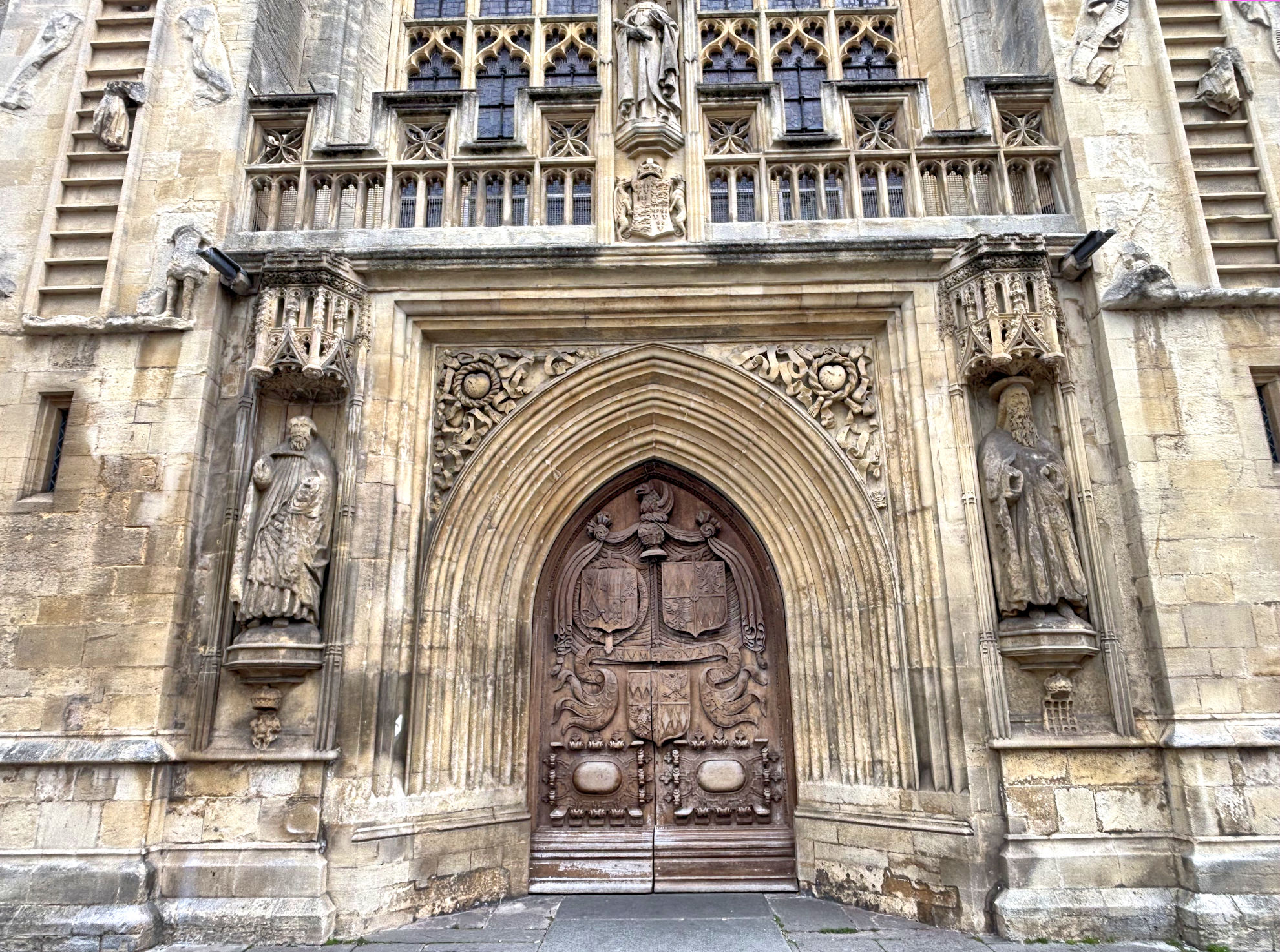
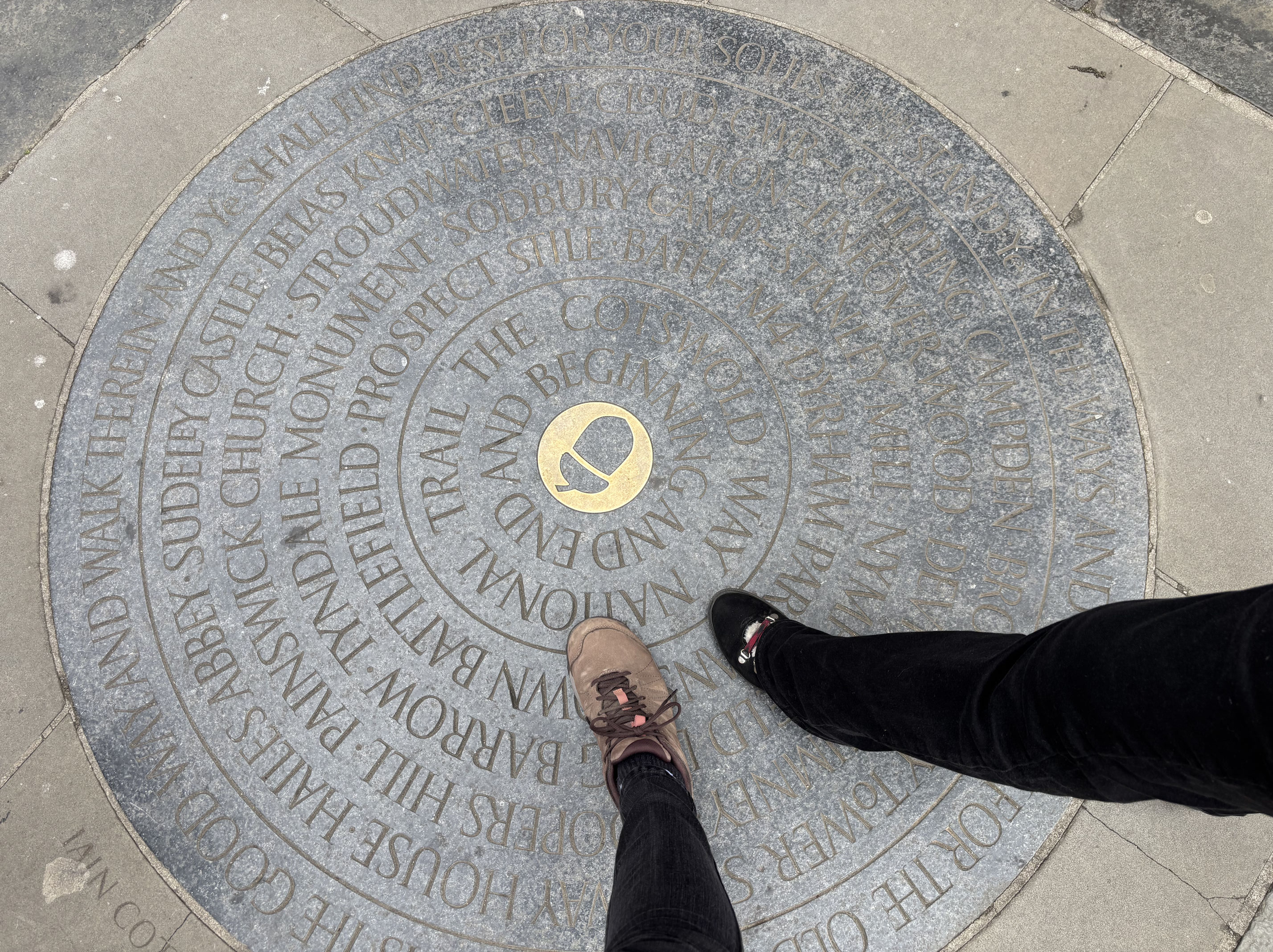
Sculptor Iain Cotton created a marker placed in front of Bath Abbey in 2012. The stone features place names from along the route and a quote from Jeremiah 6:16. “Stand ye in the ways and see, ask for the old paths, where is the good way, and walk therein, and ye shall find rest for your souls.” It’s sister marker is at Chipping Campden and together they bookend the Cotswold Way walking route.
One famous place that I wanted to vist was Sally Lunn’s where they sell the Sally Lunn Bunn. We were not hungry, and not interested in a bun, but I did want to get inside the place.
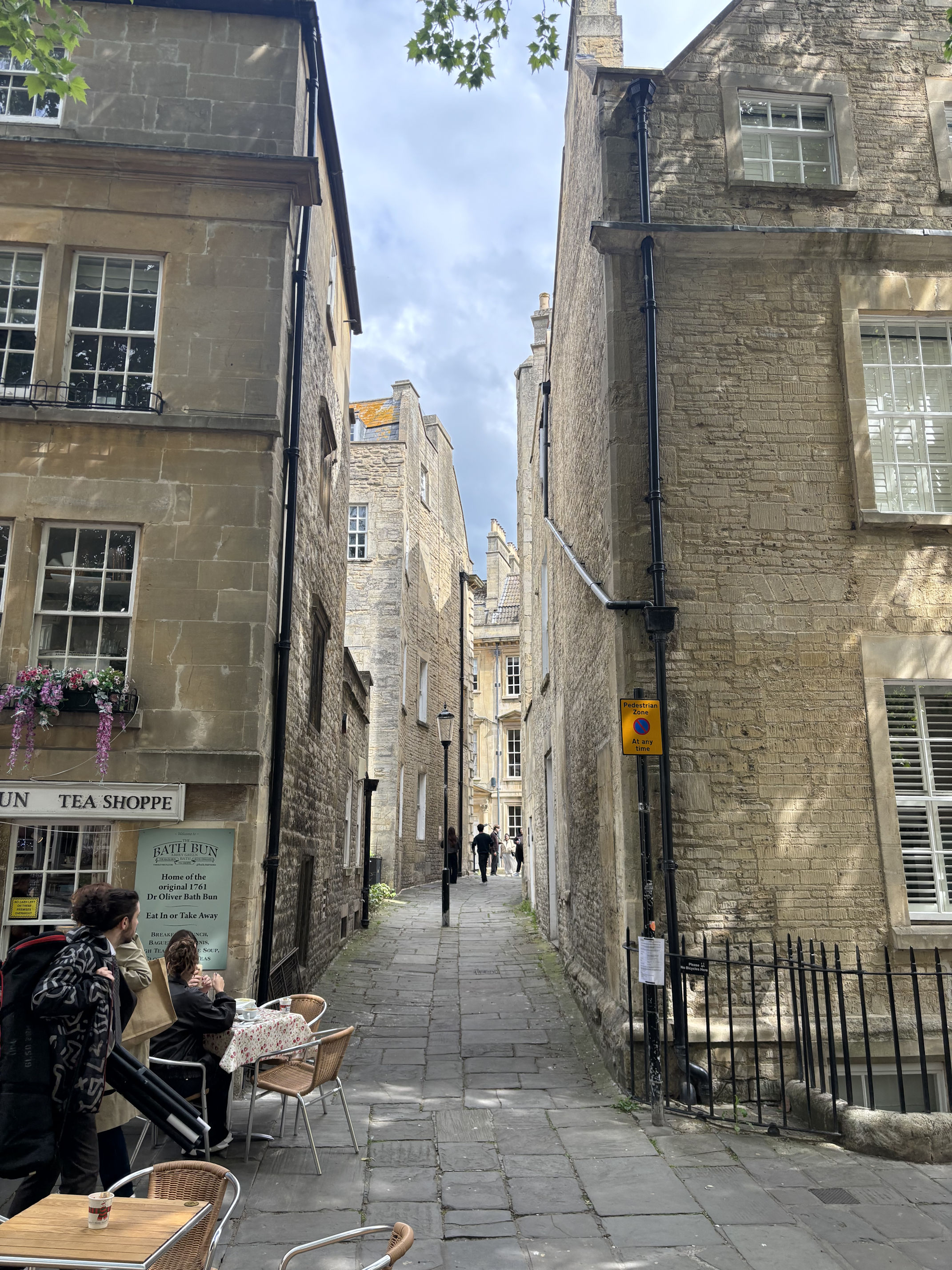
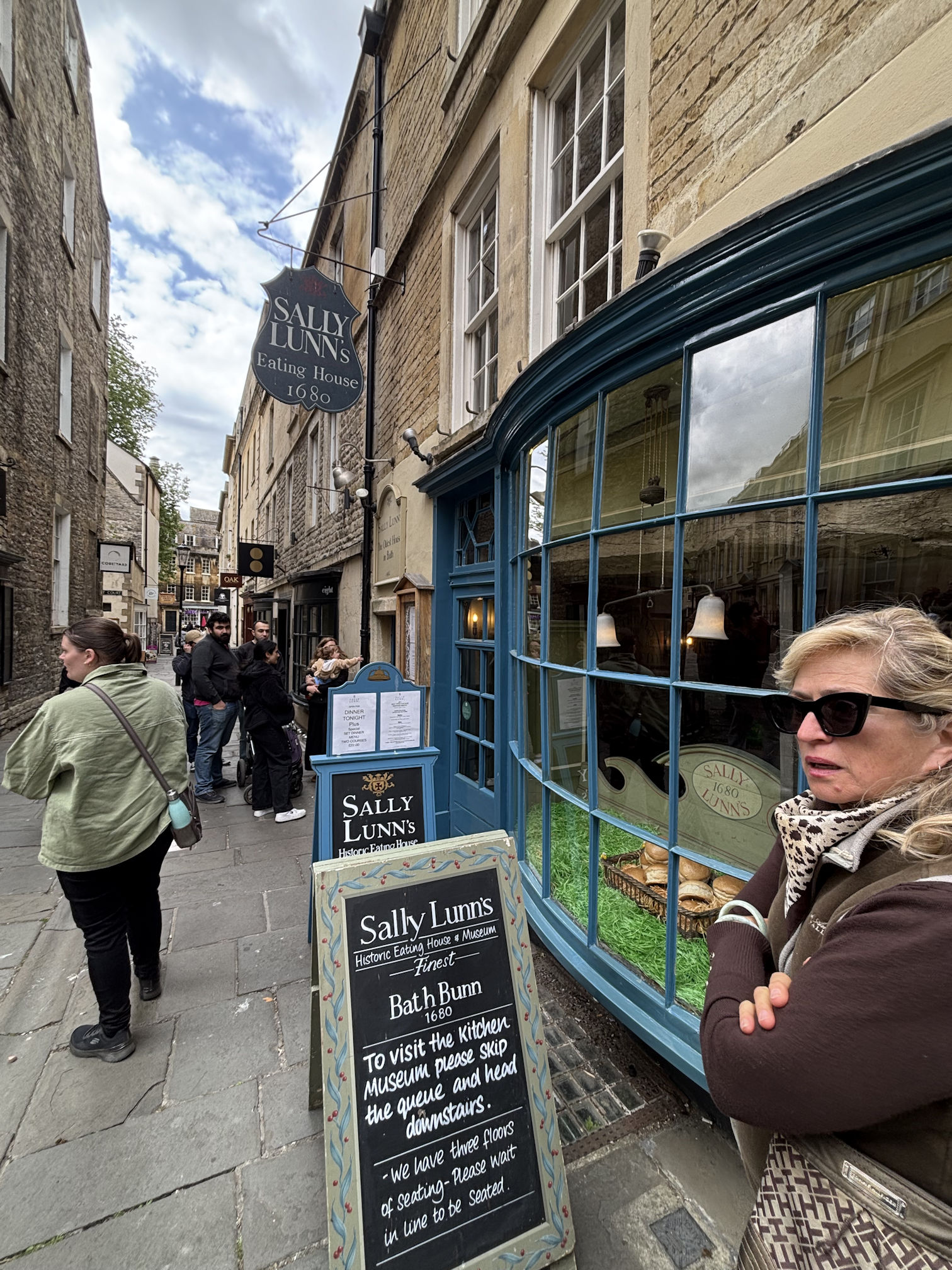

After circling a bit, we found the place, and at the same time found a line stretching out the door and into the street. As we stood there, I noticed instructions on a sign that said for people only interested in the tiny museum, they could push past the line and get inside. So we did that, passing a line of people in a narrow hall waiting to be seated, and then walking down flights of stairs to a tiny below-ground museum.
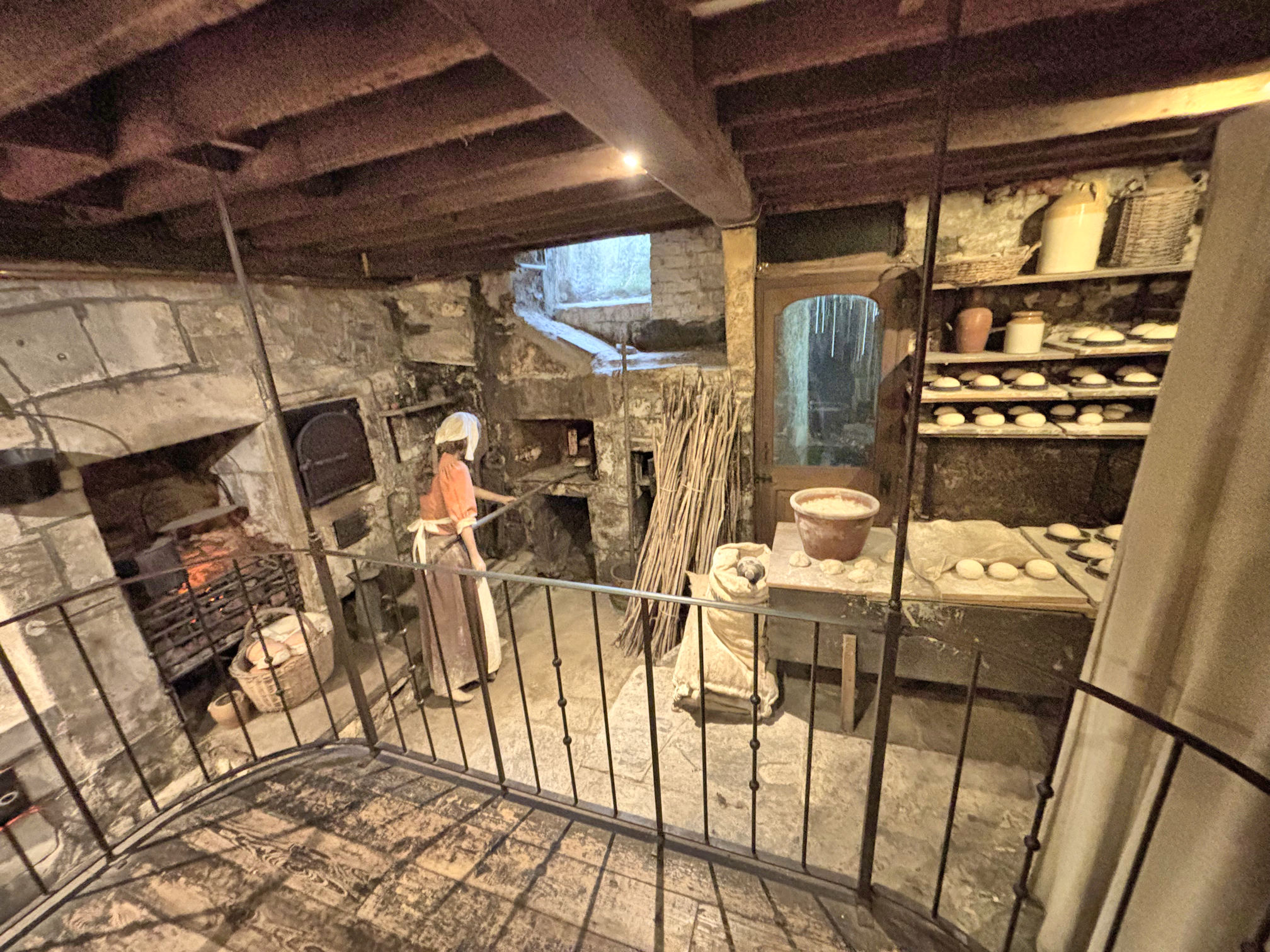
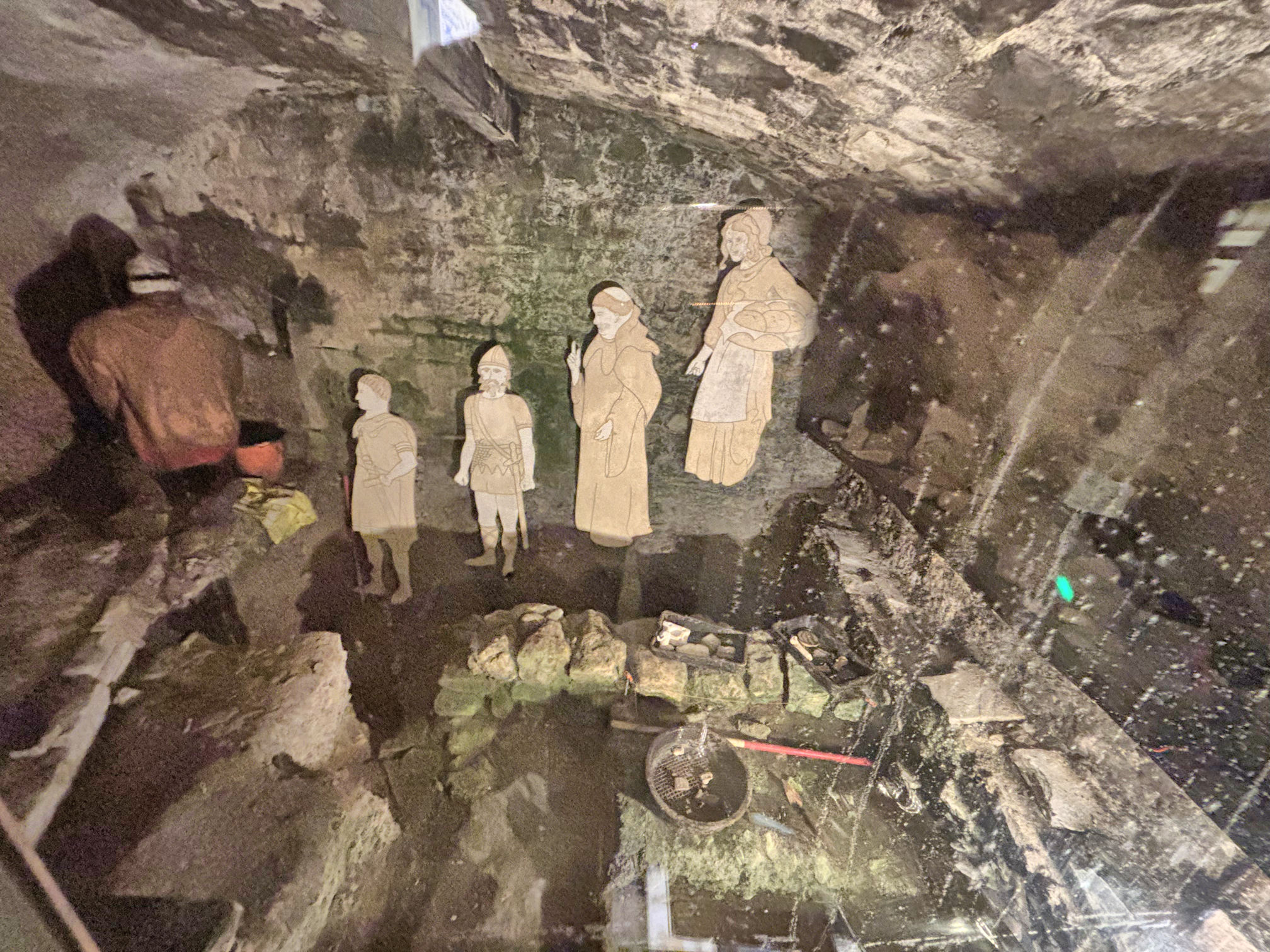
Information provided at the museum site tells a fabulous story about the history of this site! Excavations show that this may have been a site of hospitality since Romans occupied it in the year 200. After the Romans left, this became an important Saxon city. Excavations in 1984-5 revealed artifacts in the basement from both the Romans and Saxons. A Benedictine monastery was built here and was active until King Henry VIII dissolved monasteries in 1539.
Legend tells that in 1680 a French Huegonot refugee girl found employment with a baker, who was likely using the kitchen built in 1482 that was formerly used by the monks. Her name, Sally Lunn, is an anglicized version of the name Soli (Solange) Luyon. She taught the baker how to make the light French festival type of breads. These became so popular that the baker became prosperous and the city of Bath became known for the Bunns, as they were called. With the money, the baker converted his old wood-burning stove to a new coal oven, that was in use until the late 1890s. The building was sold in the 1930s and the original Bunn reciped was discovered in a secret cupboard over the oven. The recipe became the legal property of the new owner, who once again began making Bunns again according the original recipe, which they have kept secret to this day.
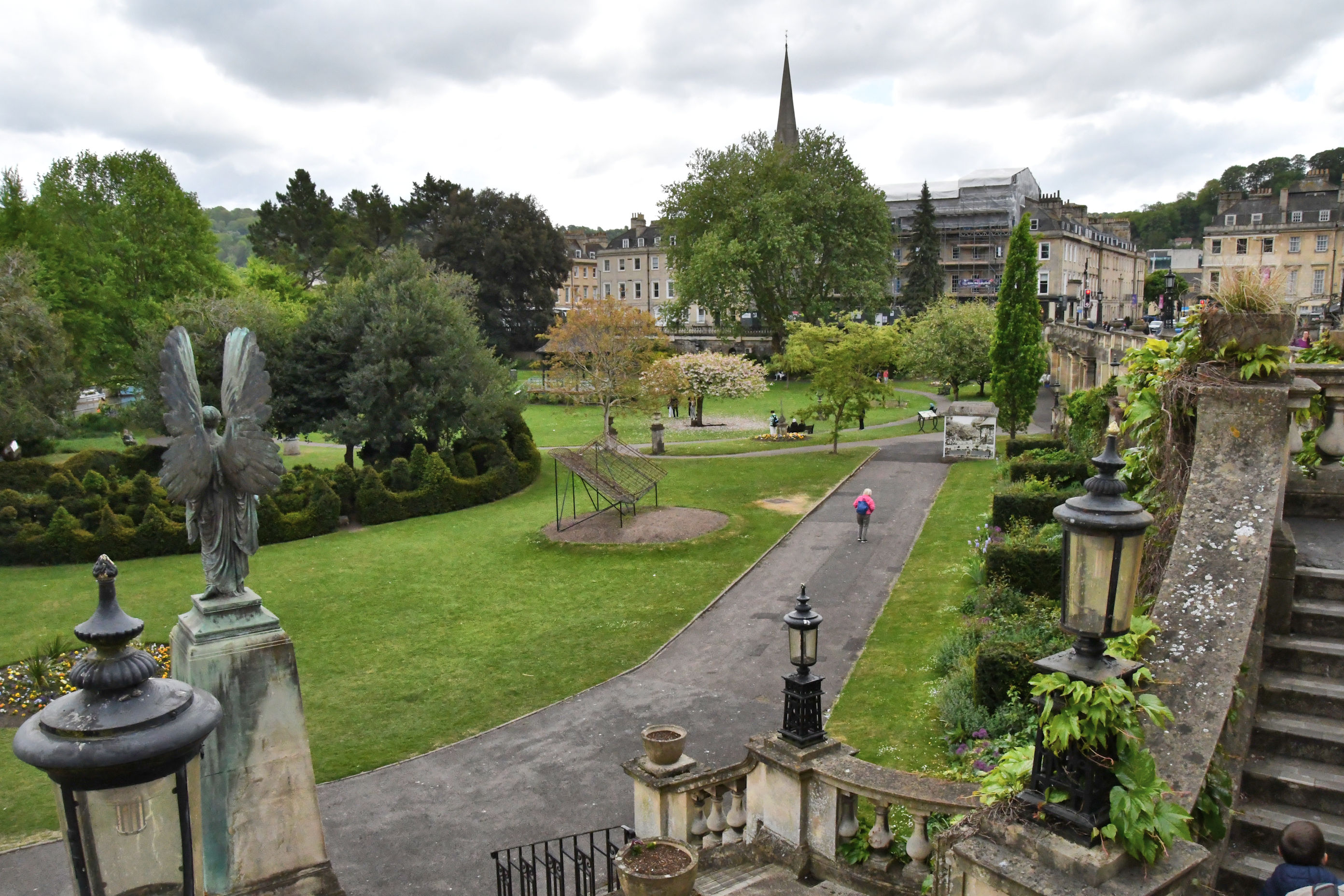
After our Roman Bath Tour (which I will cover in the next post), we went in search of more famous Bath sites. Since we had already seen the parade gardens, we walked a bit farther from there and spotted the Pulteney Bridge and the eye-catching Pulteney Weir in front of it, on the River Avon.

Completed in 1774 to connect Bath with the new suburb of Bathwick across the River Avon, Pulteney Bridge brings images of Tuscany to Bath. The design is inspired by the Ponte Vecchio in Florence and the bridge itself is lined by shops. It is one of only four such structures in the world. Viewed from where we stood, the bridge’s elegant arches are set off by the curved cascades of the weir (low dam built to regulate water) just downstream.


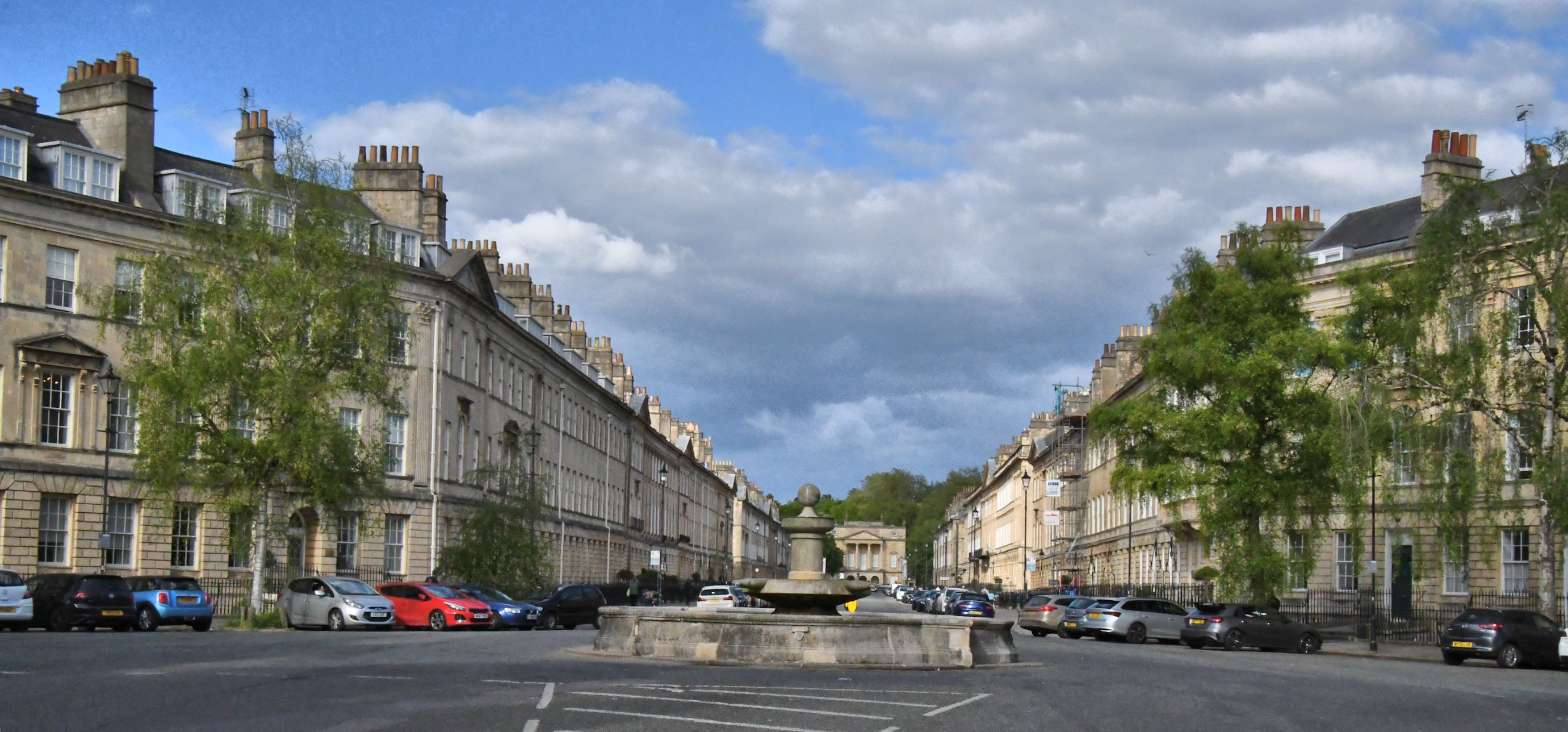
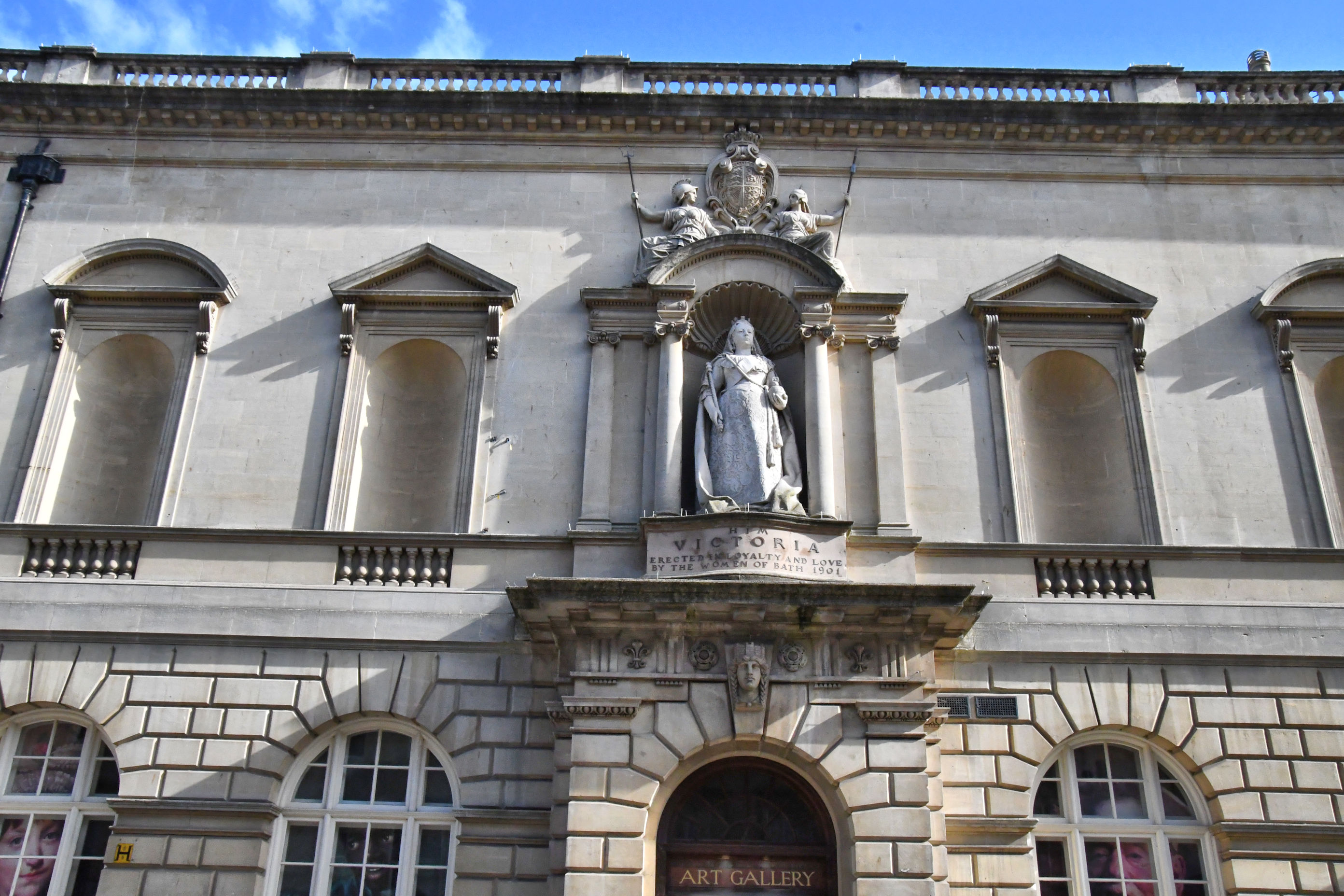
We then reversed course and began walking uphill to more of Bath’s famous structures, including The Circus, and The Royal Crescent. Before writing this post I didn’t really know what Georgian architecture was, but after looking at all these photos, I have a sense of it. One marvelous example is The Circus, a 360-degree masterclass in design, is the work of John Wood the Elder. The architect was so inspired by Stonehenge that he designed The Circle with similar diameter. Like all Georgian structures, it hearkens to classical Roman architecture. This was his last magnificent project and John Wood died only three months after construction began, leaving his son, John Wood the Younger to finish it.
The Circus has been one of Bath’s most sought-after addresses. Former residents include former British Prime Minister William Pitt the Elder and the artist Thomas Gainsborough. I was tickled to recognize the spot instantly while watching a movie on British Airways on the way home, when a family in the movie moved to “less ostentatious” lodging in Bath.
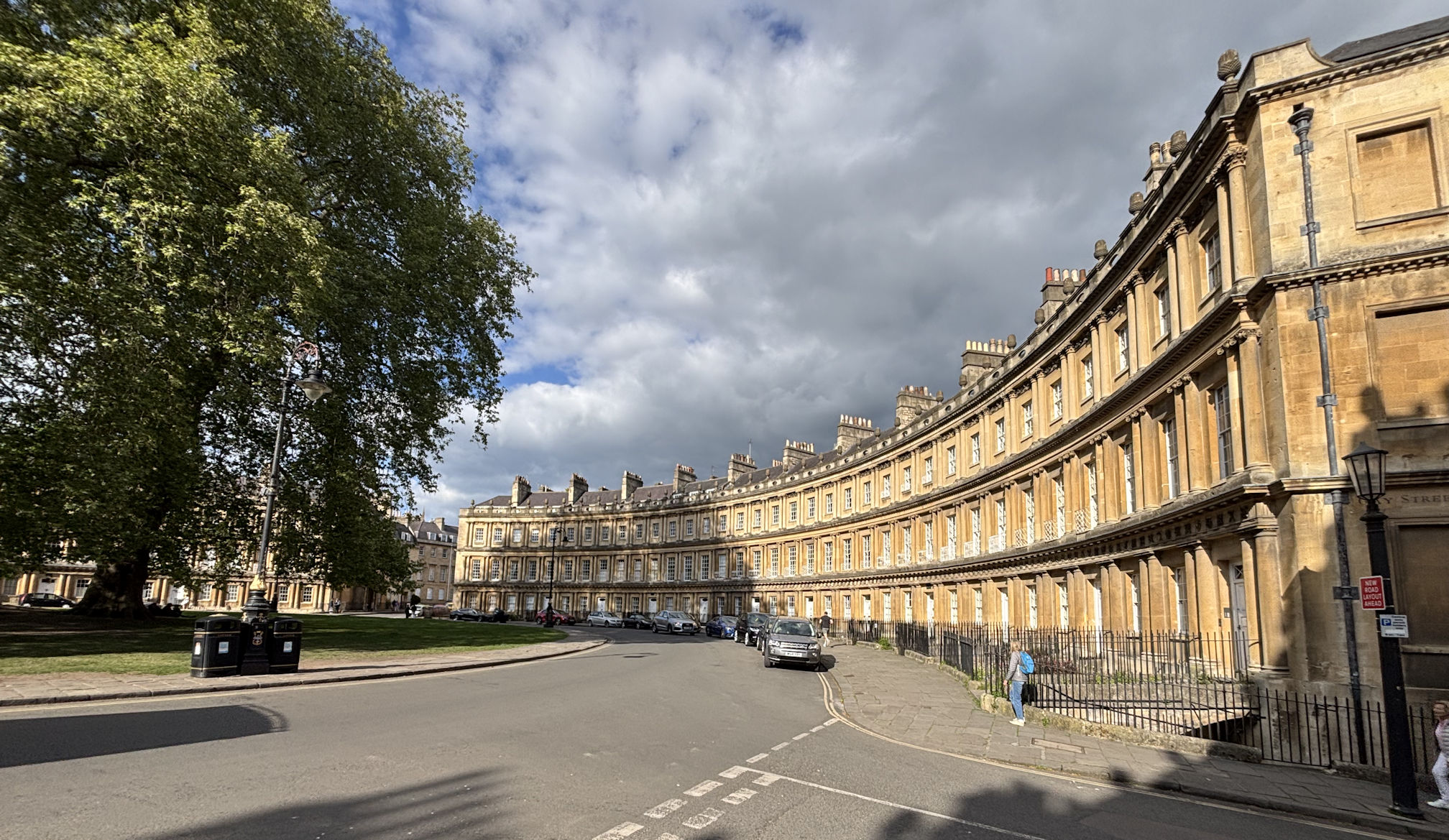
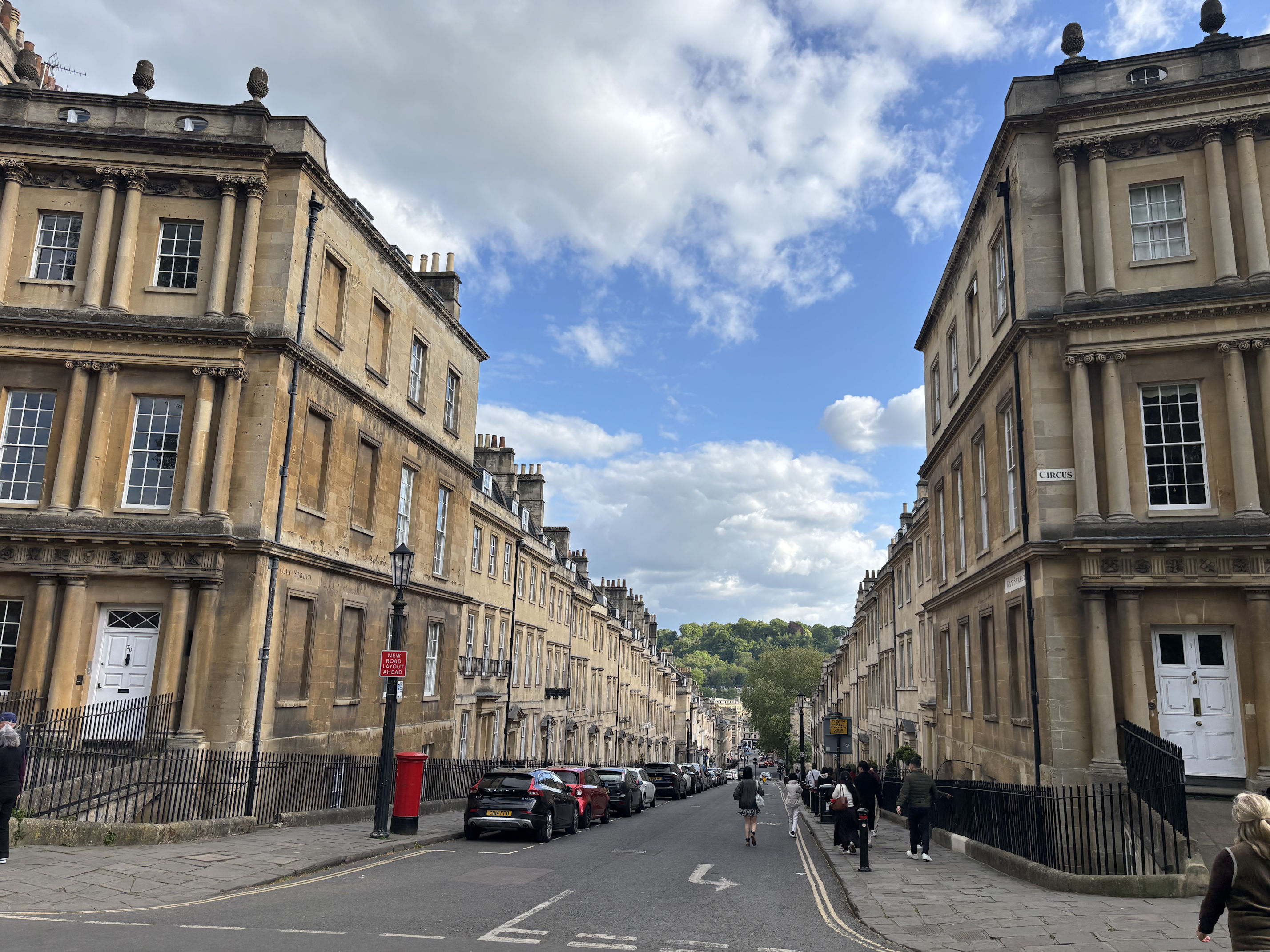
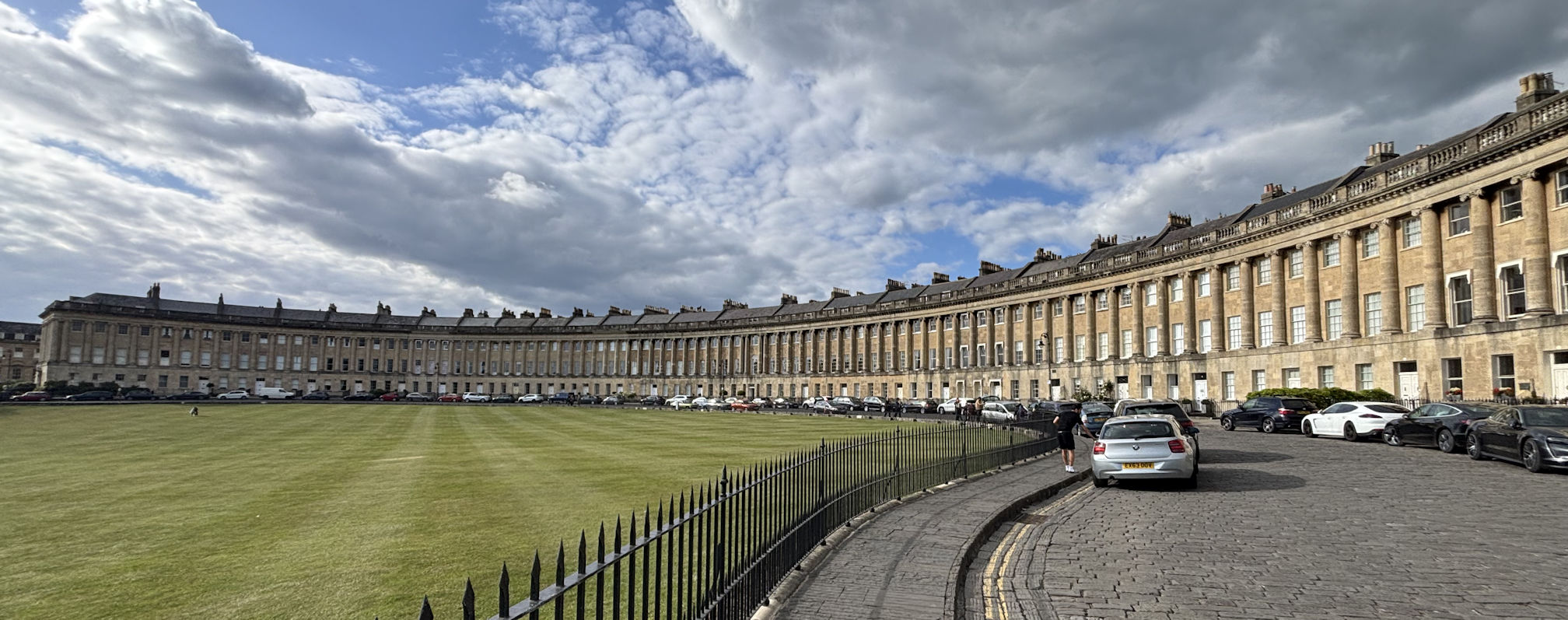
It was an easy walk from there to the adjacent Royal Crescent, designed and built by John Wood the Younger. Even at the end of a long day of being impressed by architecture, The Royal Crescent still elicited exhales of admiration. Unlike The Circle with its magnificent trees in the center, blocking views of the buildings, here we saw a sweeping arc of stunning Georgian stone townhouses hugging an expansive green lawn.

We then went in search of food for the night, before our evening admittance into the Thermae Bath Spa, a modern, sparkling spa using the same thermal waters that continue to flow into the old Roman baths. The Roman baths do not allow people in them anymore, so we decided to end our day with the next best thing, and have a sunset at the spa.

The Thermae Bath Spa was a bit expensive, but it turned out to be exactly what we needed. There were a couple of options that we did not use, such as the steam room, the Minerva bath, the wellness suite, and the cafeteria, only because we were enjoying ourselves in other places. For two hours we enjoyed the public sauna, Celestial Room (a fun room all in midnight blue tile with stars on the ceiling and a movie playing scenes from outer space and matching mood music), and most of all we enjoyed the rooftop heated open-air pool with a view of the city of Bath.

Of course, photos were not allowed on the premises and my phone was securely confiscated inside a locked bag in case I might be tempted. We didn’t worry about the absence of phones and talked and talked as we watched the sun drop low over the city skyline. It was a beautiful evening and the ultimate place to relax from our busy tourist schedule. We left absolutely refreshed.

We had the best sleep of our entire week that night.

 Conscious Engagement
Speaks to how long I have been playing hooky with my blog to find you in Bath, Crystal. Haven’t been there, but it looks very British right down to the red phone booth. Great photos capturing the architecture. Surprised you didn’t buy one of Sally Lunn’s buns. Peggy and I are on our way down to Joshua Tree National Park and then on to San Diego where we will meet up with one of my nieces.
Joshua Tree is one of my favourite places to explore in the southwest US – the trees do not fail to fascinate! I hope your journey is smooth. Say hi to Peggy for us!
When we were at Sally Lunn’s we had about 10 minutes before beginning a 2-hour tour in the Roman Baths, and we were still stuffed from breakfast. So, getting a bun would have meant carrying it around for hours while on a tour. Our timing was off. Oh well.
And yes, that phone booth in Castle Combe is the most picturesque I saw during our travels! There was another on the way to Stonehenge that had been converted into a tourist information booth, which I thought was a good idea.
Pretty sure those phone boots are disappearing, Crystal, victims of modern technology. And there were always such symbols of Britain. I even remember finding one along a remote road in Scotland. Sigh. I did get the reason you couldn’t get you bun, grin.
It was such a good idea to park the car and wander on foot. Once again you have produced a fine set of photographs and prose which shows how you have absorbed history as you always do. I enjoyed the story of Sally Lunn and in particular your evening sun photograph.
I’m glad that evening sun scene caught my eye, and I’m glad you liked the shot. I do wish I could have sent a photo of the scene from the rooftop pool. It was just stunning from up there, to see the late day sky, the spires and towers of the city, and the hills in the background.
XX
What a beautiful post, Crystal!
You have beautifully captured the incredible architecture of this city.
I really appreciate the way you have compiled all the historic information and came up with some interesting stories like the ‘bakery’ one.
Stories like these make people inspire and help them with their planning.
Thank you so much for sharing 🙂
Thank you very much for your comments, Sreejith. ❤ I am educating myself as I make these posts, of course, because I want to give the right credit and to tell the story correctly. For example, I did not know much about Georgian architecture, or who was responsible for it. Turns out, it was the Victorians. I already knew Sally Lunn’s was famous, but the information at the mini-museum was even more interesting. Saying that posts like mine can be inspirational makes me feel so good! I am smiling.
When I started blogging in 2013, my intention was to share information of lesser known places that I explored in South India. But, later on, I had to limit my posts with only images.
I know the effort behind such content rich posts and I really appreciate the effort behind 🙂
Other bloggers understand!! Thank you for the validation ❤
Great post! You do such a good job of writing up your adventures. I need to do better at that. I think it would really increase my memories of our experiences that seem to fade with time! I was in Bath for just a few hours a while ago. I would love to go back! I remember our tour guide mentioned that Pulteney Bridge was the set for the 2012 film Les Miserables where Javert (Russell Crowe) committed suicide by jumping into the river. The scene was used to represent a scene in Paris. When you said there were only four such structures, I wondered if one was in Paris, so I looked it up. Nope. :o) Thanks for sharing these great photos!
Lenore, thank you for that interesting additional detail! Now I’ll have to watch the movie again. How interesting that a bridge in England was used for a scene from early Paris. The comment about “only four” caught my attention too, but that’s because I grew up with a bridge of the same concept in my little town of Sandpoint, Idaho. It’s built of wood, not stone, of course, but it is lined with shops on both sides. So I grew up thinking shops on a bridge is normal, ha ha.
You are absolutely right about detailed travel blogs being a way to remember things. My memory of trips is much better when I was good at writing about it. I also find that if I am diligent and write the day’s events each evening, I can even capture the emotion of the day. But ugh, as I get older, I find it almost impossible to write at the end of the day. I guess that was a plan for a younger me. 🙂
Very nice again, Crystal. One of the things that strikes me is that (this was in May, wasn’t it?) there are lots of people visiting… Crowds everywhere in the world right?
The biggest crowds we saw were during a long weekend of the May Day holiday, and it’s my guess that the holiday weekend plus excellent weather brought out larger crowds than there would otherwise have been. Also there were DDay anniversary celebrations all over.
True. There are a lot of Bank Holidays in Europe in May.