
After Free Henge (as a reader named our free visit to Stonehenge), we continued on our journey north, to see another stone circle at Avebury. I gasped out loud to see a White Horse from the driver’s seat, and with Margaret’s encouragement, I pulled to the side of the road to get a photo. I had learned about white horses while creating our intinerary for this trip and I really wanted to see one.
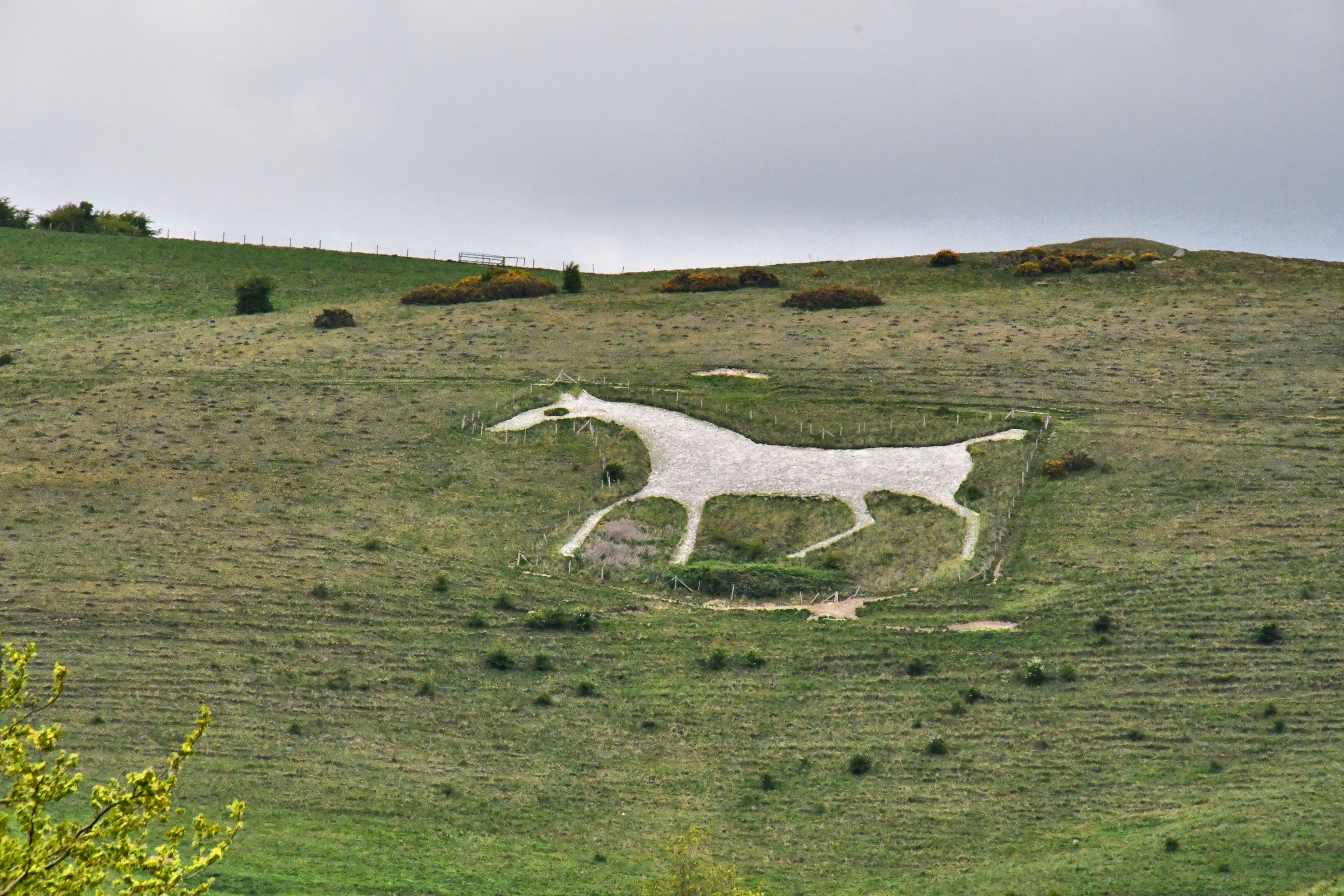
White horse figures known as geolyphs, are carved into hillsides and can be seen for miles. The Alton Barnes horse is approximately 180 feet high and 160 feet long, and was cut on farmer Robert Pile’s land in 1812. Southwest England has more white horses than anywhere in the world, and Wiltshire (our location) has eight of them.

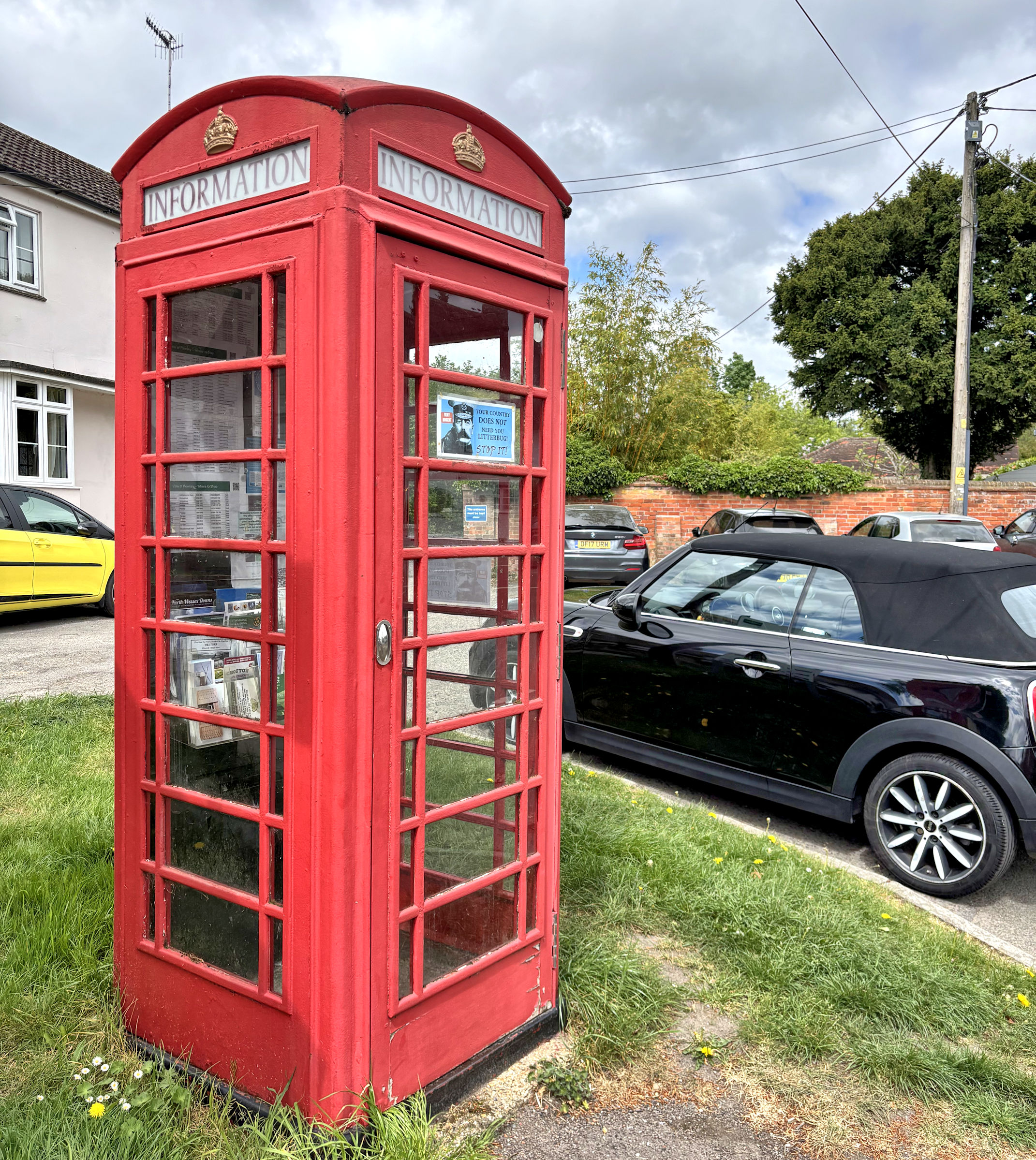

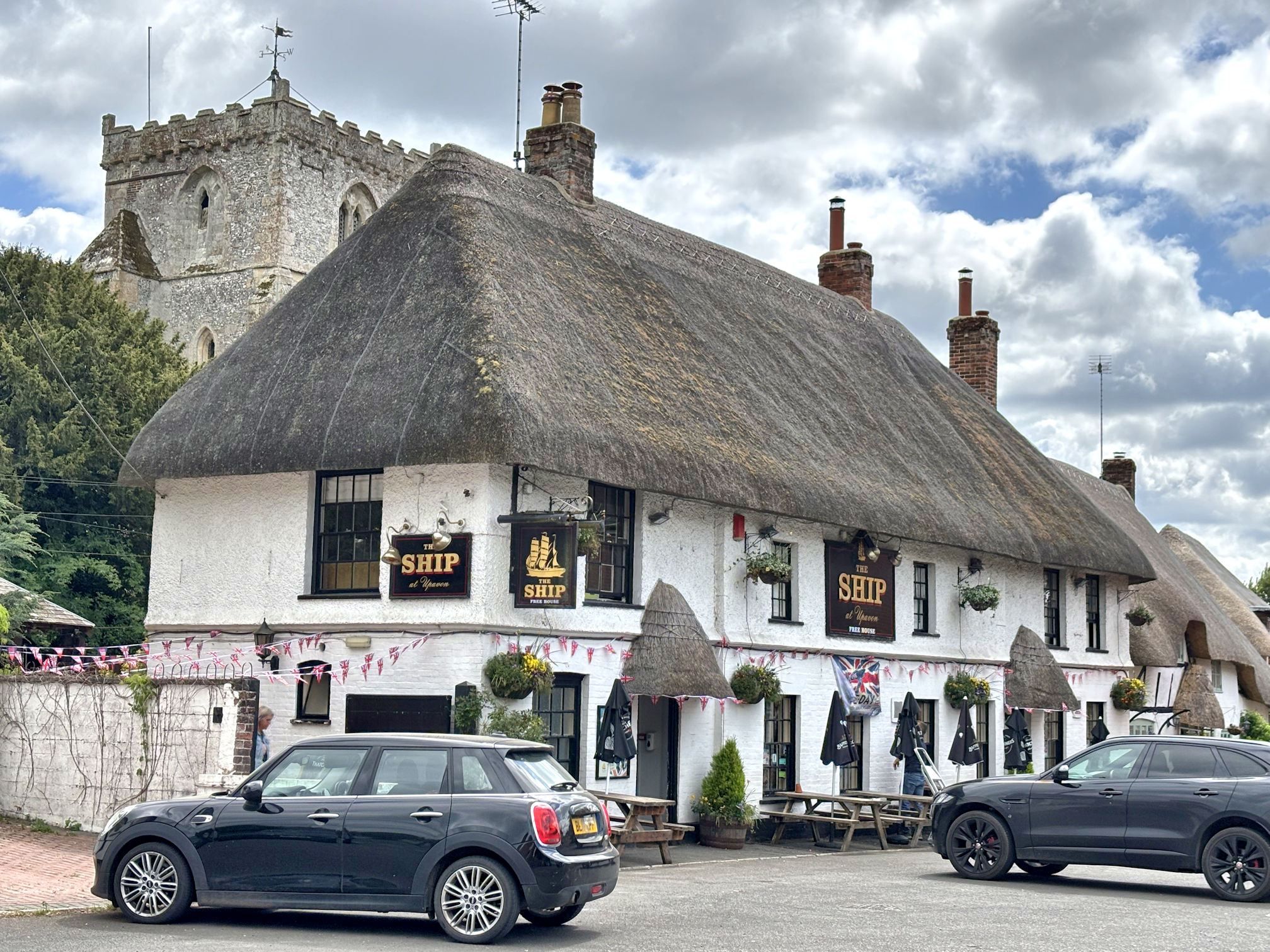
At Upavon we took a short break. We stumbled across the Upavon Tourist Information kiosk in the form of a re-purposed phone box. I found nice bathrooms/toilet in The Antelope. The cellars there apparently date to the early 1300s, and the Inn itself was built in 1604. Across the street was a beautiful place called The Ship, with thatched roof and a stone church behind it.
We spotted the enormous stone circle at Avebury long before we figured out where to stop and get out. We found the parking area, but were asked to leave, because it was full. It was a long weekend, with Monday a Bank Holiday, and we had to find the overflow parking. Eventually we were parked and paid £8 ($10.75) and off we went to find the Alexander Keiller Museum.


The museum has a great website that gave me the impression that it was going to be more. It was £6.5 ($8.75), to enter the museum, £6.5 to tour the gardens, and £6.5 to get a tour of the stones. From the doorway we could see the entire museum. We ended up not buying any of the offerings and just went off to explore on our own without spending any more.
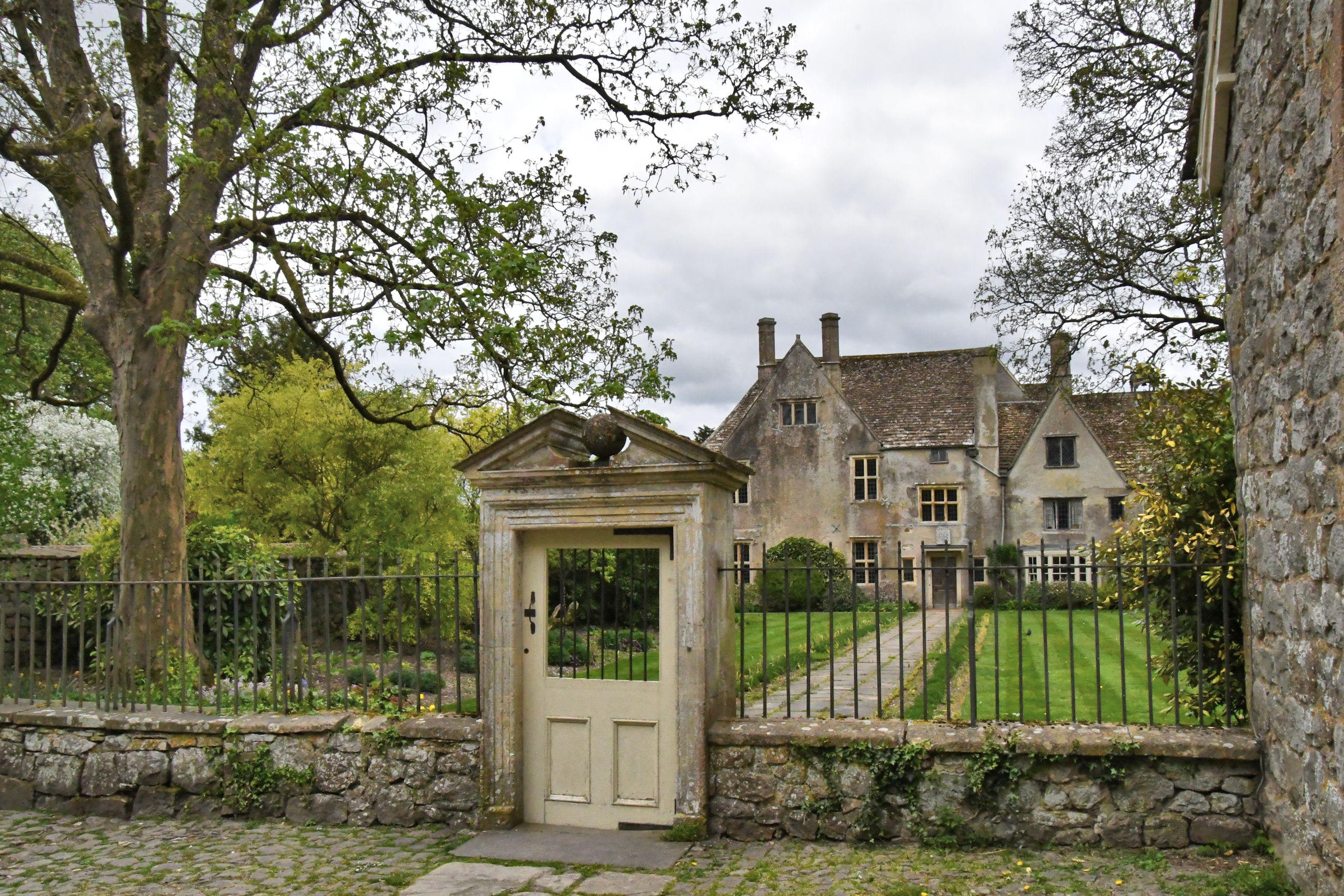
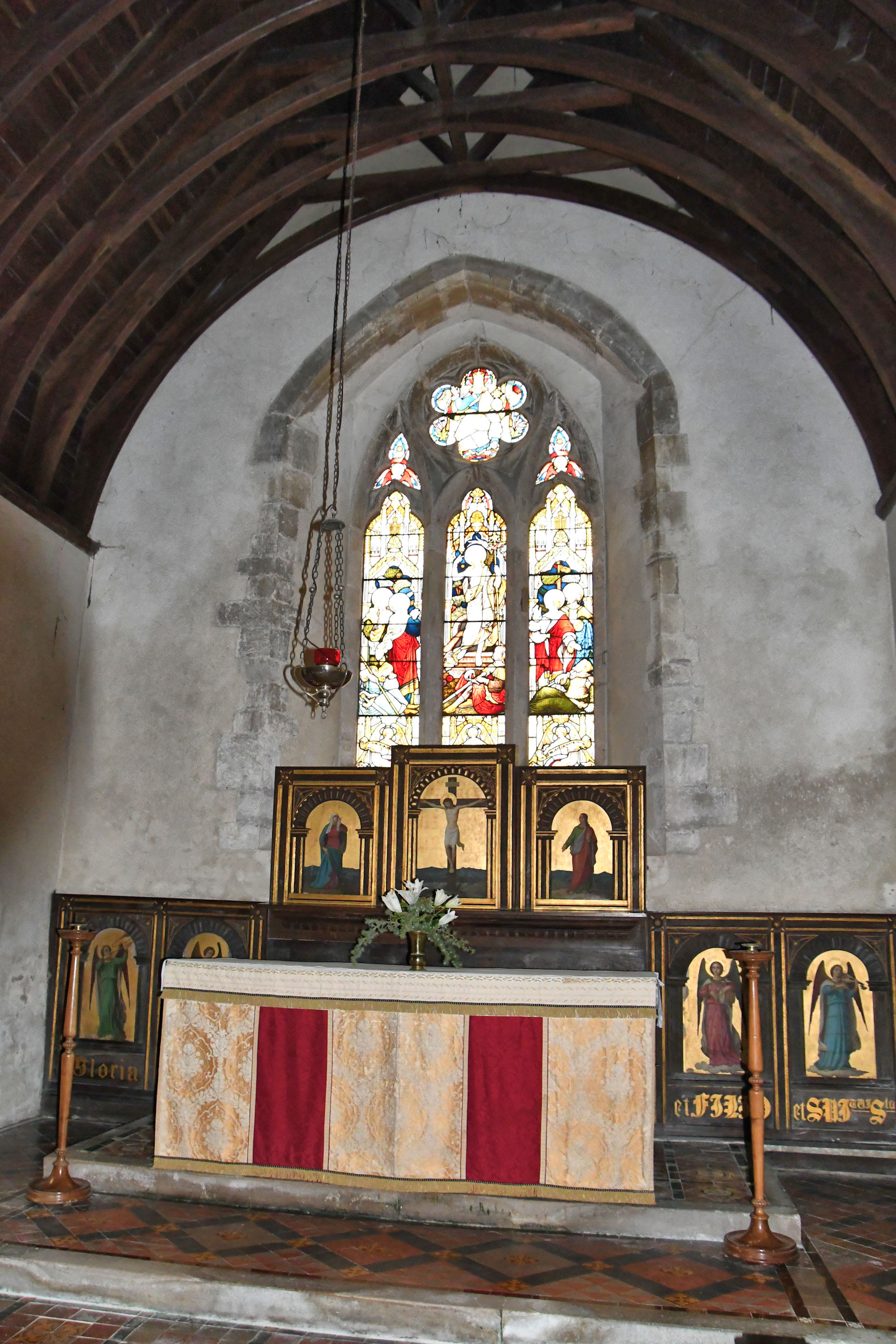
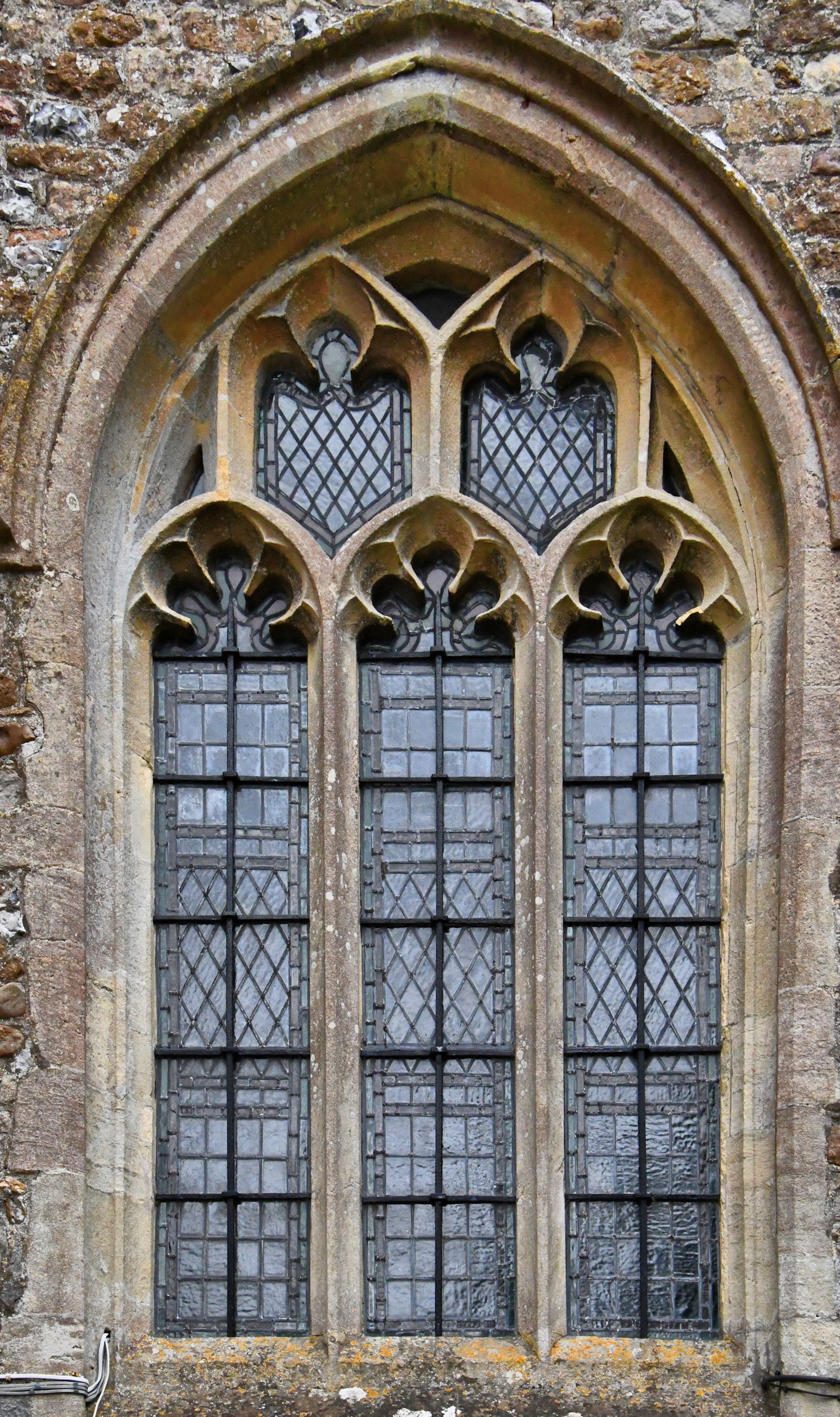
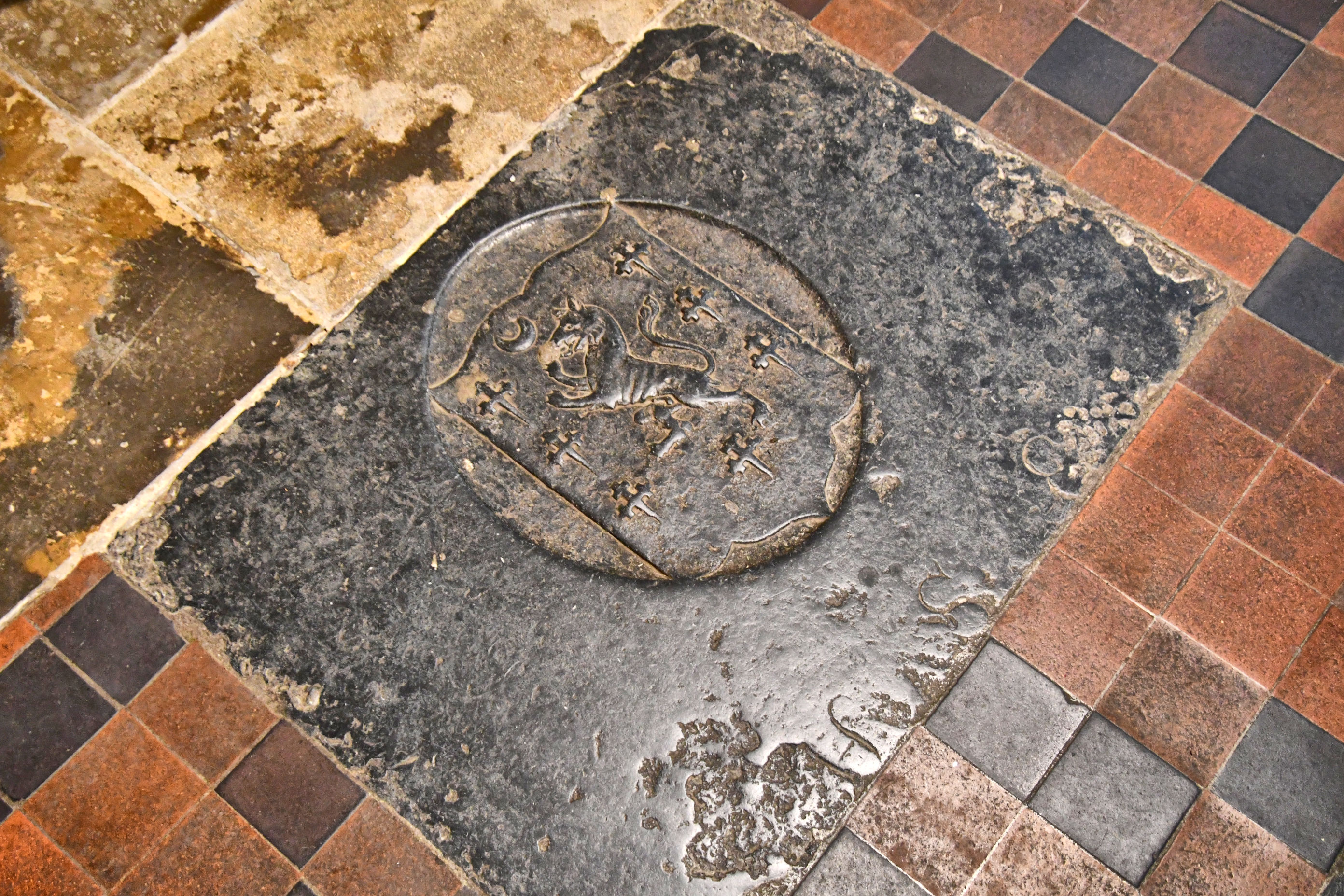
The site is easily walkable, and multiple points of attraction (all inside the large circle) are very close. We had walked past the Old Farmyard as we arrived. Next we peered through the fence at the Avebury Manor, currently undergoing rennovations and not open to the public. We had to skip the gardens because we had not purchased tickets, so next we walked through St. James Church.





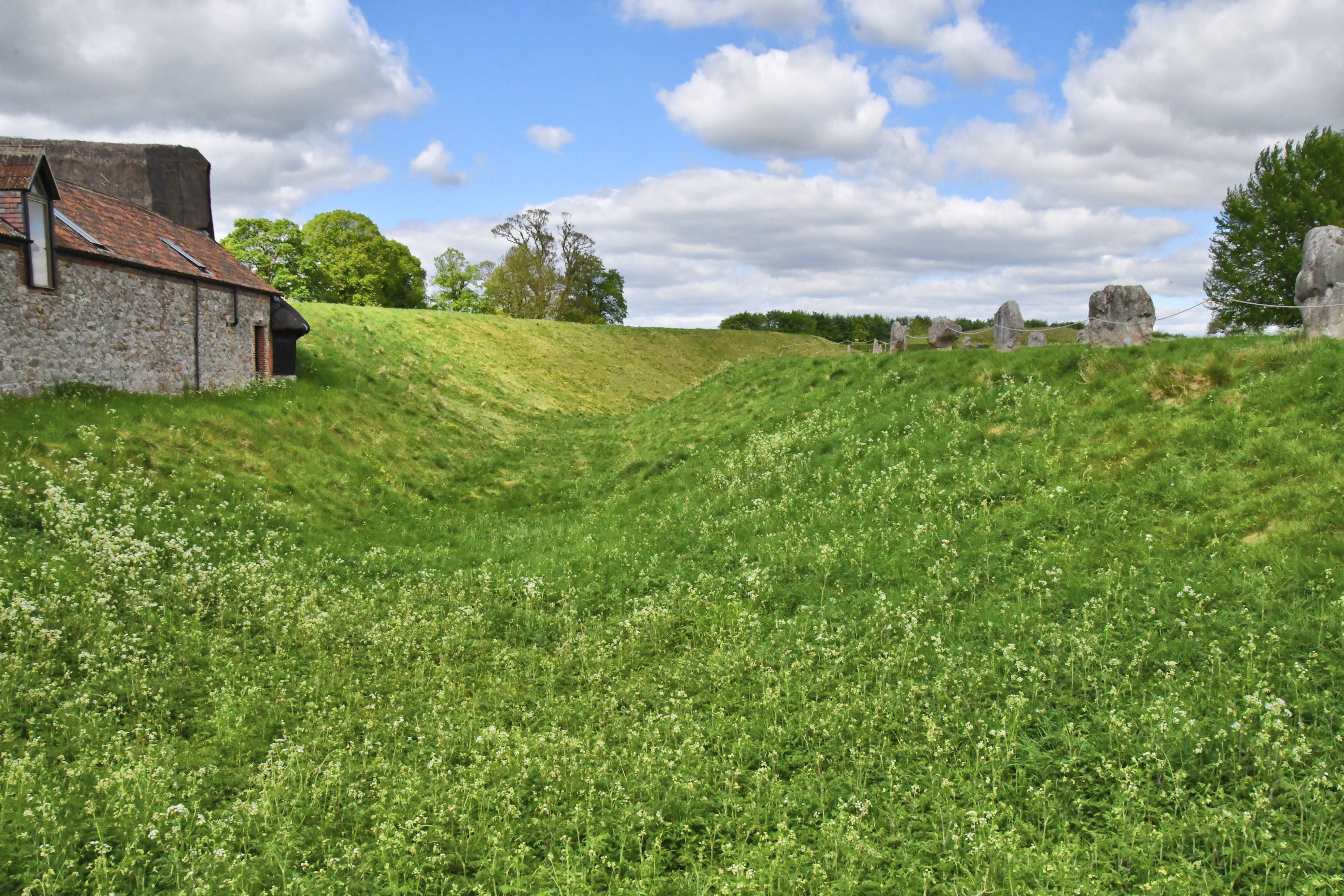
Then we crossed the road and took a closer look at the stones and the circle mound. At Avebury, there are three stone circles. Around the outside of the stones is the oldest part of the monument: the circle earthworks consisting of a mound created by digging a ditch – thought to be about 30 feet (9 m) deep originally. This earthwork, dug around 4,600 years ago, is about a mile in diameter!


The area here has been used for thousands of years, and not every ancient stone erected is inside the circle. Above, we are looking out across the fields from the top of the earthworks at different sizes of stones outside the circle.

Over the years humans have deconstructed much of the stone circles, and the two inner “circles” can no longer be identified as such, except by people who have studied the site. Stones have been buried over the years, and one theory is that this gave better access to the inside of the henge that was used to graze livestock. There is a highway cutting right through the circle and the edge of Avebury village is inside the circle as well, so stones could have been toppled to make construction easier. At one point in time, stones were broken into smaller bits for other construction use. What is left today is now protected by the National Trust.

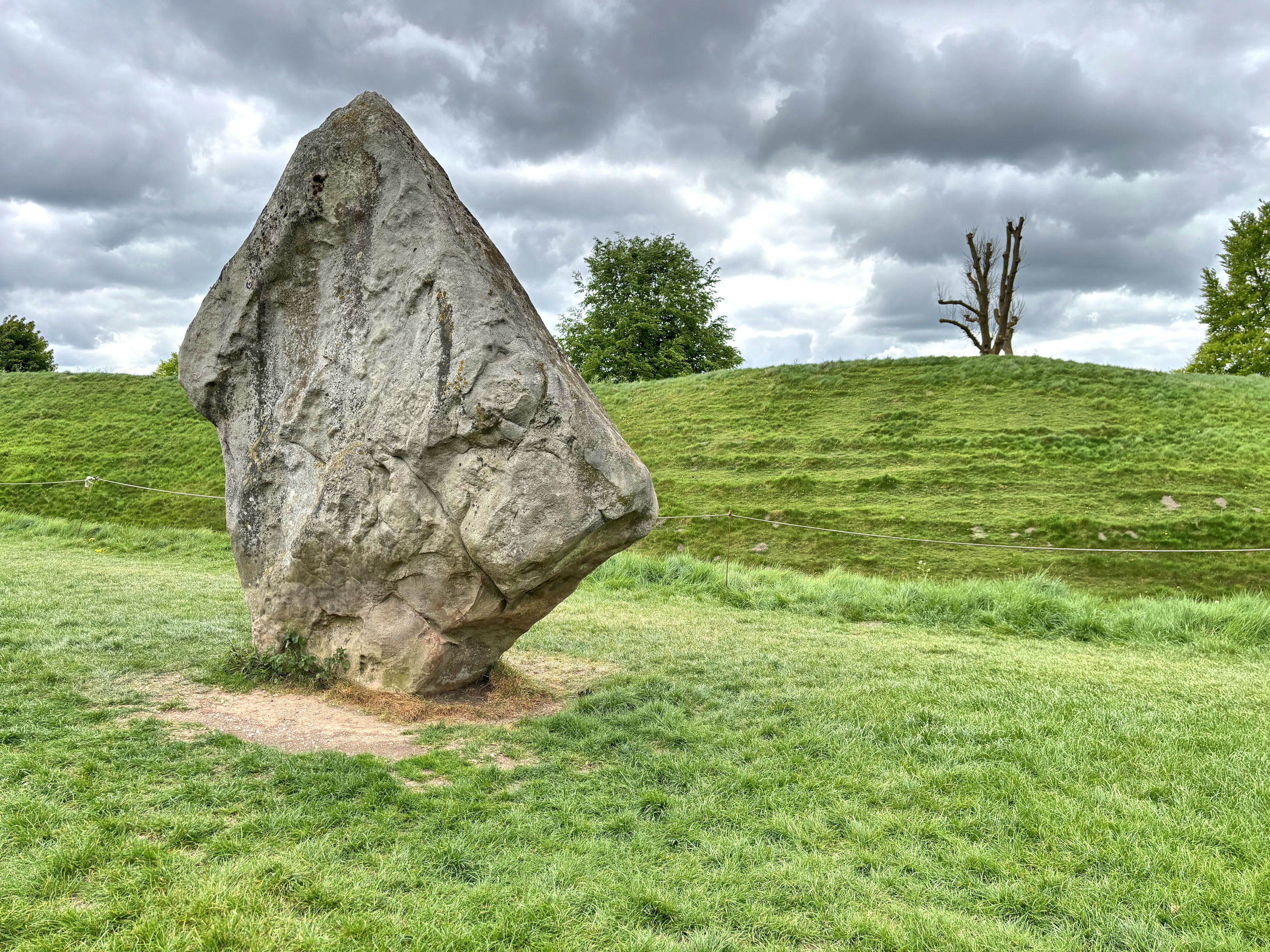

Originally there were about 100 stones. The heaviest of the standing stones today is said to weigh 100 tons, and that stone goes 3.5 feet into the ground (more than one meter). Today this is a site important to pagan worshippers, but like Stonehenge, the original purpose of this site is unknown.
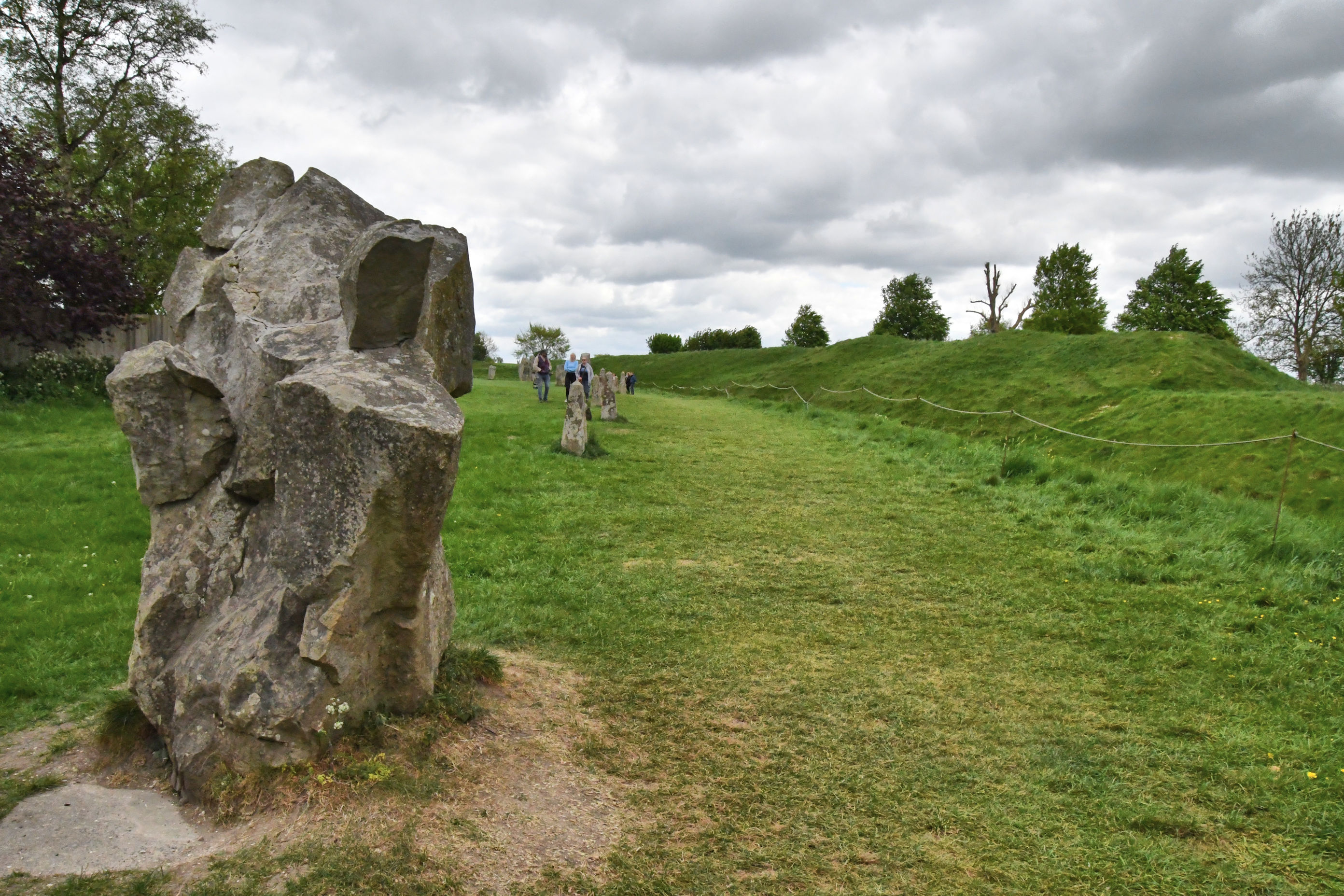
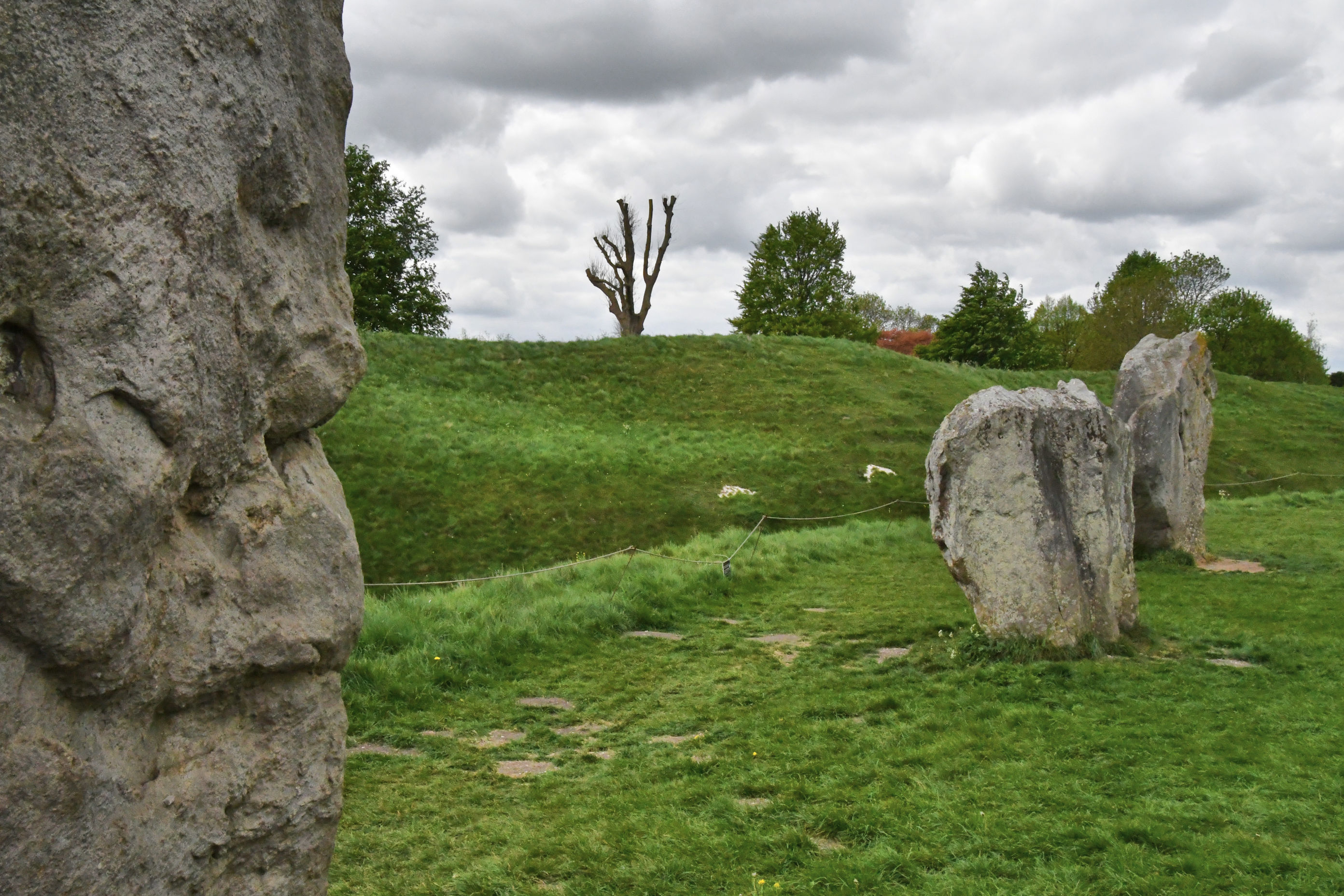
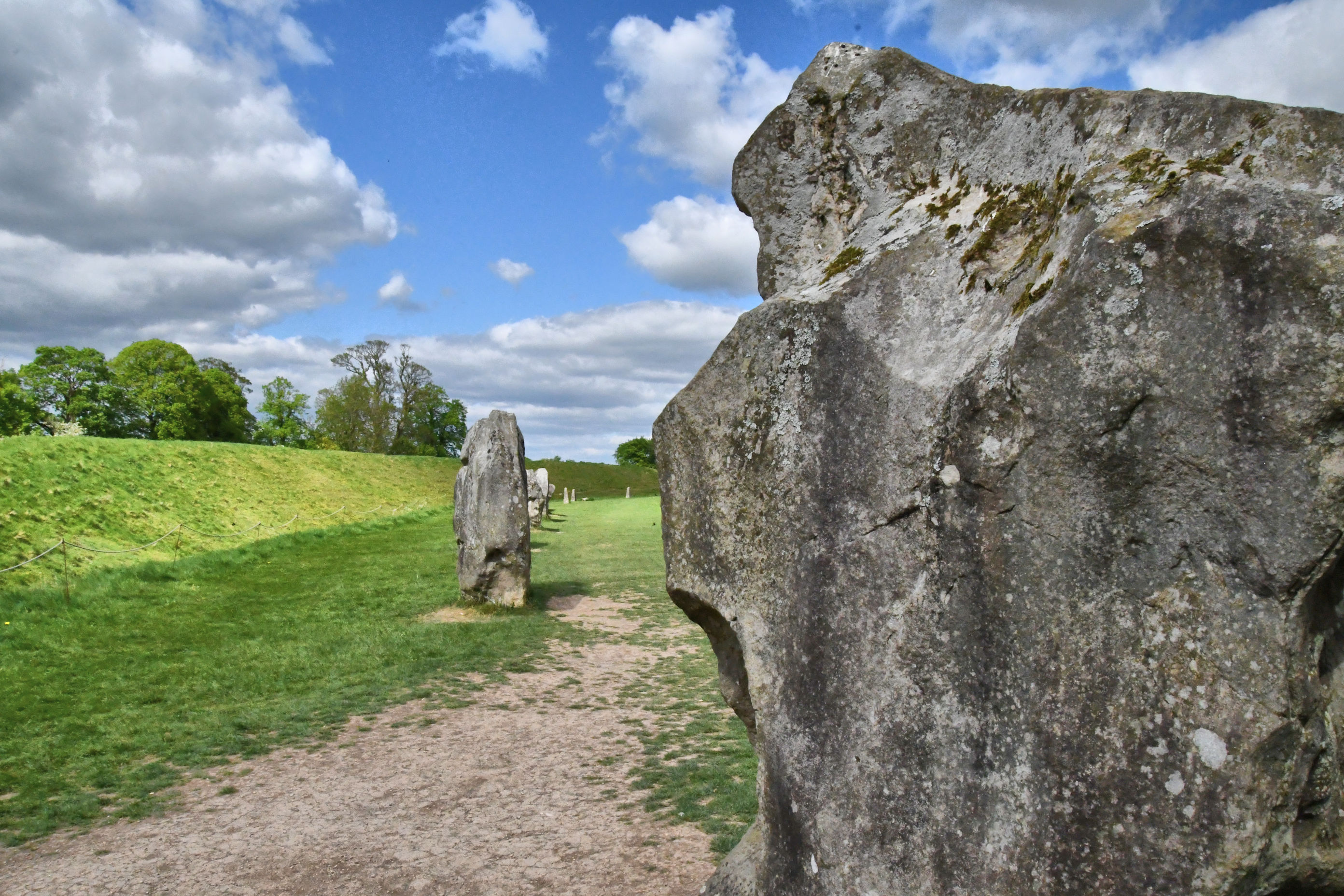
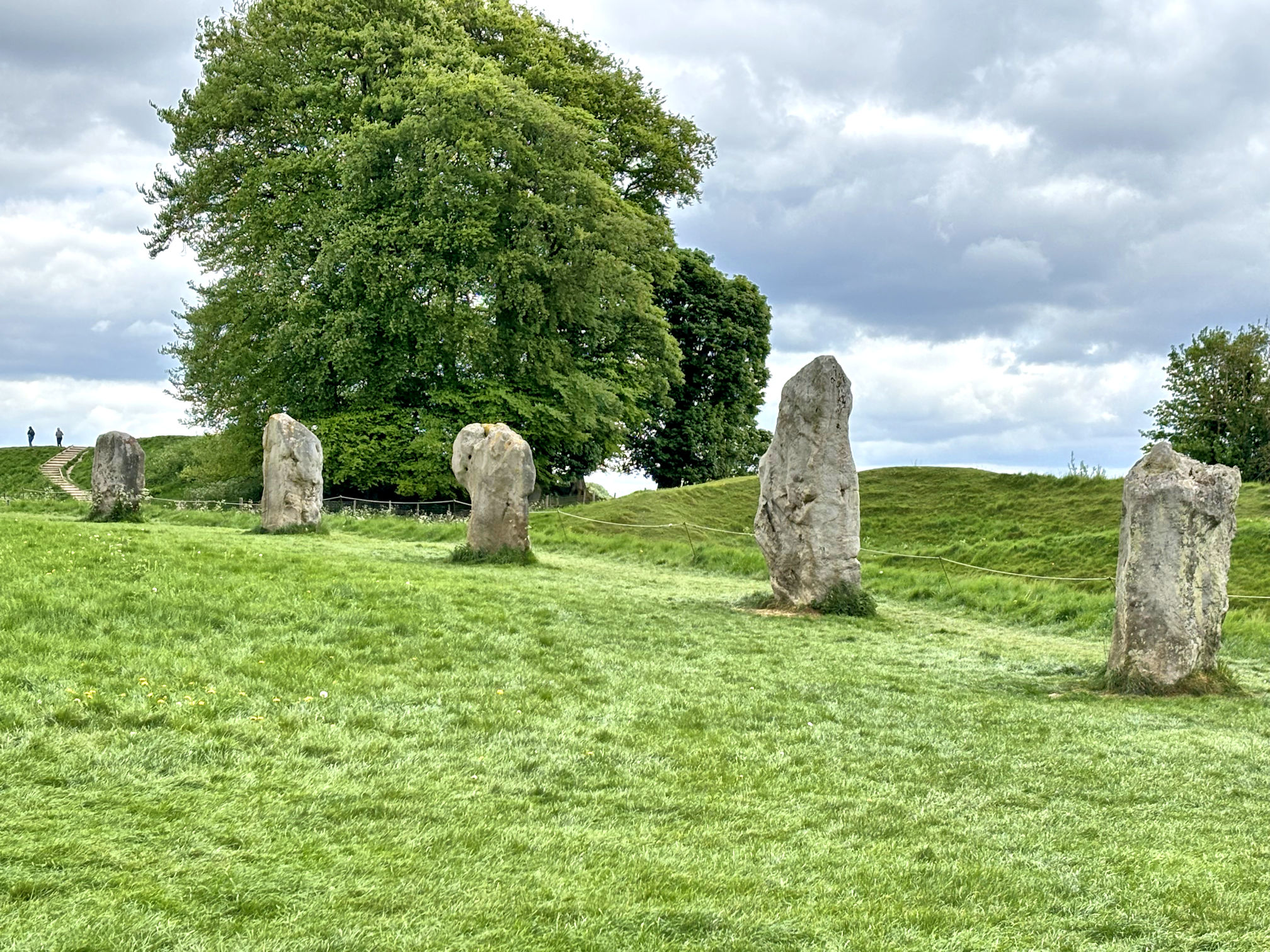

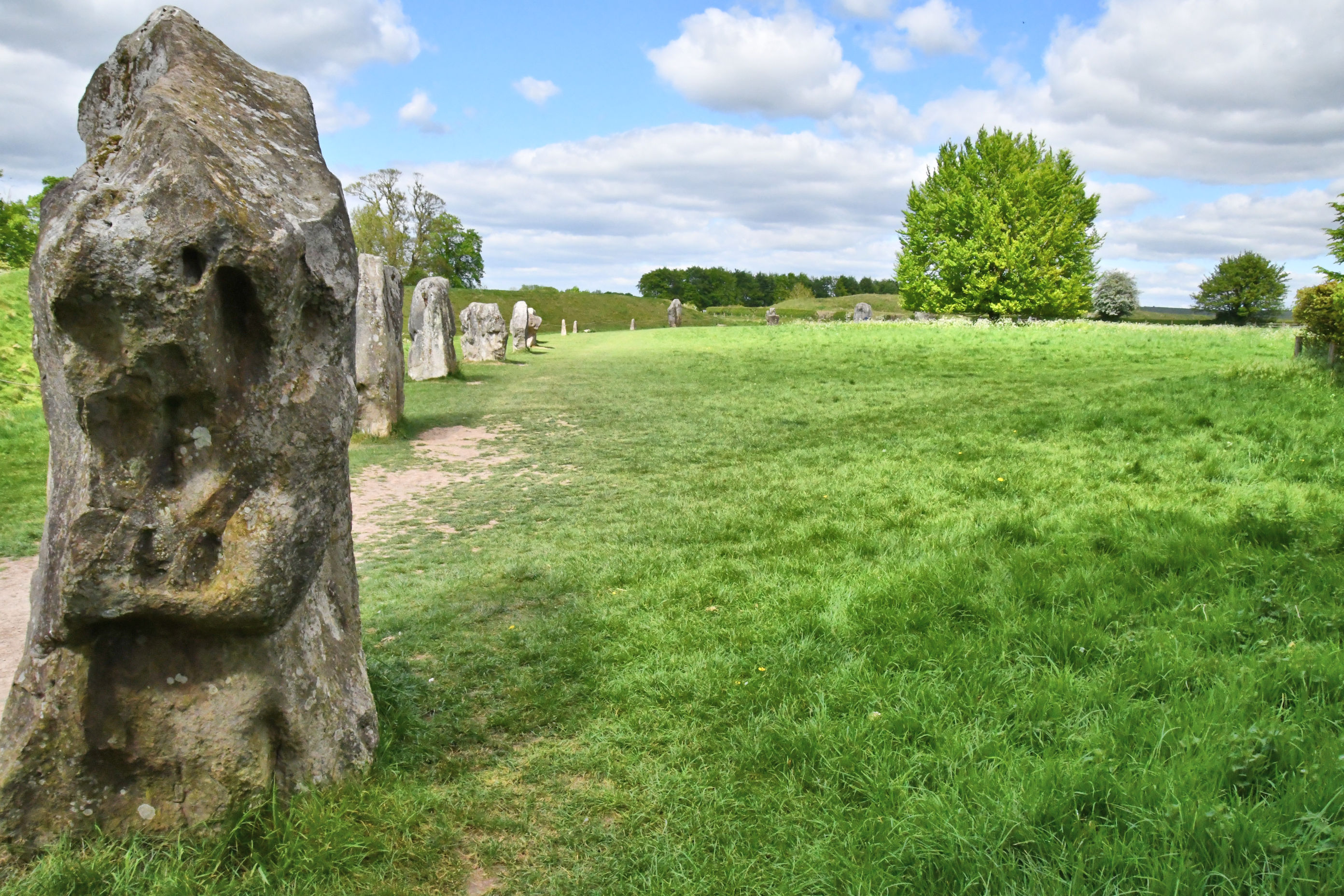

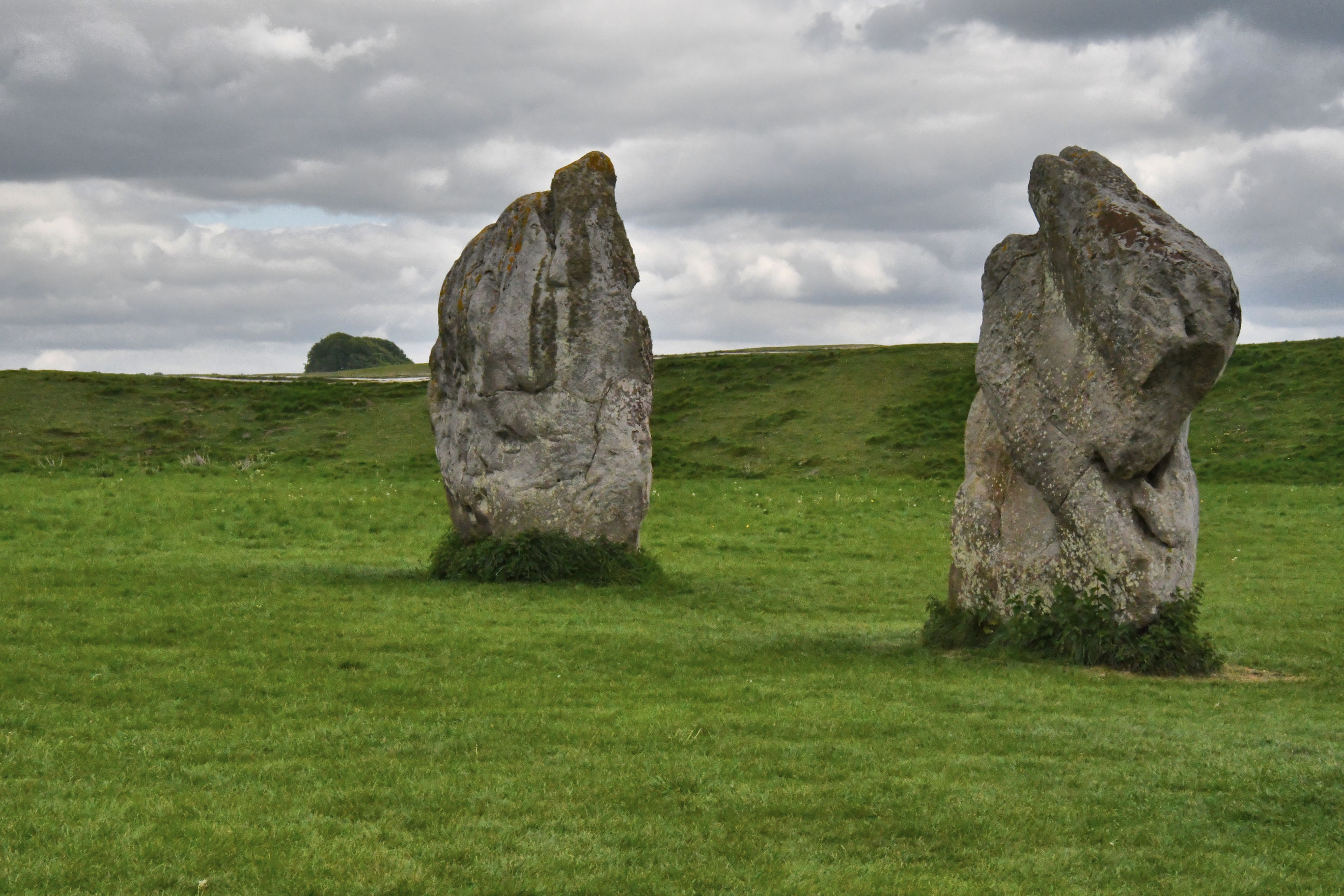
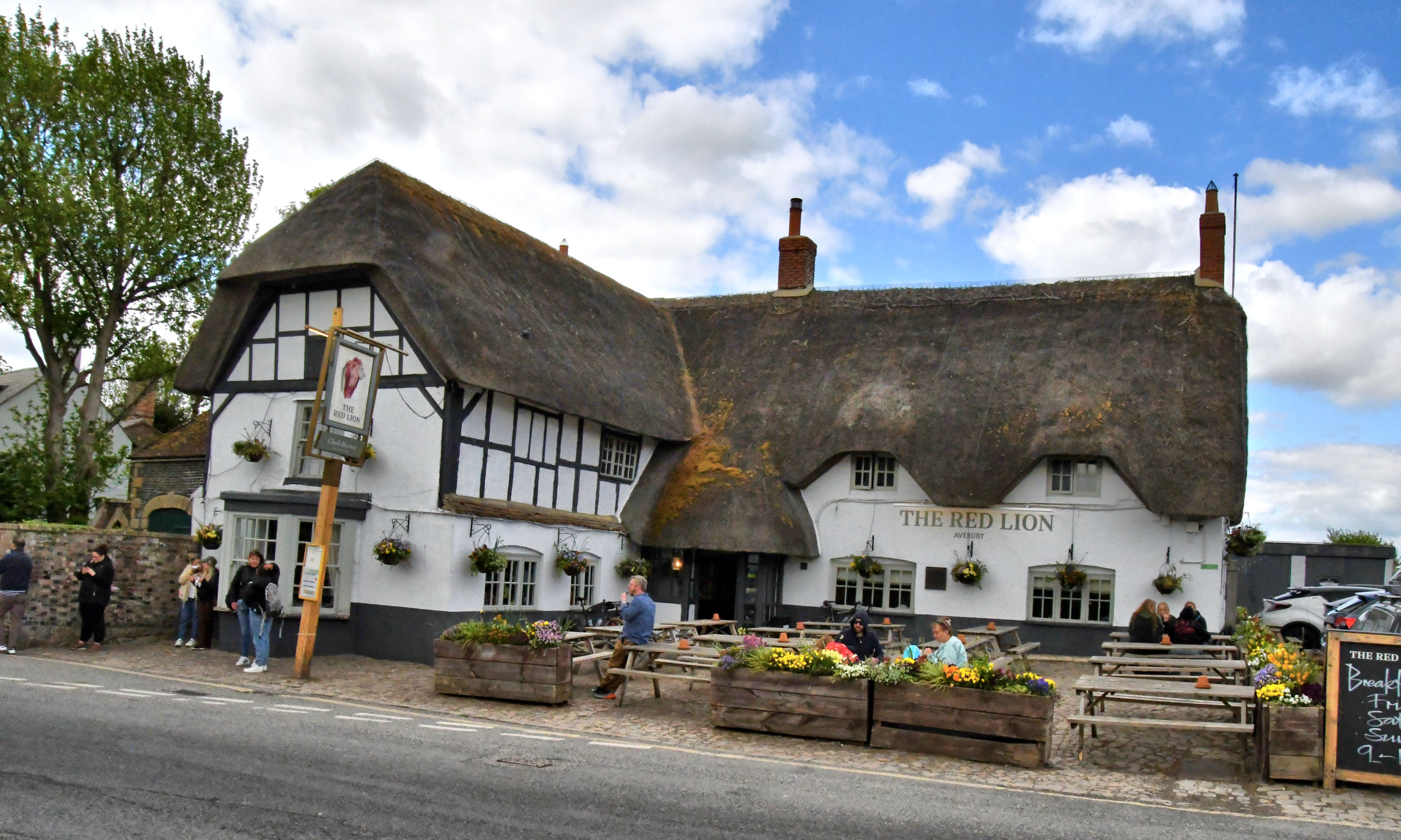
As you may have noticed, our stunning streak of warm and sunny weather was leaving us. Out in the circle it was windy and cool, and I had my heart set on stopping for at least a moment at the Red Lion. The weather encouraged us to leave the stones. I had a beer at the only pub in the world inside a stone circle. I think that’s a good enough reason to stop inside.

We returned to the road once more. At this point we were only 30 minutes from our lodging, at the Sign of the Angel in Lacock. We had mentioned to multiple people that we would end the day in Lacock, and three different people had mentioned at different times, “Oh will you be staying at the Sign of the Angel?” This trip had been entirely my planning, and my companion was simply along for the ride. Margaret was delighted to realize the room for the night would be at such a loved and well-known place.

 Conscious Engagement
I’m having such fun reading your posts, Crystal, even though I’m not commenting on all of them. How lucky that you’ve had such lovely weather at the start of your trip. A pity it didn’t last, and although I’m sure the wind was cold, these photos of Avebury Henge are made extra beautiful with those dramatic clouds.
You are so right about the dramatic skies above the dramatic rocks, Jolandi. I’m glad you are enjoying the journey with me. I thought of you while writing about the henges, due to your background. These ancient sites are more special to me after having several archaeology and anthropology classes in college. I was grateful to have packed a variety of warm- and cool-weather clothing. Margaret was grateful for the use of my merino-possum wool sweater that I recently brought back from New Zealand. 🙂
Oh yes, I do love these ancient stones and monuments, Crystal. There is a fantastic site in Portugal called Megalítico dos Almendres near Évora, which is surrounded by cork forest and where one can be all alone, as it is not on the usual tourist trail. A magical space, especially early in the morning, although I suspect that it will be magical no matter when one visits.
I love that your purchase from New Zealand came in handy on this trip. I often buy something when I travel that I can use to remind me of a specific trip on a regular basis.
I love Avebury, and the Red Lion, much better than Stonehenge I think ,as you can touch the stones and walk around them. Loving your blogs Crystal. J
I should have written that, Jackie; that we could touch the stones. Something inside me made that irresistible. Just to reach out and touch this stone placed here incomprehensibly long ago, by humans I can barely imagine. It makes me feel connected to my ancestors. So glad that you are still along with me on my journey. 🙂
Another well photographed tour with your usual impressive information gathering. I did notice the weather had gone off, but at least you were dry
We stayed dry! Margaret was happy to use my merino-possum wool sweater that I brought home from New Zealand. In fact, during our entire trip, we barely felt a few raindrops – never got rained out from anything.