
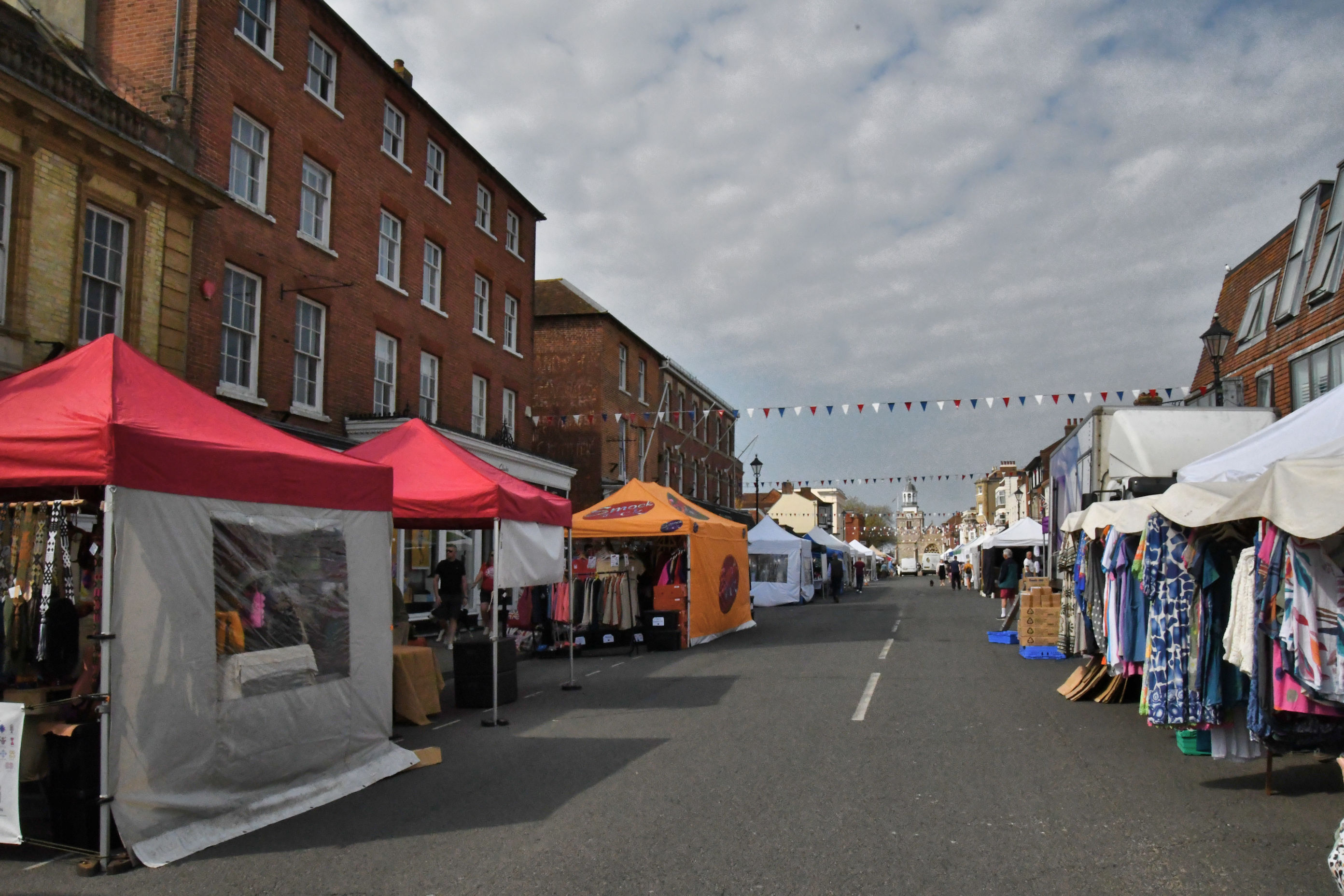
Having learned about the Lymington market from Derrick’s blog, I was eager to see it Saturday morning. Margaret and I found a place to park that was very close, and walked up High Street perusing stalls. The market is here every Saturday with stalls selling plants, baked goods, produce, household goods, clothing, gin, spices, books…you get the idea. Depending on the source, there are from 60 to 90 stalls selling goods (perhaps the number depends on the season).
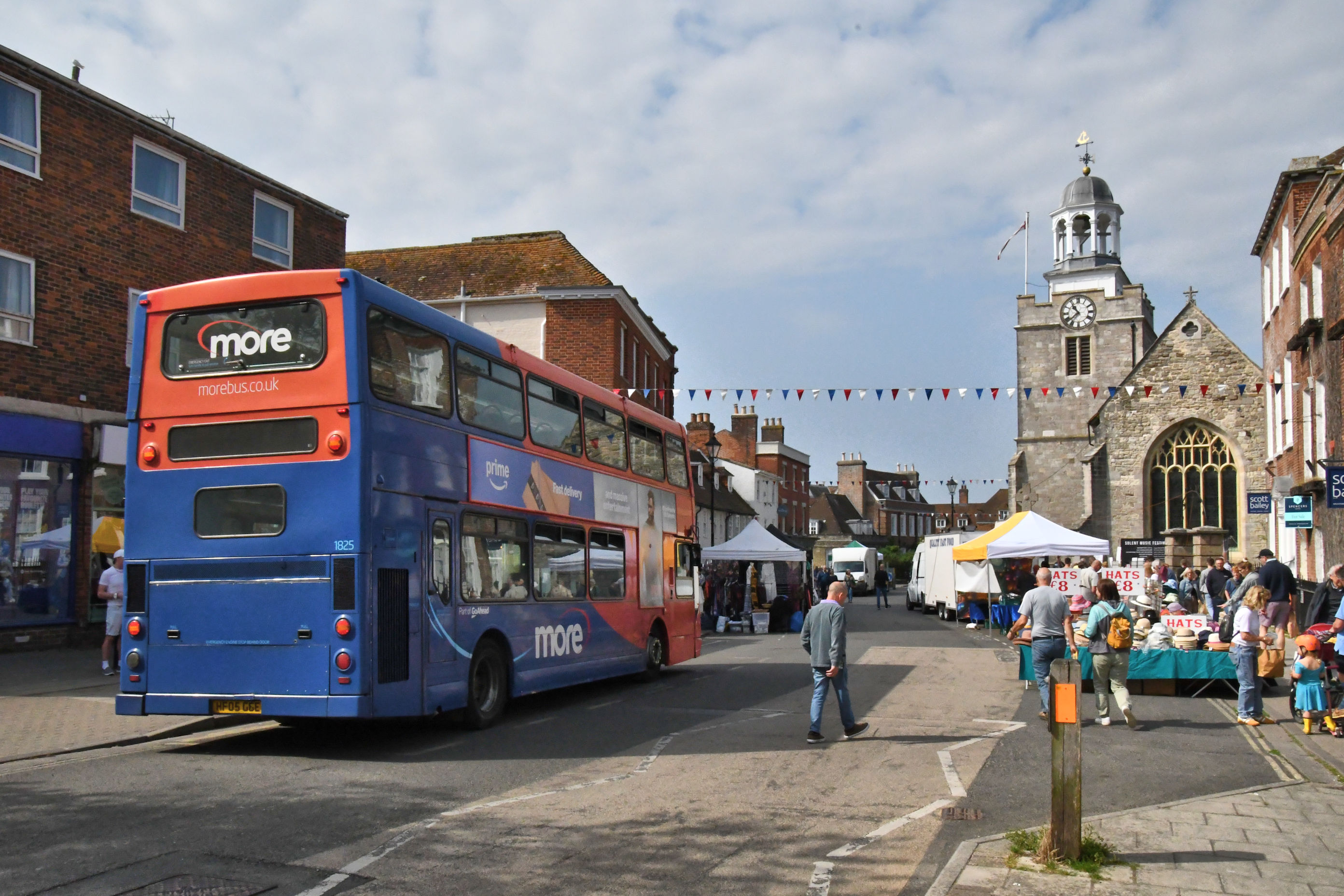
The earliest record of the market is 1216 in the Gazetteer of Markets and Fairs in England and Wales. The Market was granted a Charter (a document providing certain rights to the people of the town) on 12th June 1257, which enabled Medieval Lymington to hold its own market. The High Street was deliberately designed to be wide enough for a market to be held regularly and this can still be seen in the current imposing Georgian architecture that lines both sides of the High Street, from the Quay in the East and up to St. Thomas Church which holds a commanding position in the West.
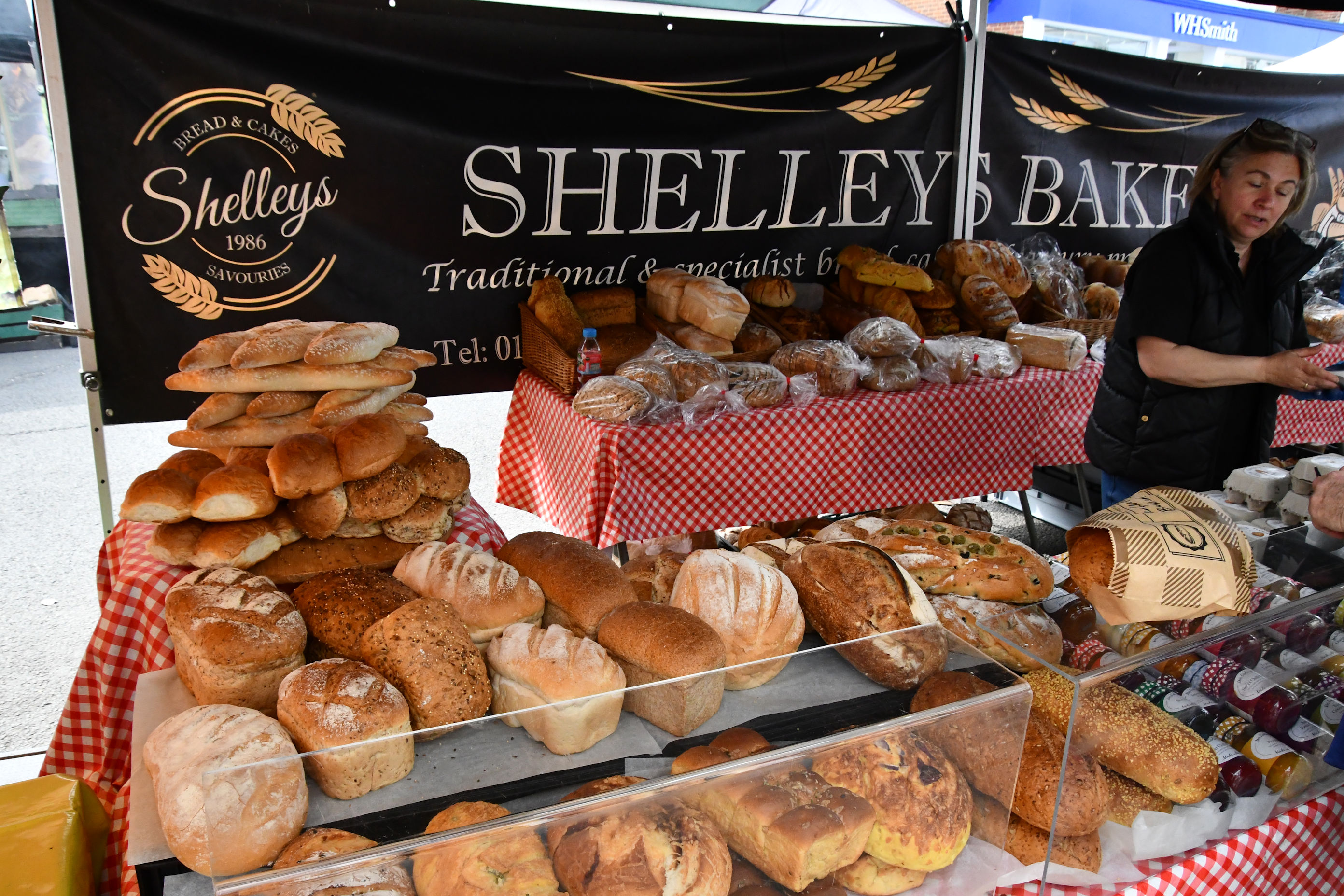

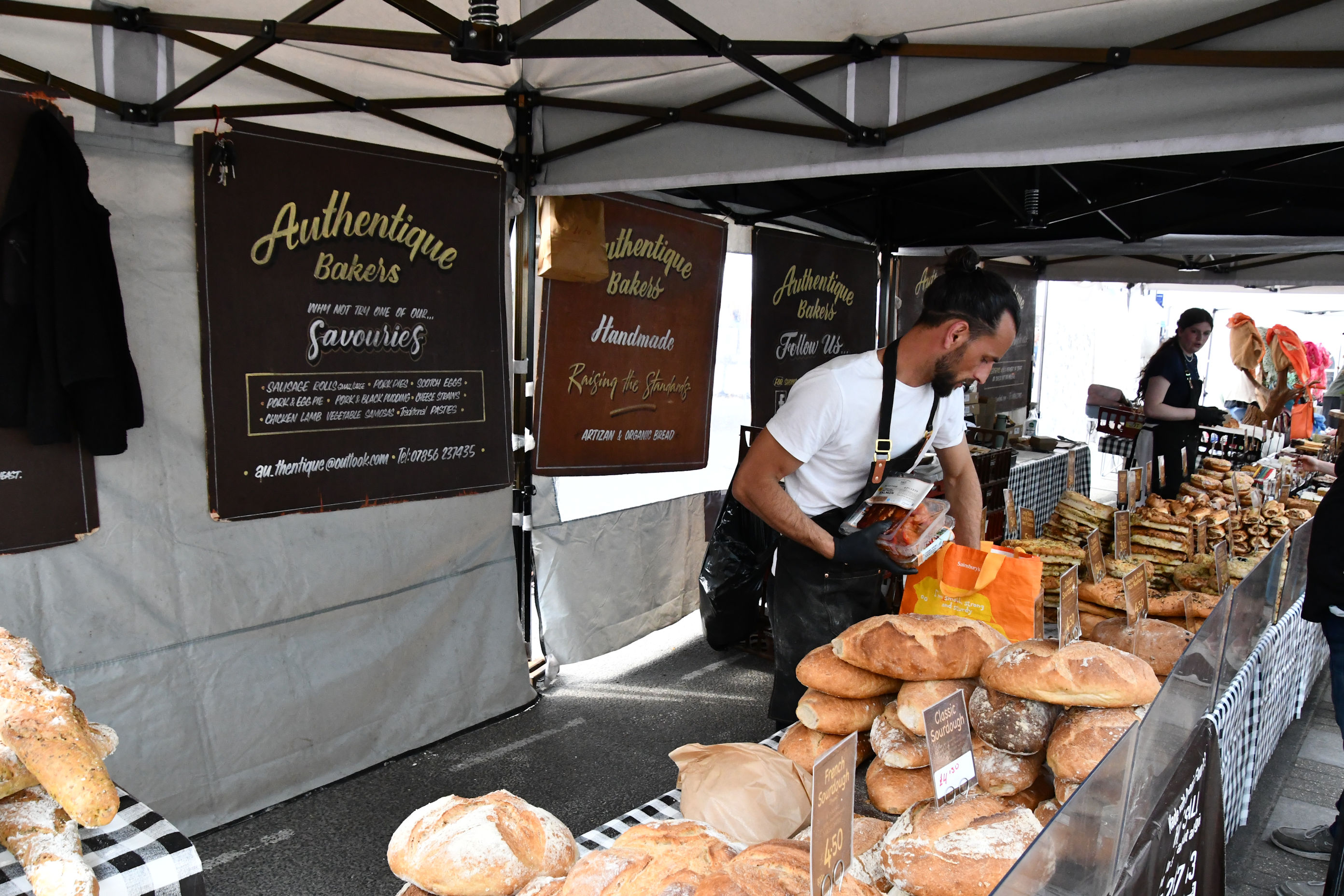
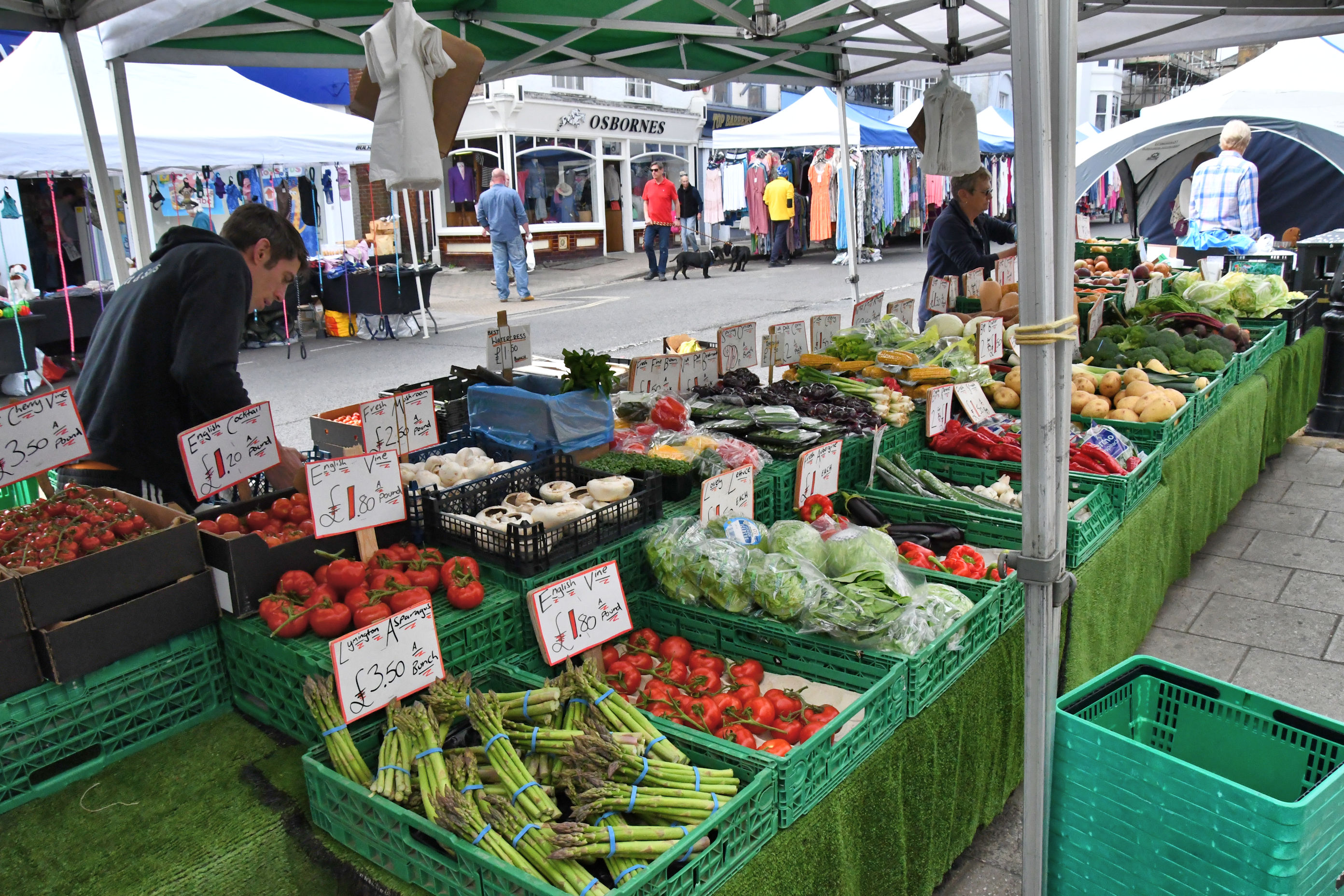
Margaret and I wandered around, enjoying the town of Lymington, which Jackie had taught me to pronounce properly, as “limmington.”


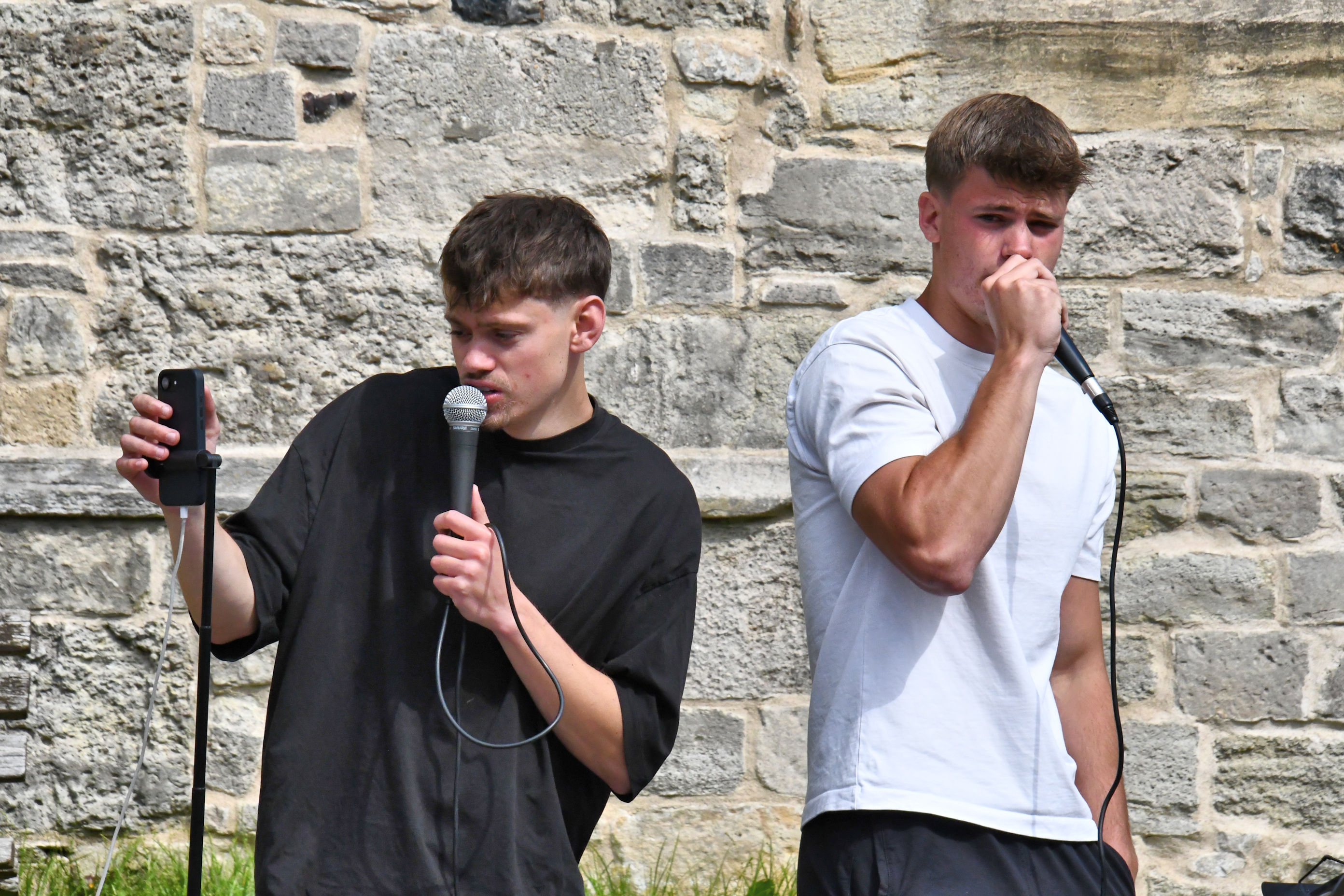
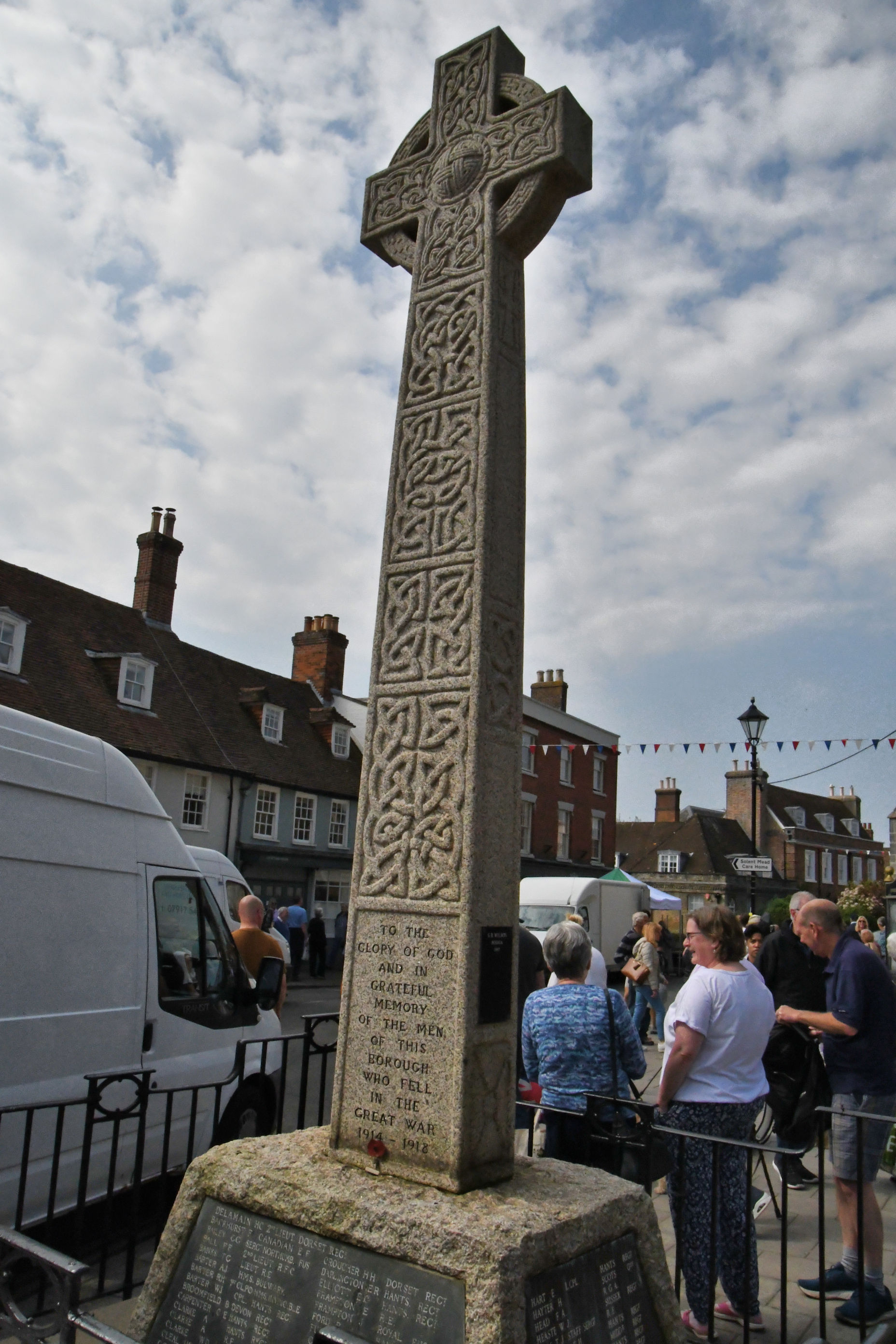


Next we drove a short distance East to the town of Beaulieu. I had read that their National Motor Museum is a big tourist draw. I am not a particular fan of automobiles, but we were there, so we both felt it was worth taking a look. One thing Margaret and I agree on is that doing the same type of activities can get boring fast. For example, cathedrals are always excellent, but if you’re seeing your fifth cathedral in a day or two, eyes tend to gloss over.
As we approached, we saw many signs heralding the big Spring Fair sponsored by BBC Gardeners’ World. I did not want to go to a fair! I did not want to join thousands of people! But as we drew close, it became clear that the fair was going to be at or very near the motor museum. I fretted and cursed our bad luck. Margaret helped me turn it around. “Maybe it’s our good luck!” she said, indicating that clearly this was an event that people attended from far and wide.


Though my anxiety and aggravation bothered me at first, I began to feel better, as parking, queues, paths, and helpful volunteers all made it smooth as butter. There was no charge to park, and they told us that the fee to enter the grounds was actually discounted that weekend. Our ticket would allow us access to the museum as well as the garden show.

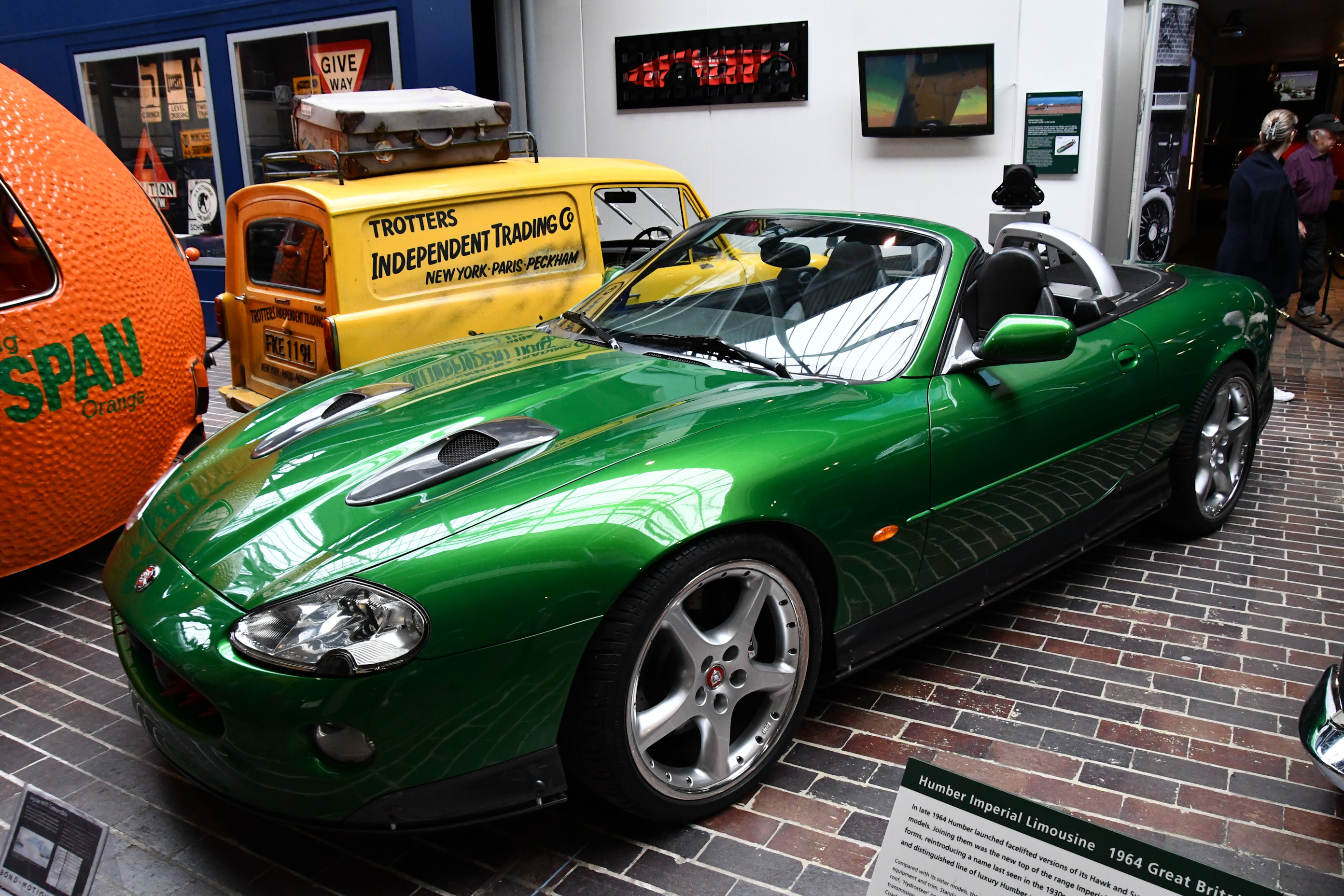
The Beaulieu National Motor Museum has earned its reputation. The collection is so enormous, covering so many aspects of transportation, that I could almost assure you that there is something for everyone inside. It aims to tell the story of motoring by displaying artifacts and vehicles from every stage. There are the earliest autos, and racecars, motorcycles, luxury cars, military trucks, experimental vehicles that break the sound barrier or run with solar power, and even silly vehicles like the one shaped like an orange. A person who loves vehicles could spend all day in there. The two of us, merely curious, spent over an hour.
I have seventy bajillion photos, so I’ll whittle those down somewhat, then put them into a slideshow so they don’t take up much space on your screen, and you can then choose to look or to scroll on past.

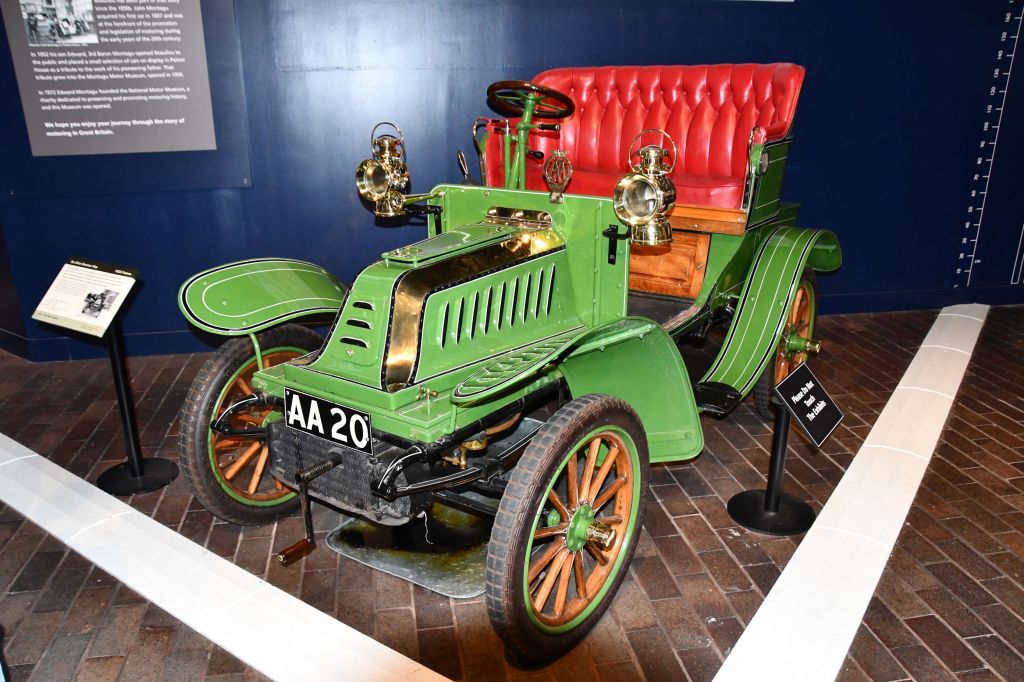

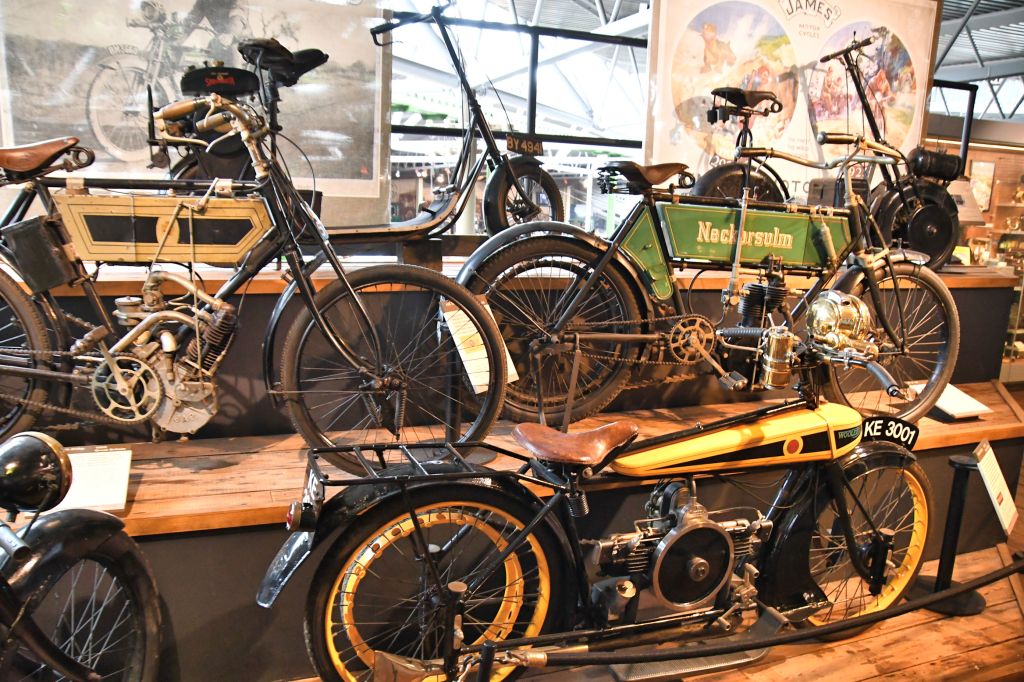


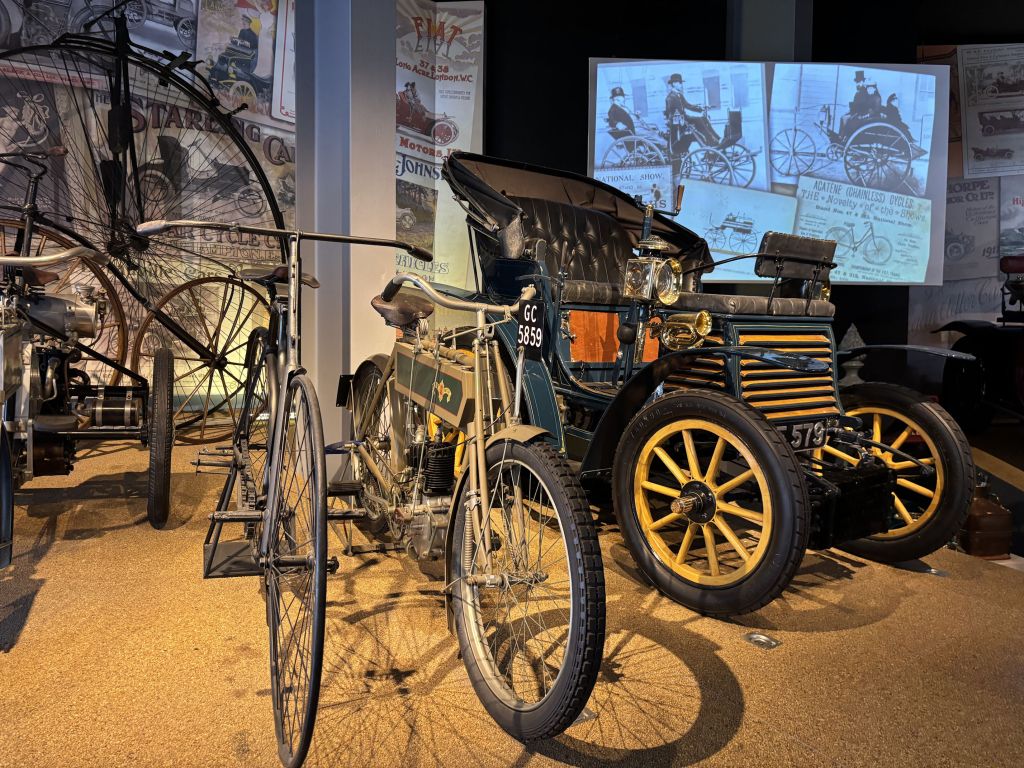
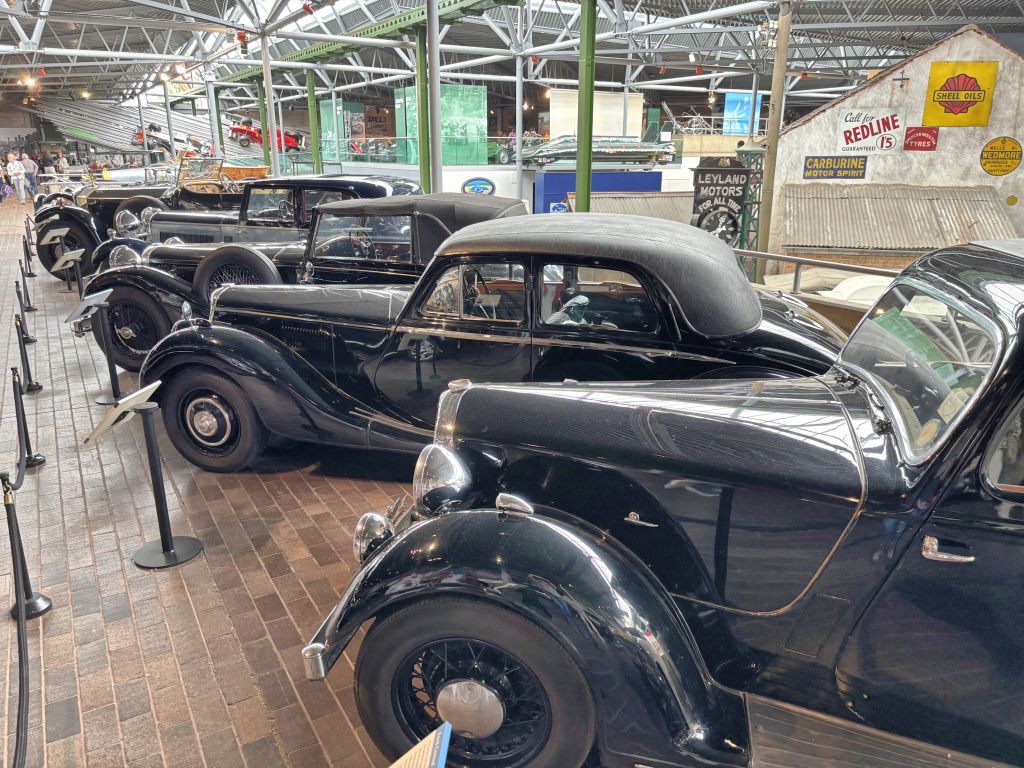
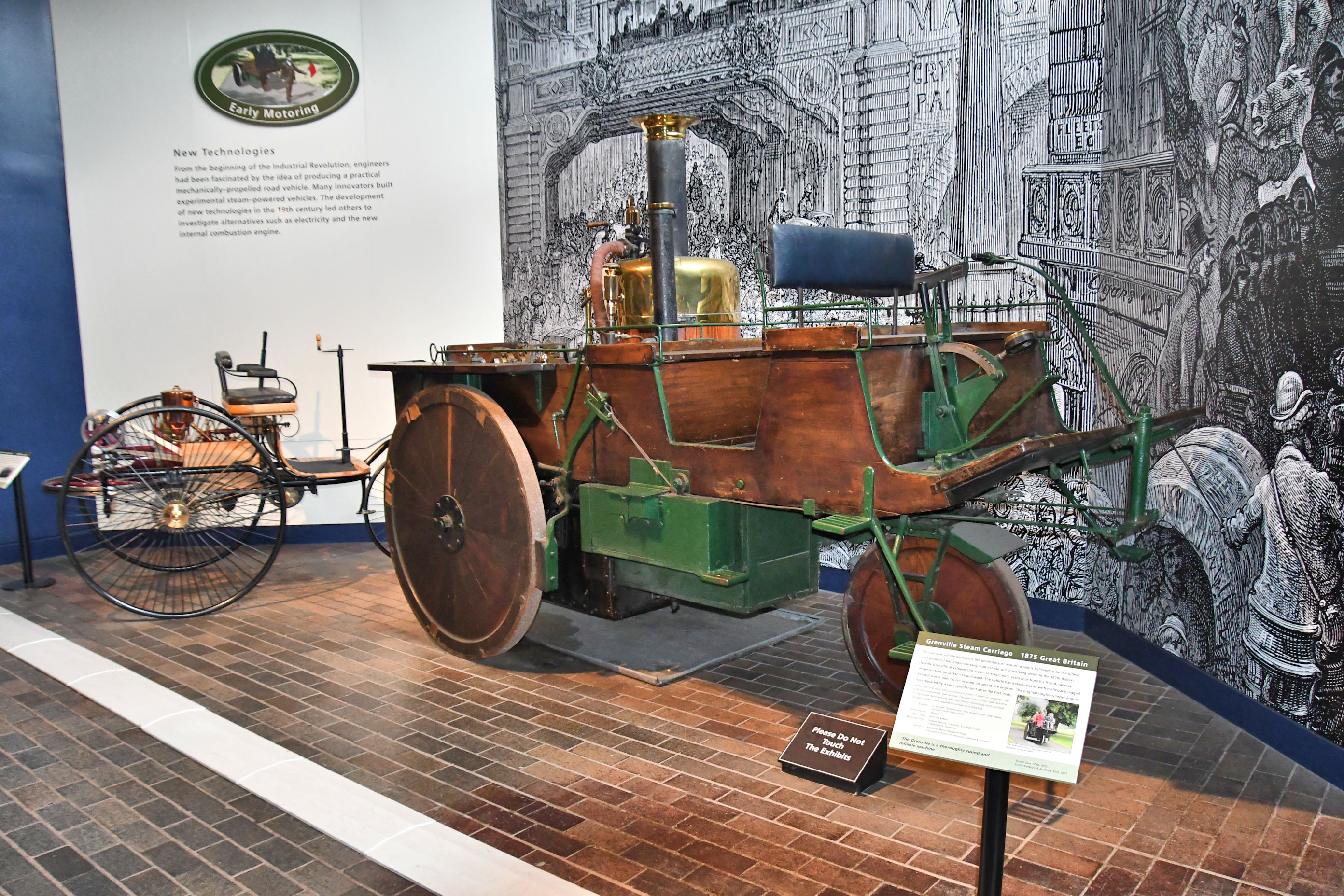
I appreciated the large collection of very old cars, like the Grenville Steam Carriage. The information sign says it is the oldest self-propelled passenger vehicle still in working order. This 2-cylinder vehicle can go 18 miles an hour.

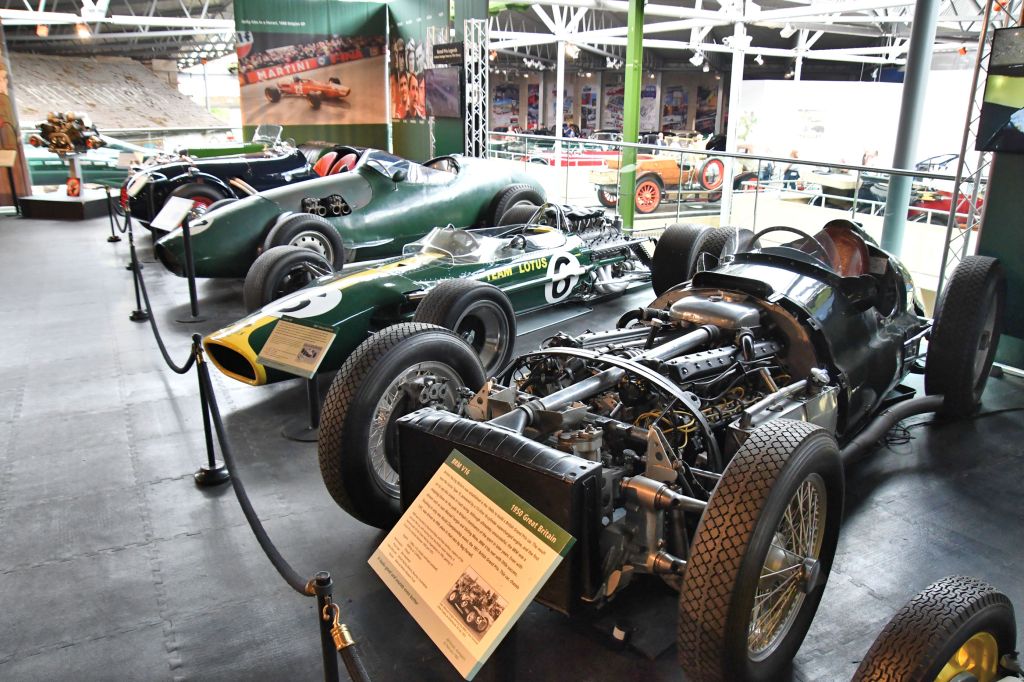


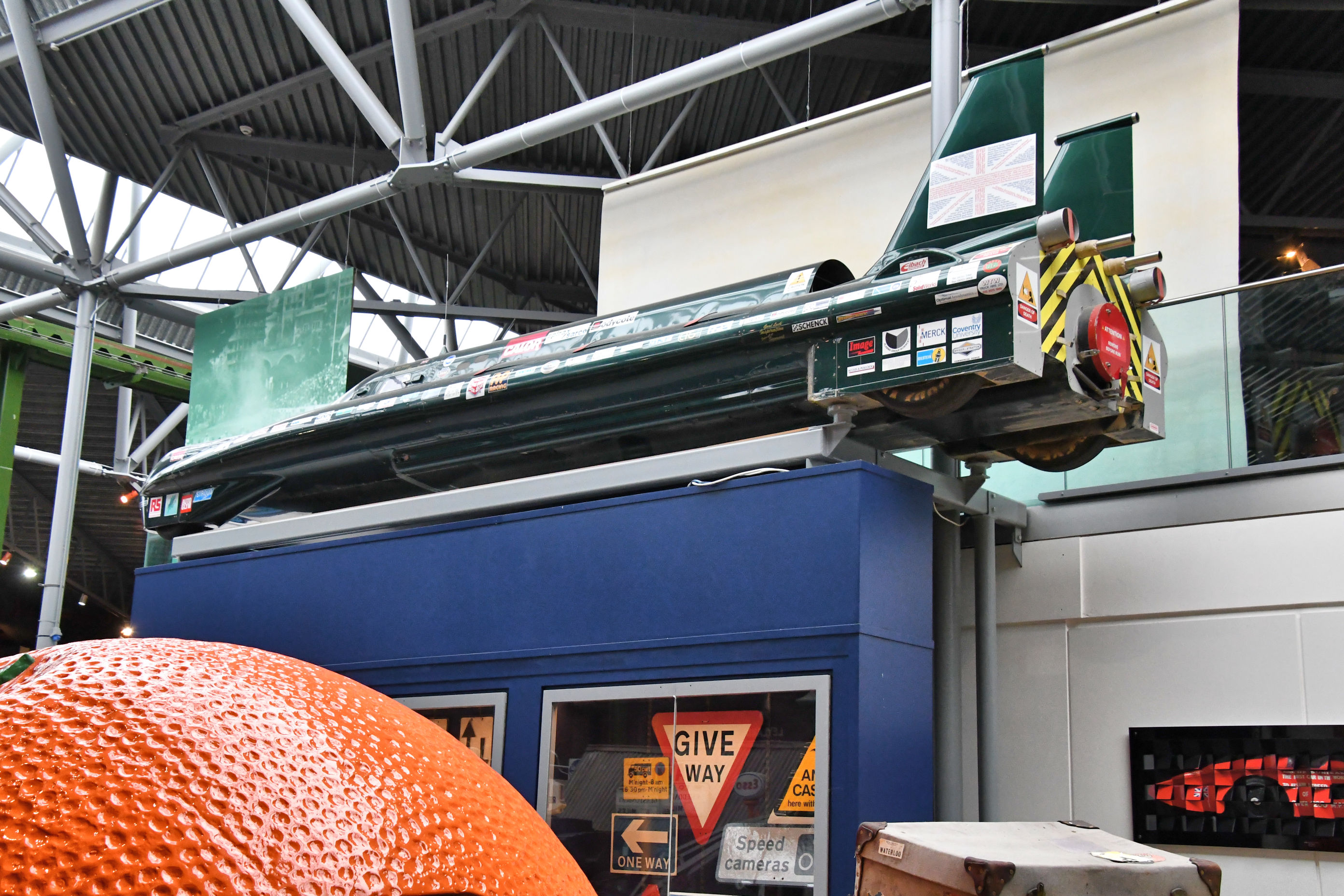
We saw the British Steam Car, the “fastest kettle in the world,” with a land speed record of 127 miles an hour set in 1906. That must have blown peoples’ minds.
From the museum website: “The origins of the National Motor Museum can be traced back to 1952 when Edward, 3rd Baron Montagu of Beaulieu opened Palace House to the Public. Five veteran cars were displayed in the entrance as a tribute to his father, John, 2nd Baron Montagu of Beaulieu. John Scott Montagu was himself a motoring pioneer have campaigned for motorists in Parliament. In 1899 John Scott Montagu drove the first car to enter the yard of the House of Commons at Westminster, his recently acquired 12hp Daimler. In 1902 John Scott Montagu launched the weekly journal: The Car Illustrated and the monthly journal The Car.”


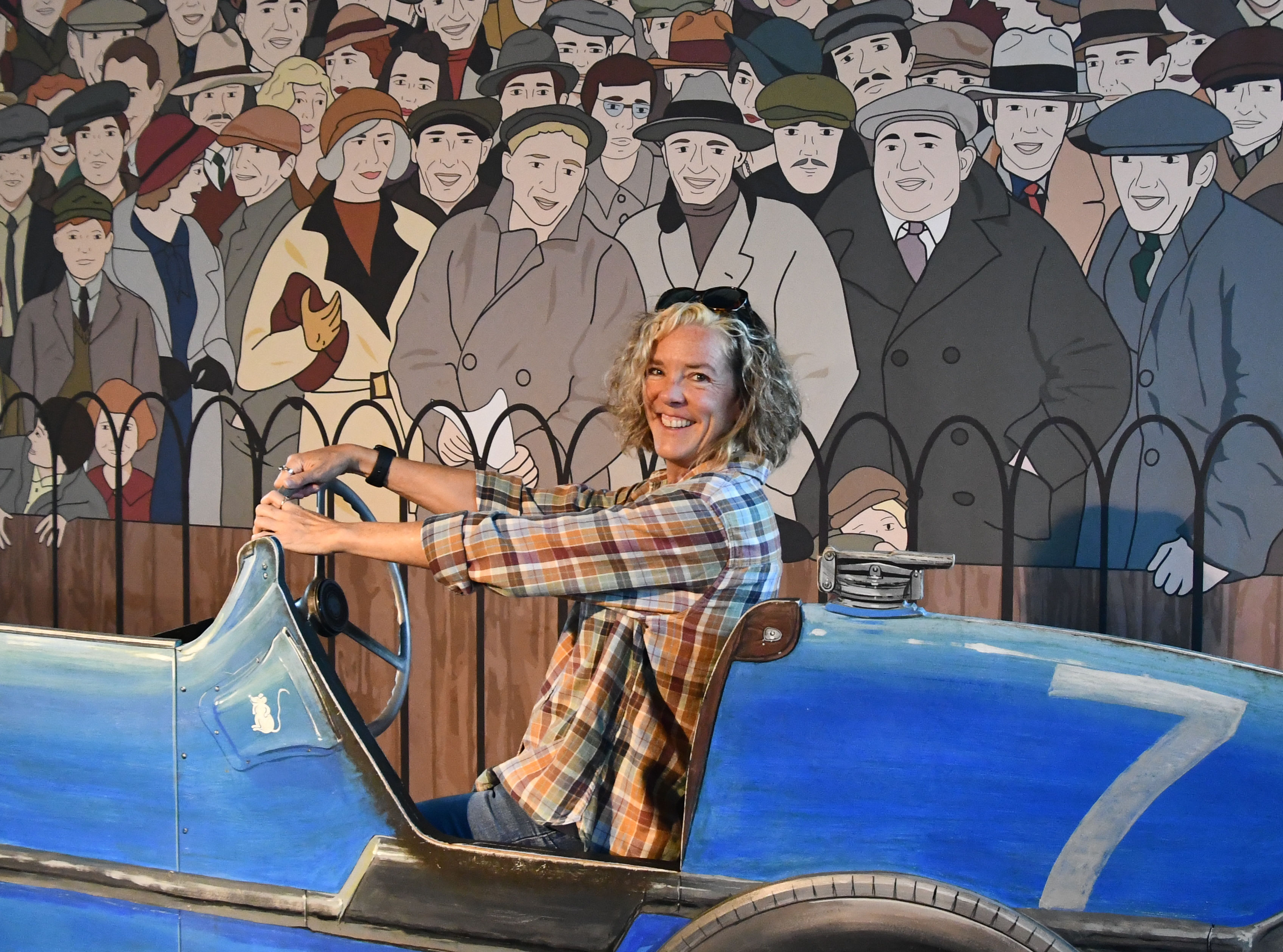


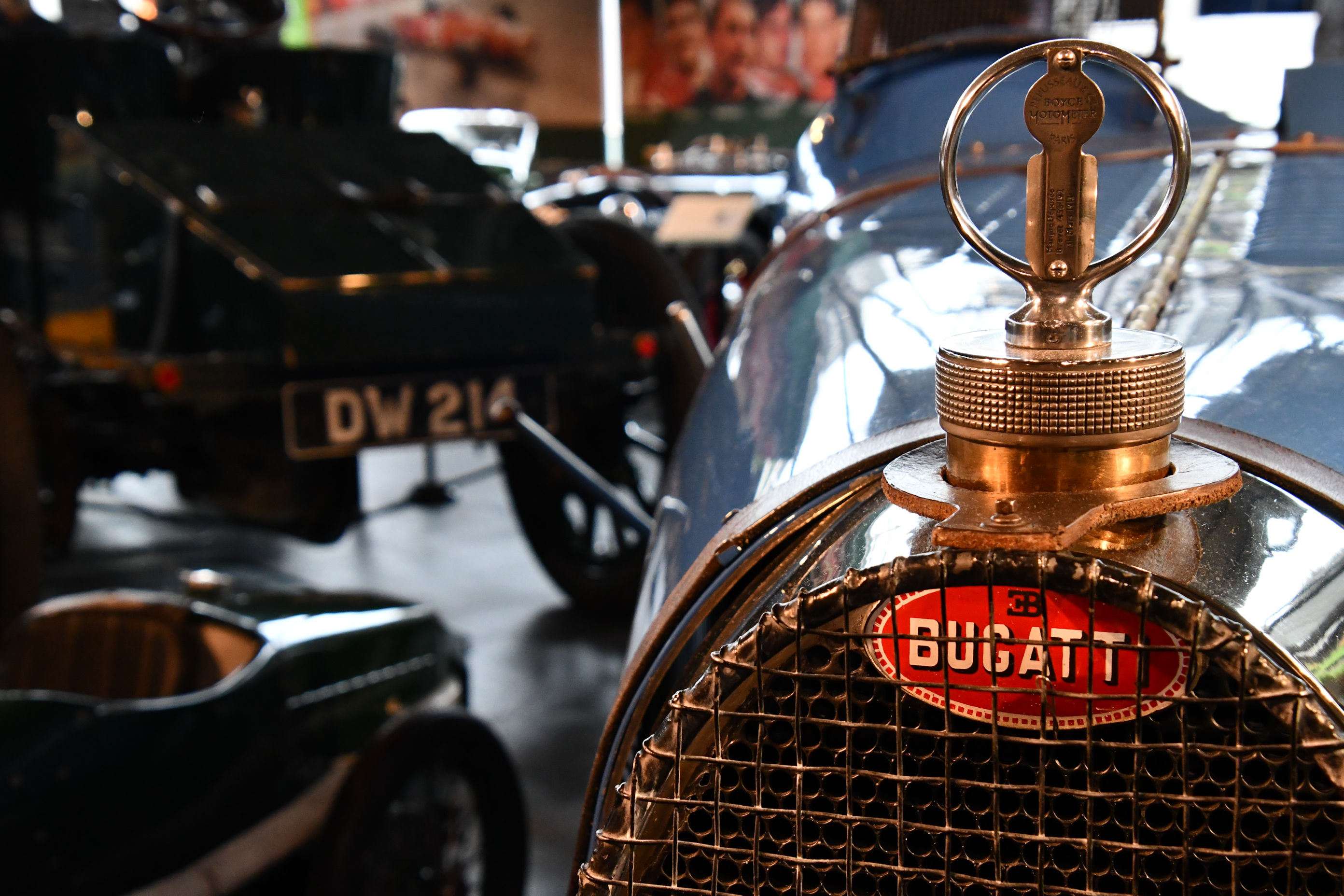


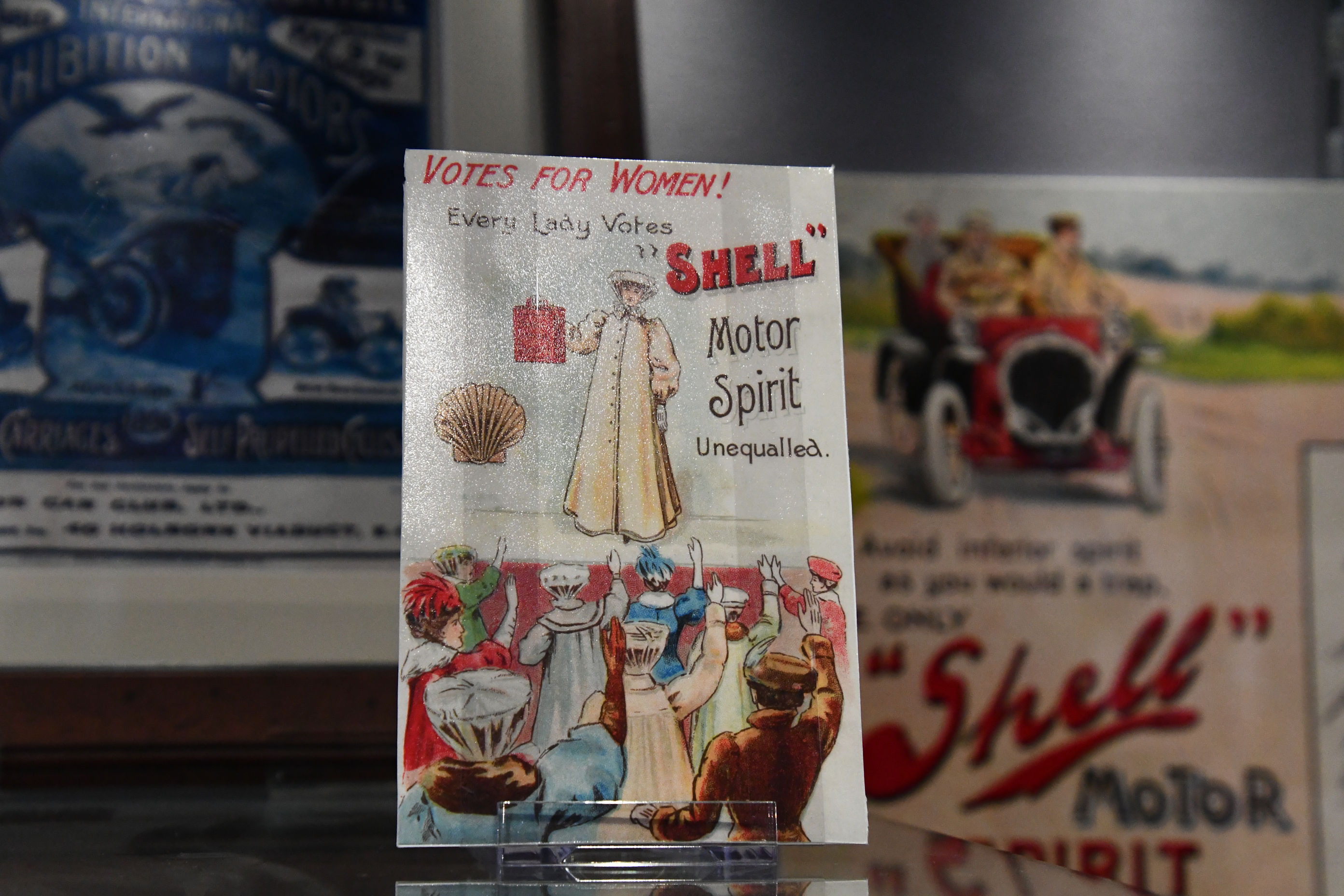


I laughed to read about the Kennard Mackintosh, an effective and practical outfit designed by a real lady motorist! Who wouldn’t want to wear this bee-keeping tent while driving?
OK, that’s enough photos.
We spent several more hours in Beaulieu, but I’ll leave you for now and let you get on with your day.

 Conscious Engagement
I am glad you went to the motor museum. I enjoy seeing the cars from the past.
Thanks for being a goof ball to make me smile Crystal 😁
It was an excellent museum! I am glad we went. I’m also happy that it’s so easy to make you smile. 🙂
Ain’t that the truth 😉
A splendid coverage of a town I know well and a museum I have never entered. You and Margaret captured the attention of that great crowd
Now you don’t have to go to the museum, if you don’t want to, ha ha! And if anyone asks what you think of it, you have a little more information now. That crowd could not take their eyes off us!!
🙂
Such a fun place to visit, and goof around at- oh and it sure made for a nice post. Also, I like learning little things and I never would have guessed that Beaulieu is pronounced “bew lee.
Don’t I know it! Once the employee at the museum told me the pronunciation, I was doubly glad I had asked, because any number of guesses wouldn’t have got it right. I admit I had a lot more fun at the motor museum than I expected to.
🙂