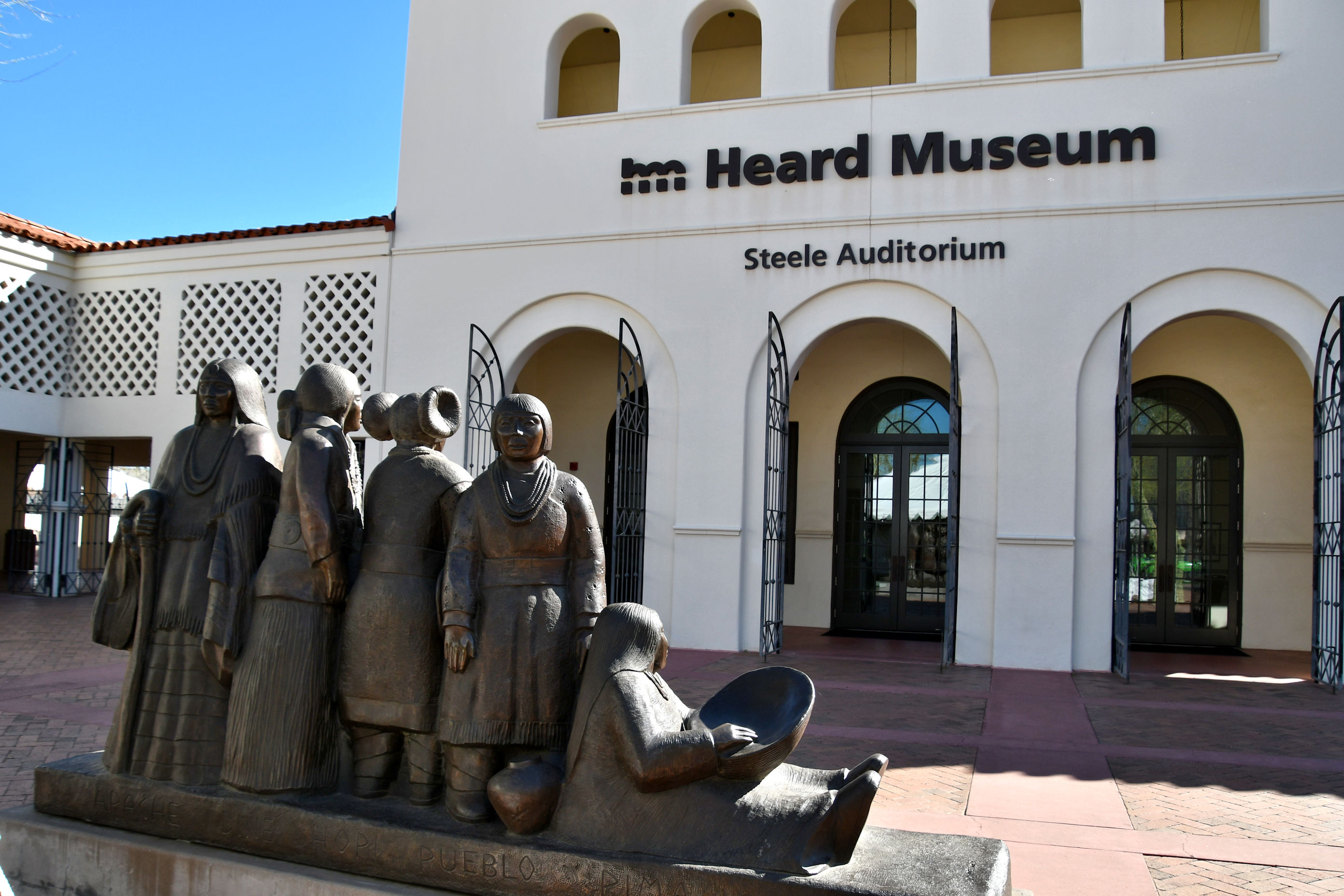
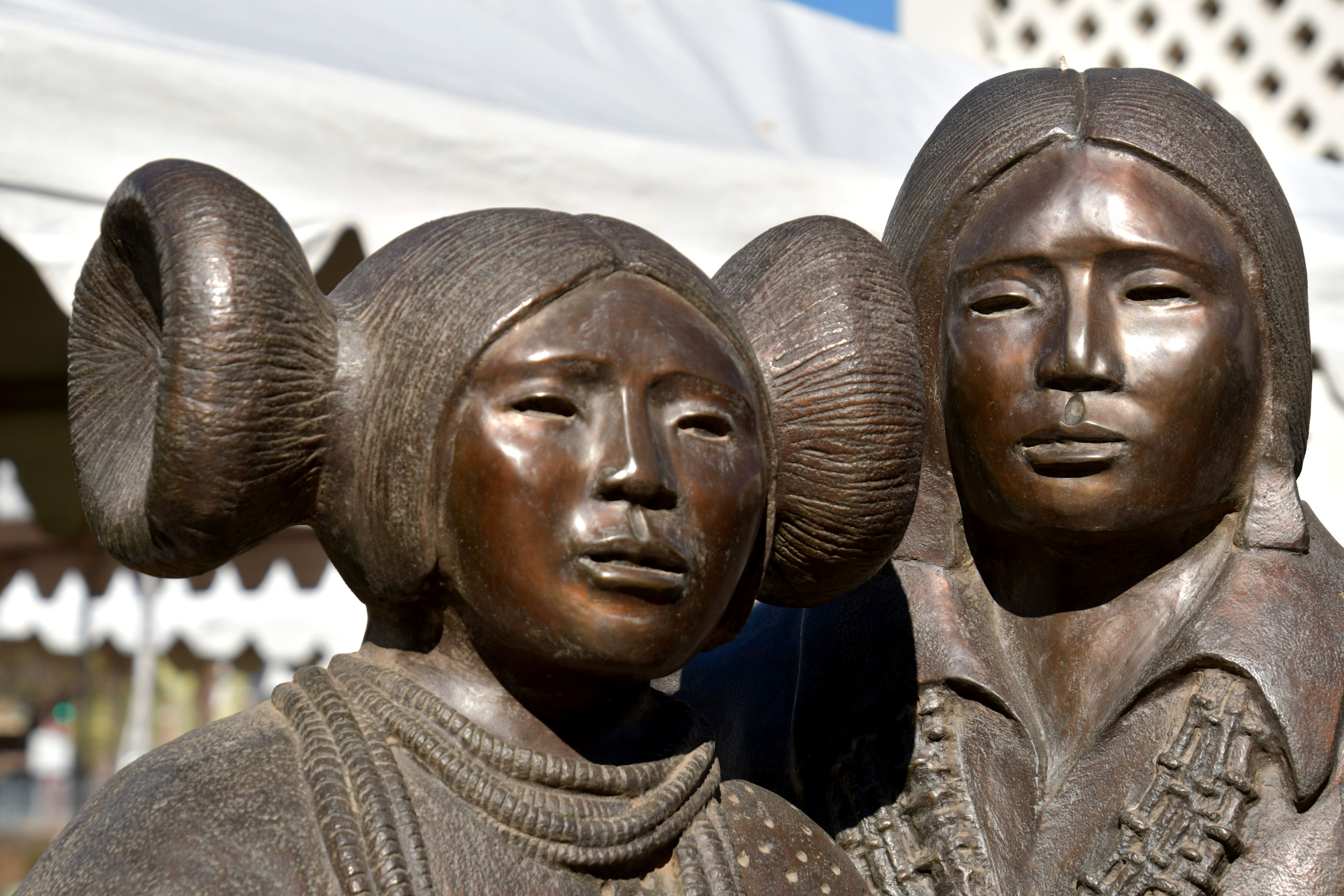
One thing I love to do if I can pull it off, is to travel to the southwest United States during February or March, and hopefully experience a little breath of Spring a couple months before it arrives at my home. I managed that trip this year, and got a bit of Winter and Spring both. The important part though, was the people I visited.
My friend Marlene provided the impetus for a visit. My former supervisor and his wife, Bill & Mikki, offered their home as I moved to and from the airport, and my cousin David offered to show me his favourite desert photography spots. All these stories will come up in future posts. Today, though, I have more than enough photos of the excellent Heard Museum in Phoenix.
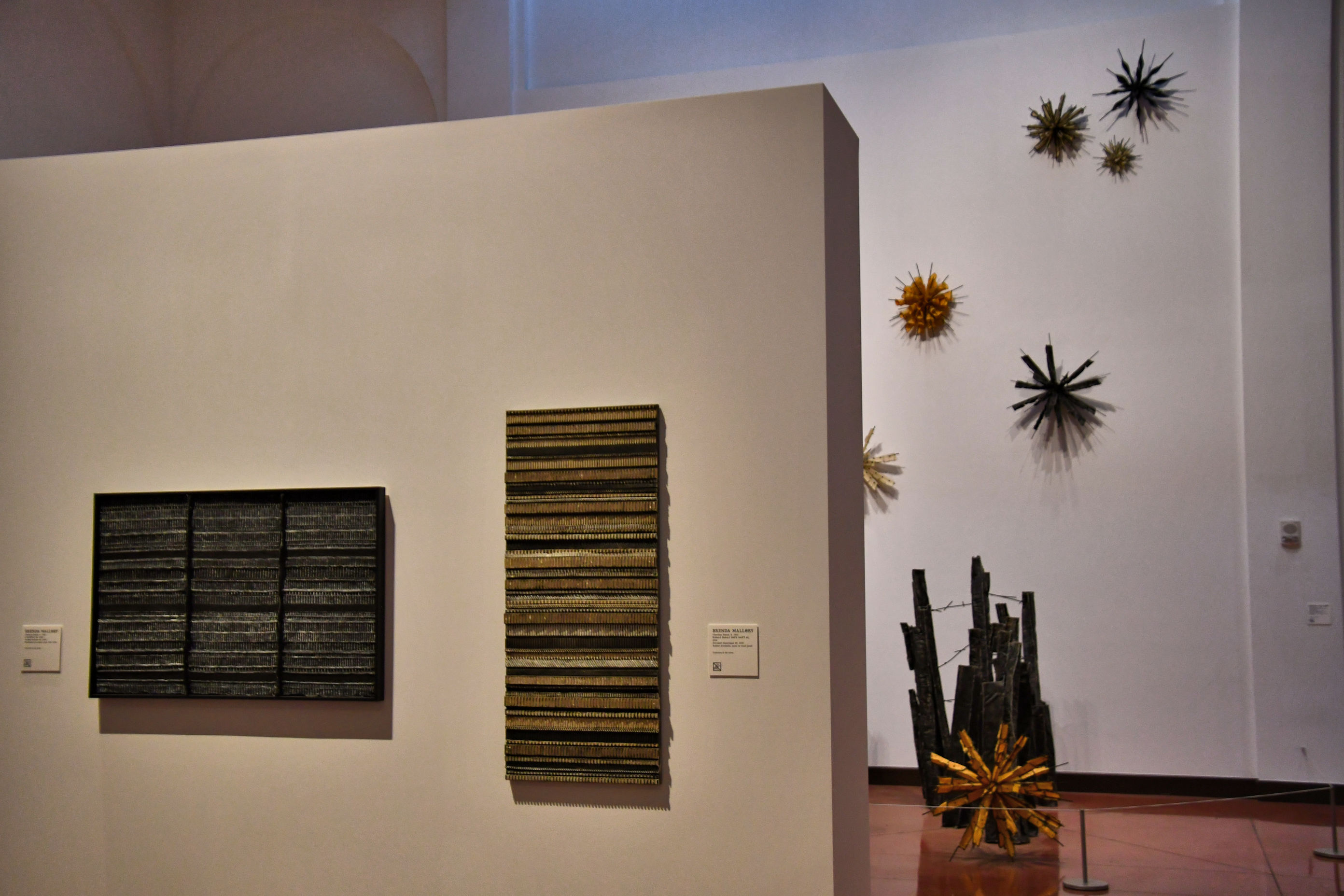
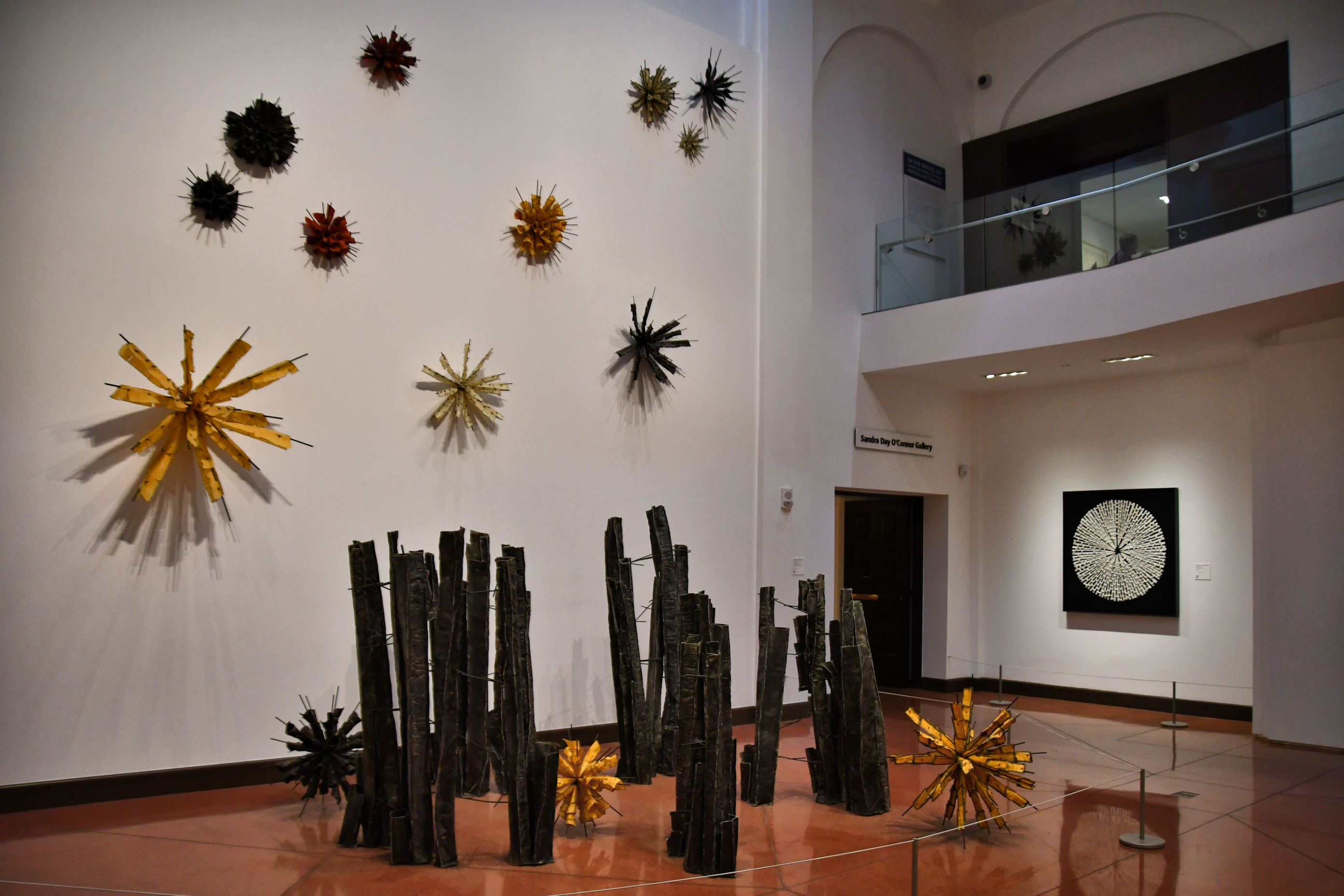
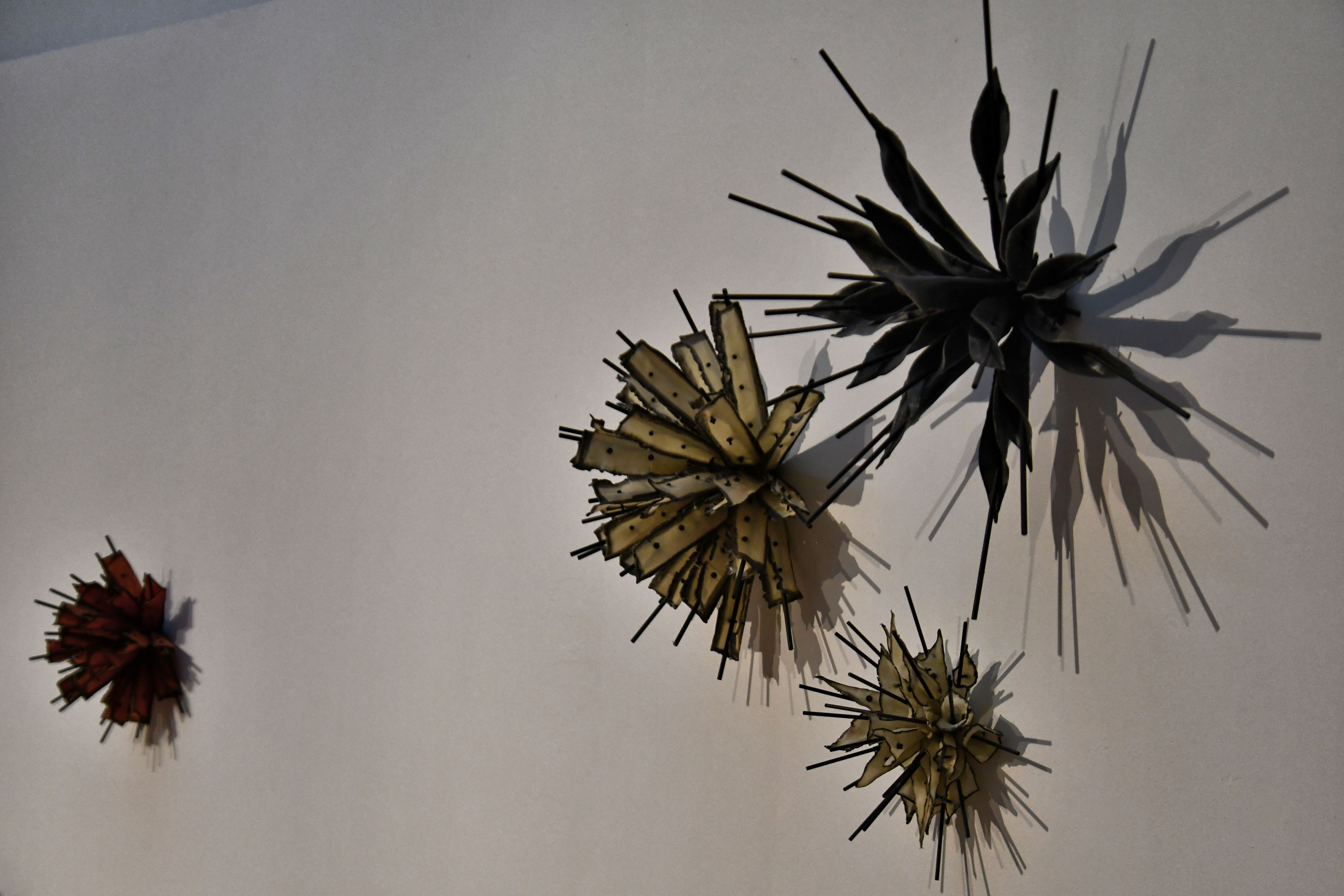
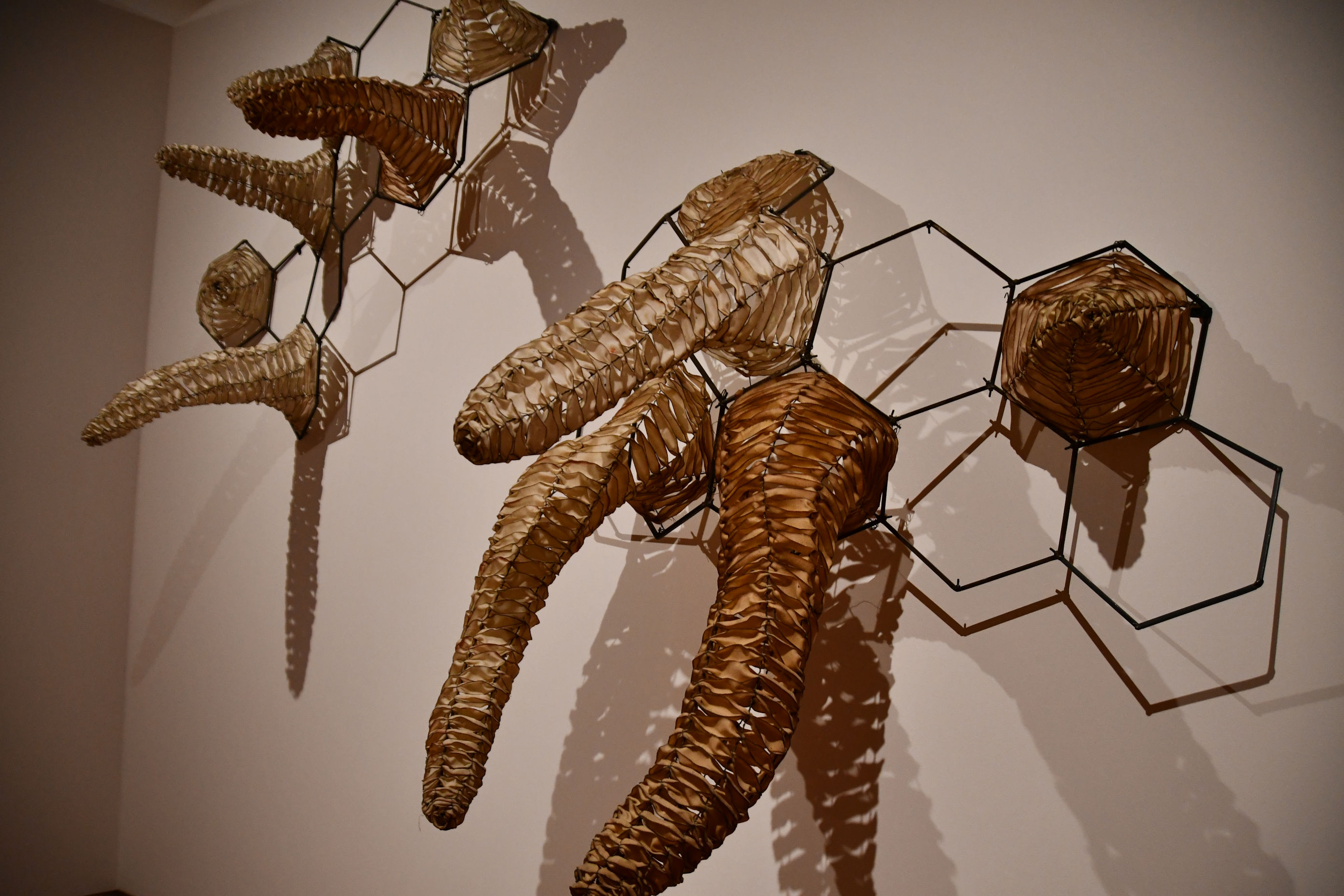
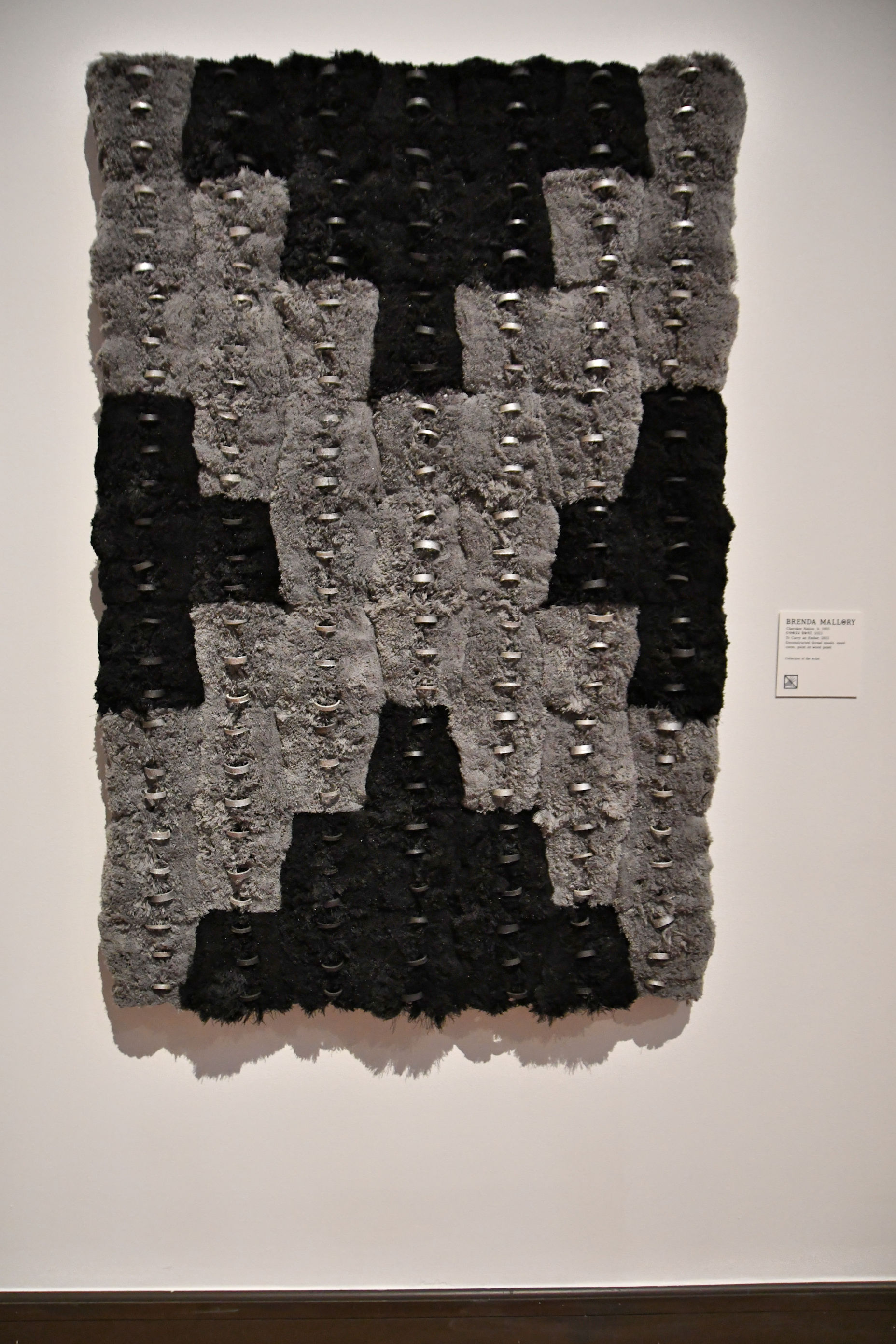
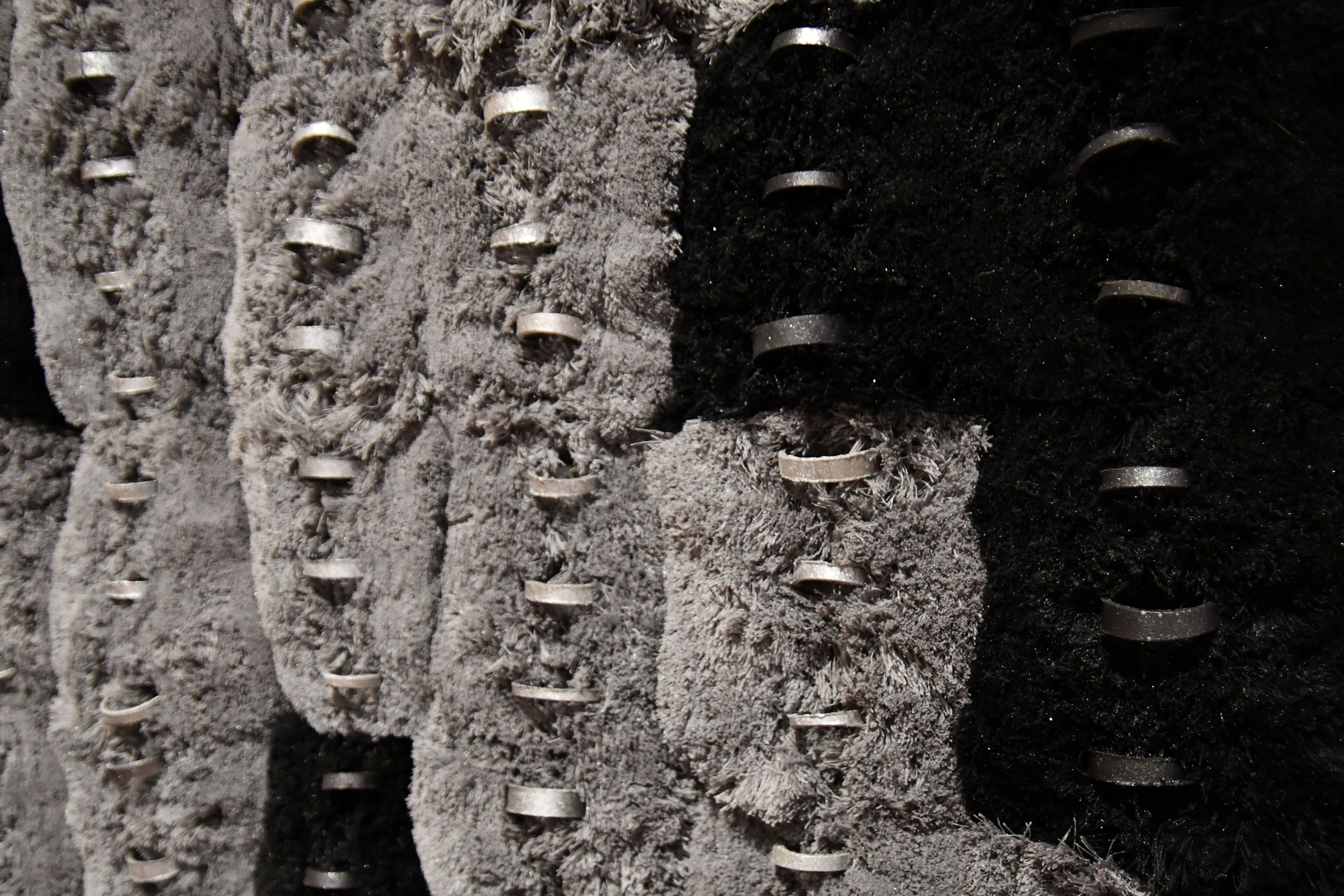
Believe it or not, I went to the museum for yet another friend. How blessed I am to find so many people in my life to love and admire. Brenda Mallory is a fellow Cherokee and regularly attends Mt. Hood Cherokees meetings with me. I have admired her sculpture for years and try to support her work when I can. She has had an installation at the Heard Museum for nearly a year, and it will be up through the end of March. I had arrived in time to see it, so of course I had to stop there.
The Heard Museum was founded in 1929, and is dedicated to promoting the voice and vision of United States Native artists. Tribal members have free admission with a tribal ID card. I was more than happy to flash mine at the entrance. It has been years since I visited this museum, and I did not remember how beautiful the grounds are. On this particular visit, a lot of the outside was obscured because they were setting up for the Indian Fair and Market, so there were tents everywhere.
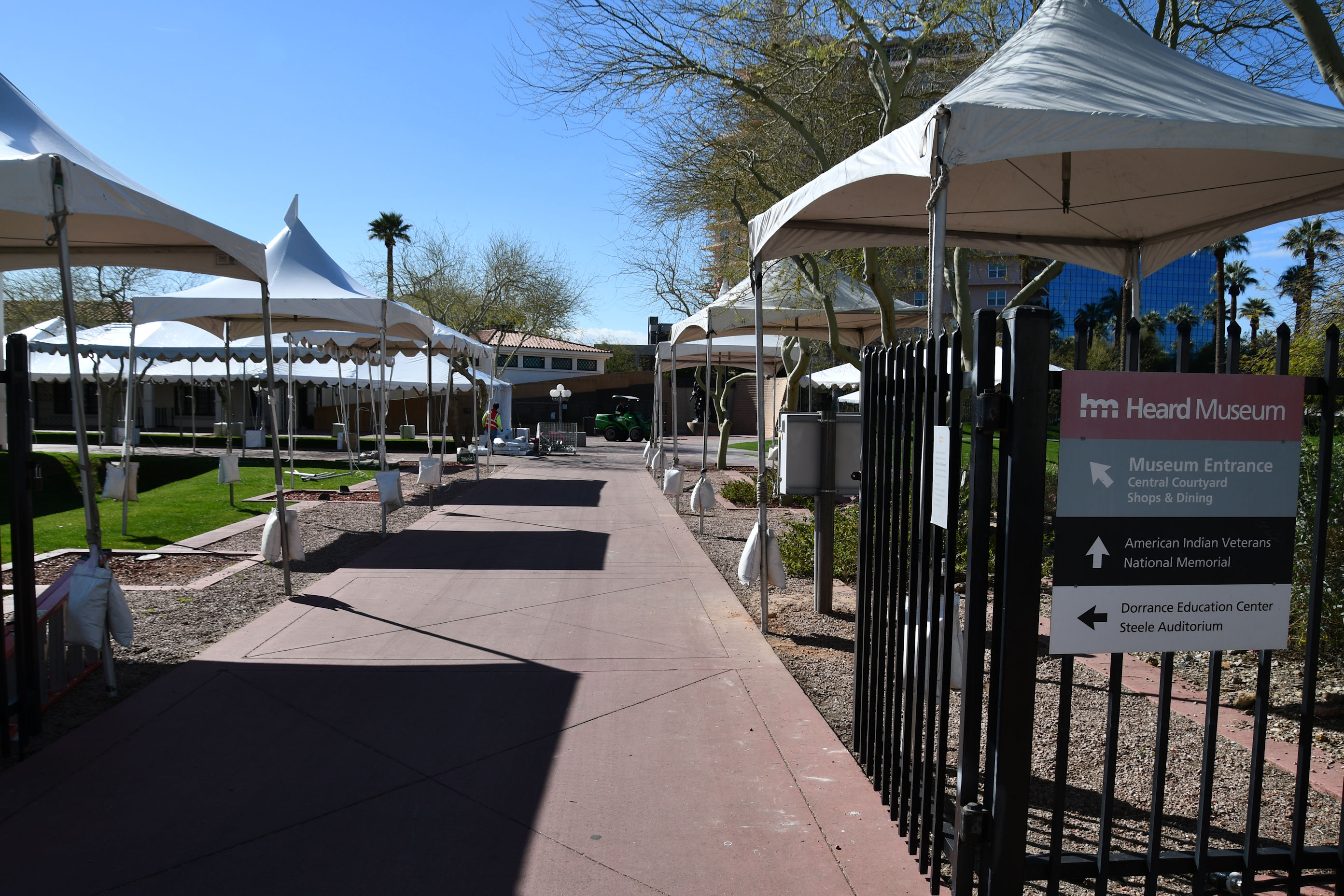

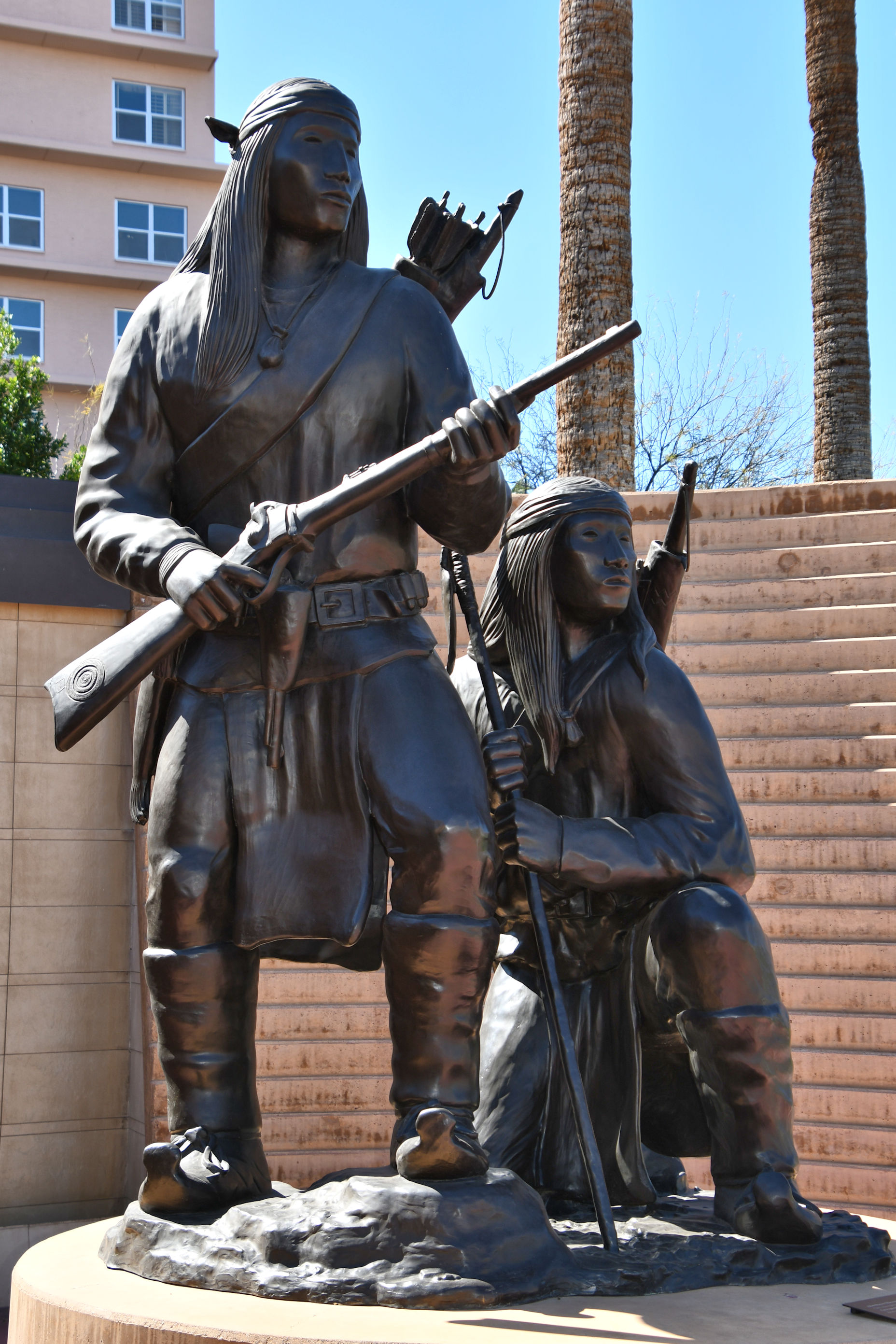
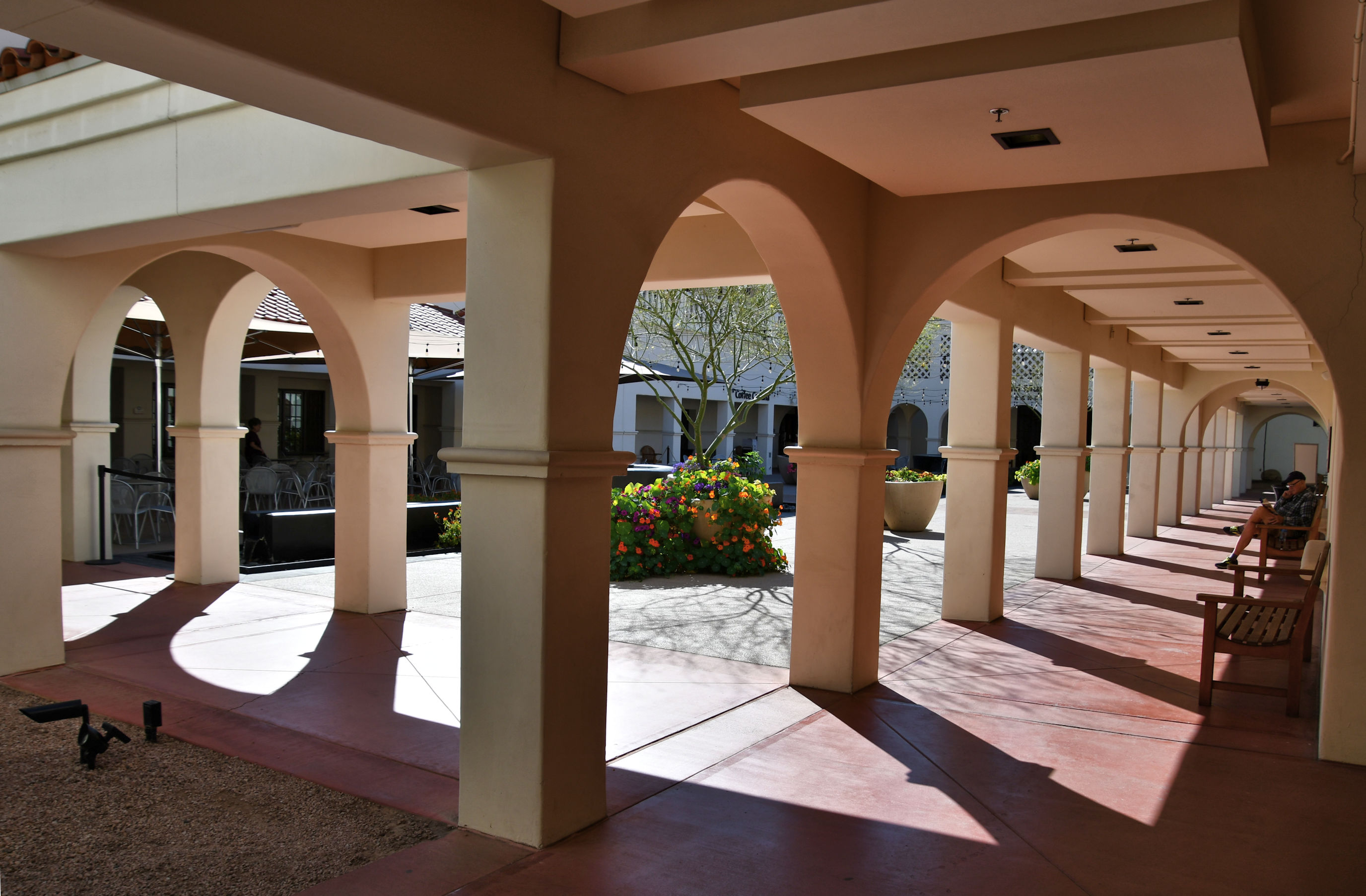
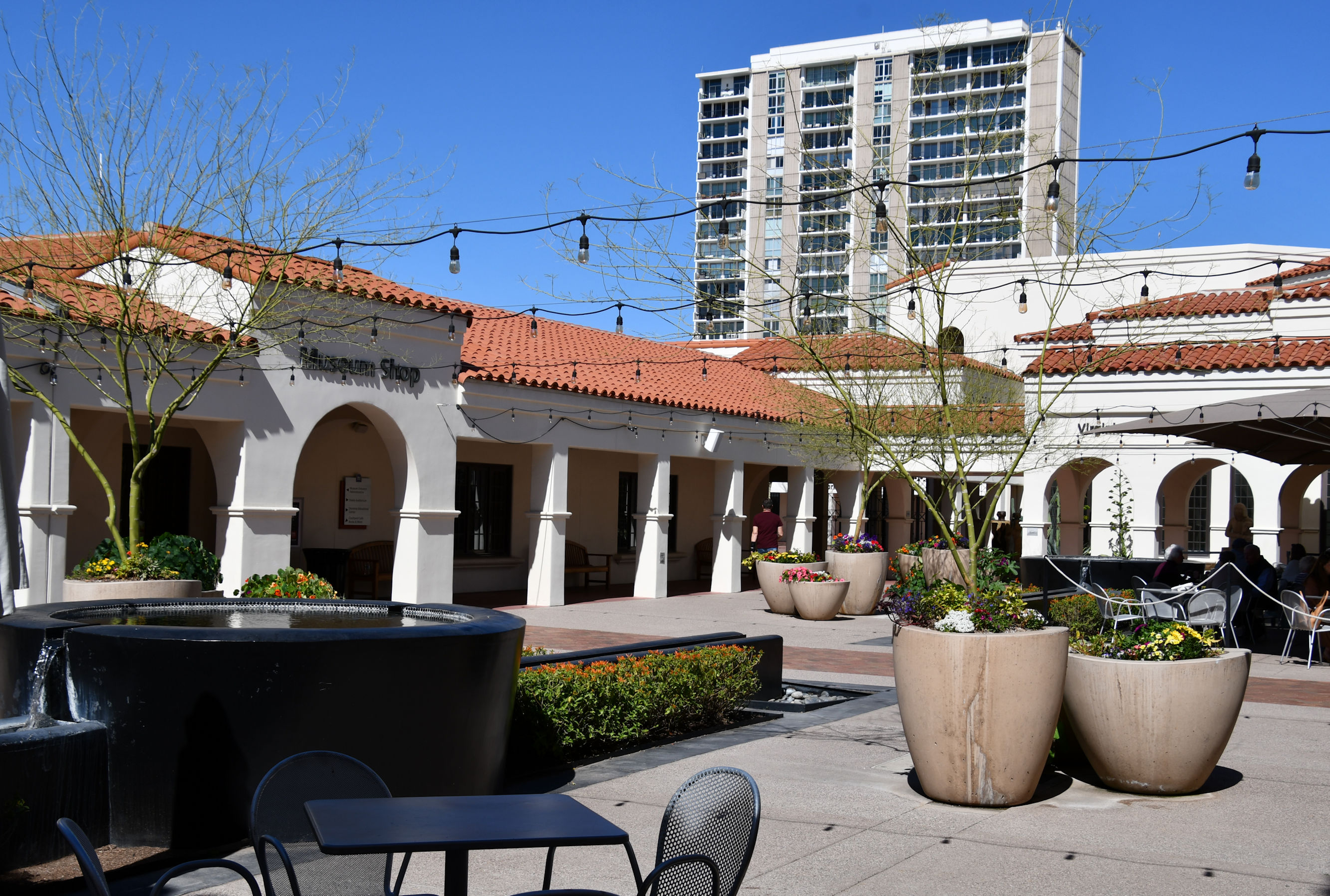
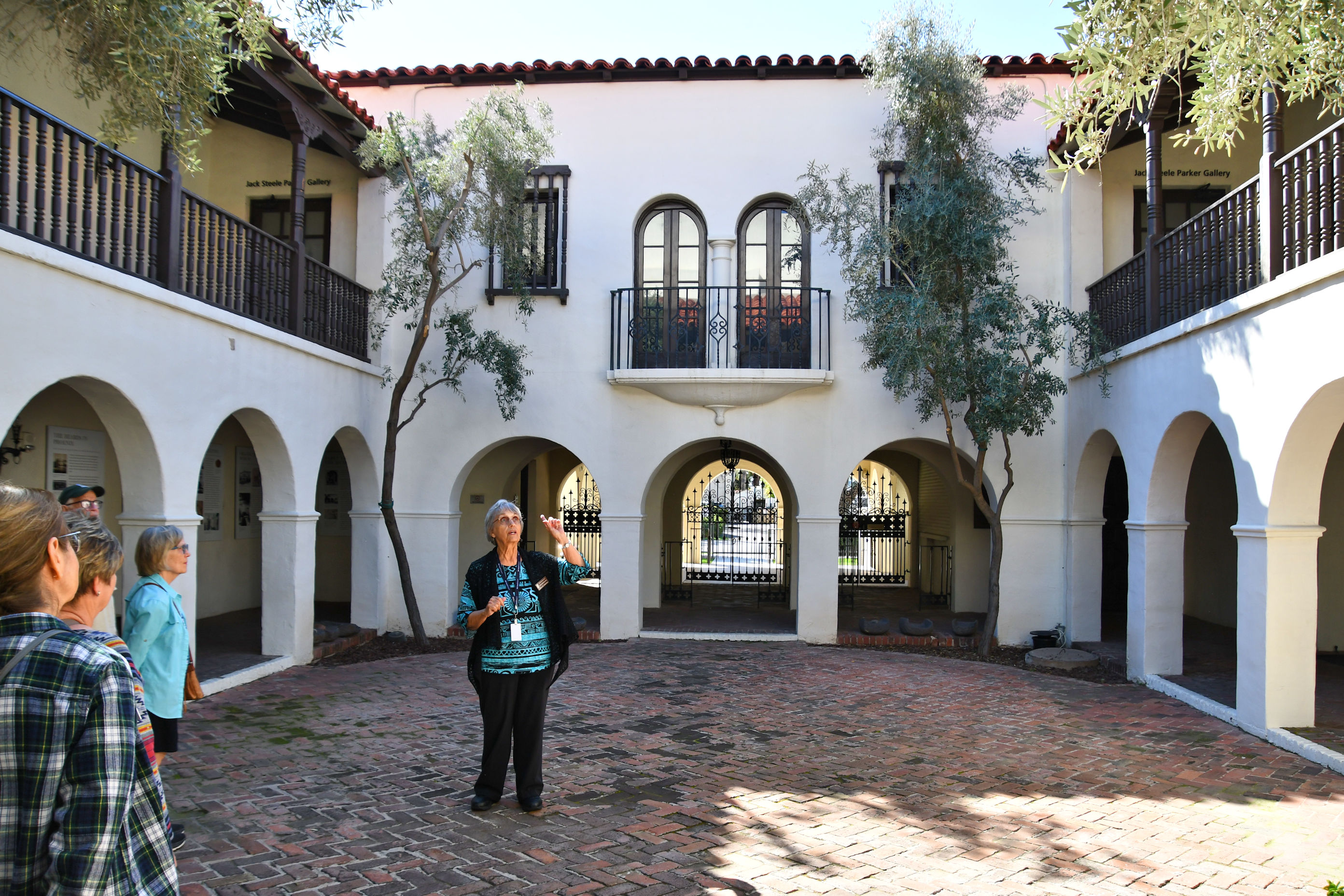
After admiring the architecture and the grounds, I focused on the work inside. Brenda Mallory’s art greeted me just inside the door. Since I have known Brenda, her star has risen. It seems maybe more than coincidence that her installation is called The North Star Changes. The North Star Changes encourages us to look at the stories inherent around us: what we observe right now is not how things are, but how things are at the moment we look at them. We are changing and the world is changing. Even the North Star won’t always be Polaris.
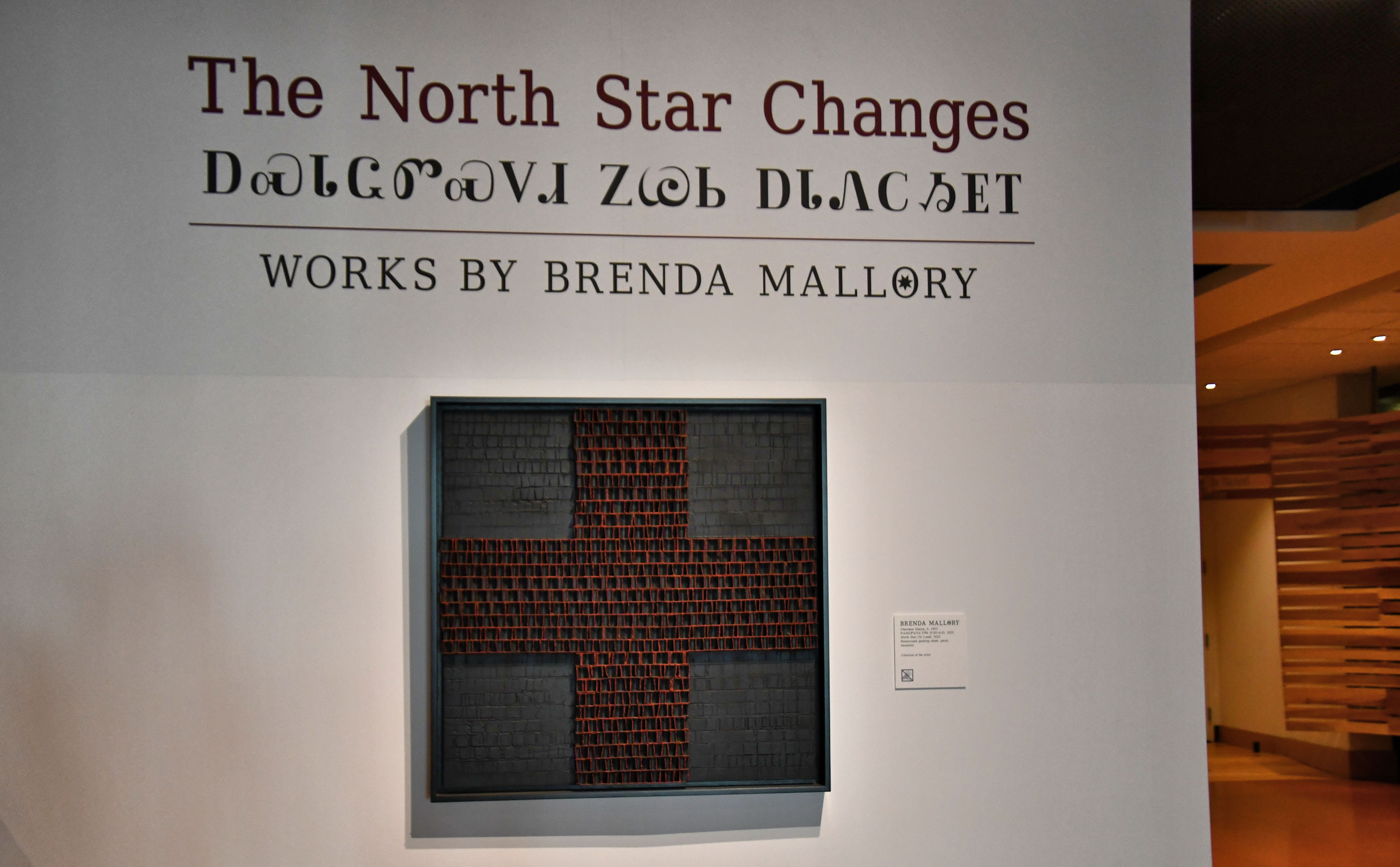
There are many things to love about what Brenda creates. She thrills at working with discarded materials; repurposing, exploring the histories of, and imagining the stories of things cast away. Before she got her hands on this stuff, it was called trash. She has used old canvas, firehose, nuts and bolts, spools of thread, glass and wax and steel, to reveal things that were harder to see before.
Take a look at this beautiful brochure of the installation.




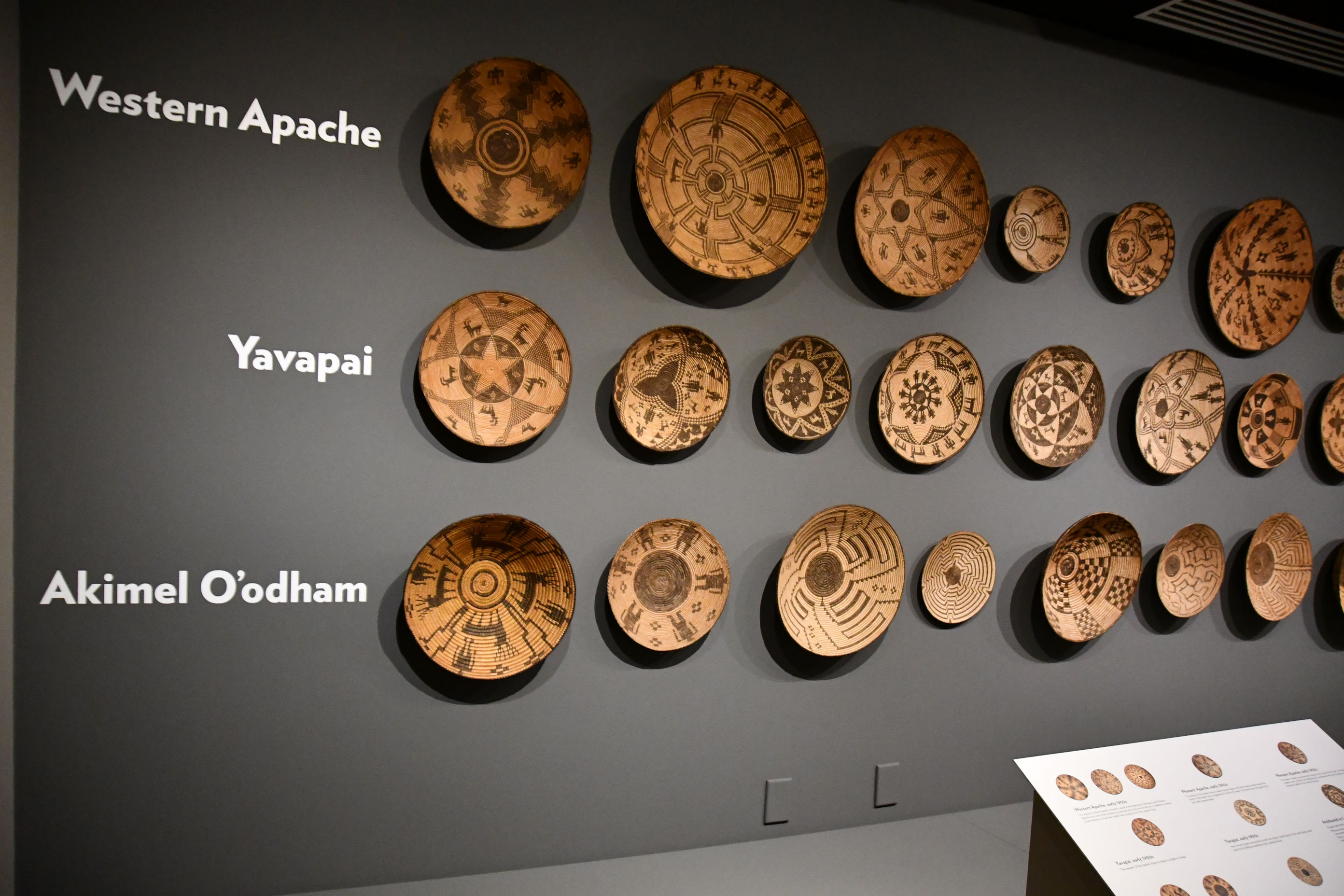
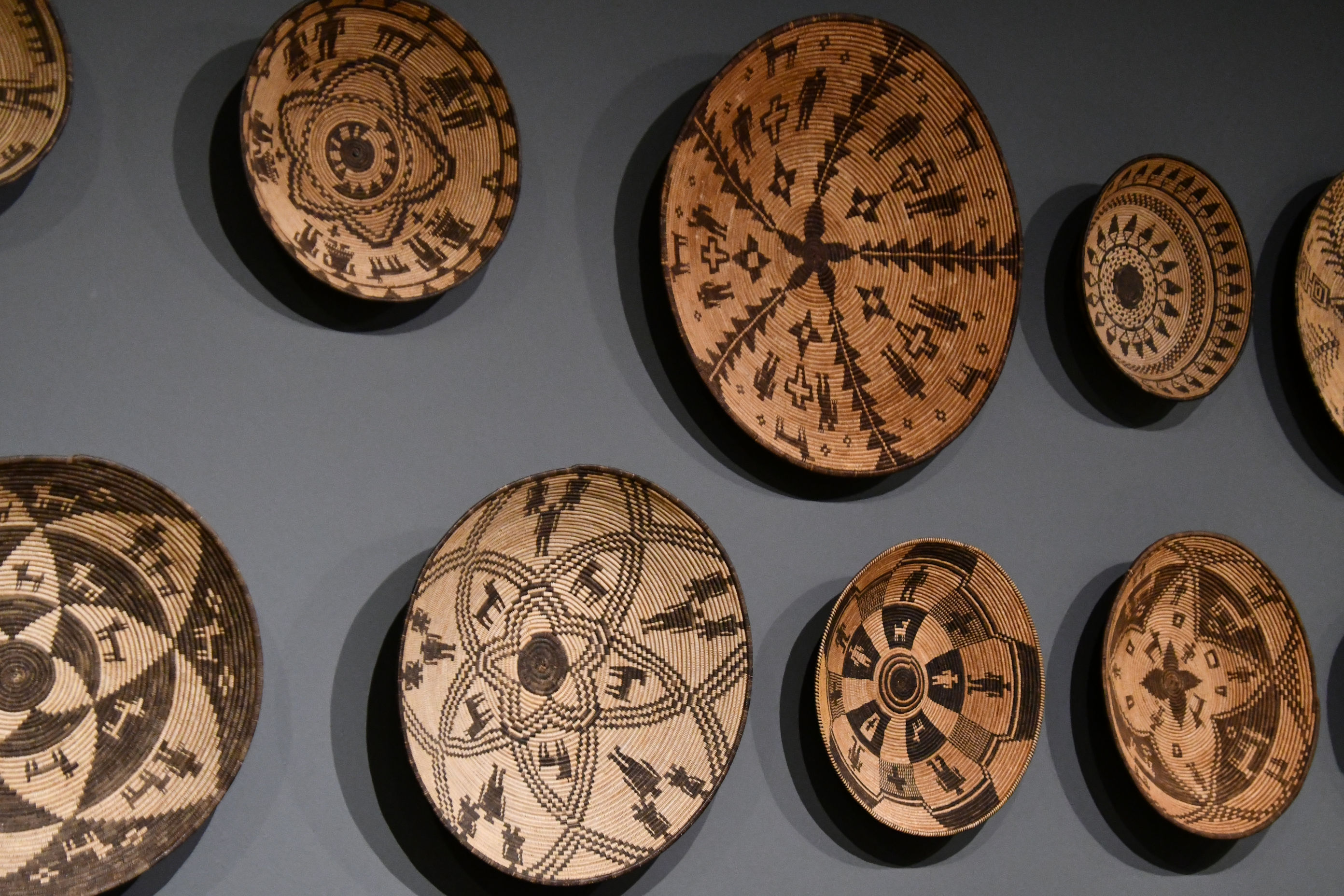
Naturally, in addition to the art work of my friend, the museum is filled with so much more. It is an excellent repository of multiple perspectives and mediums. There were even paintings and watercolors and ink sketches. The requisite baskets and pots were here, but oh, what a collection.

I believe the docent said that Maria was the ceramicist and her husband Julian applied the glaze. She disrupted the traditional Pueblo pottery world with the black on black pots in the style you see below.


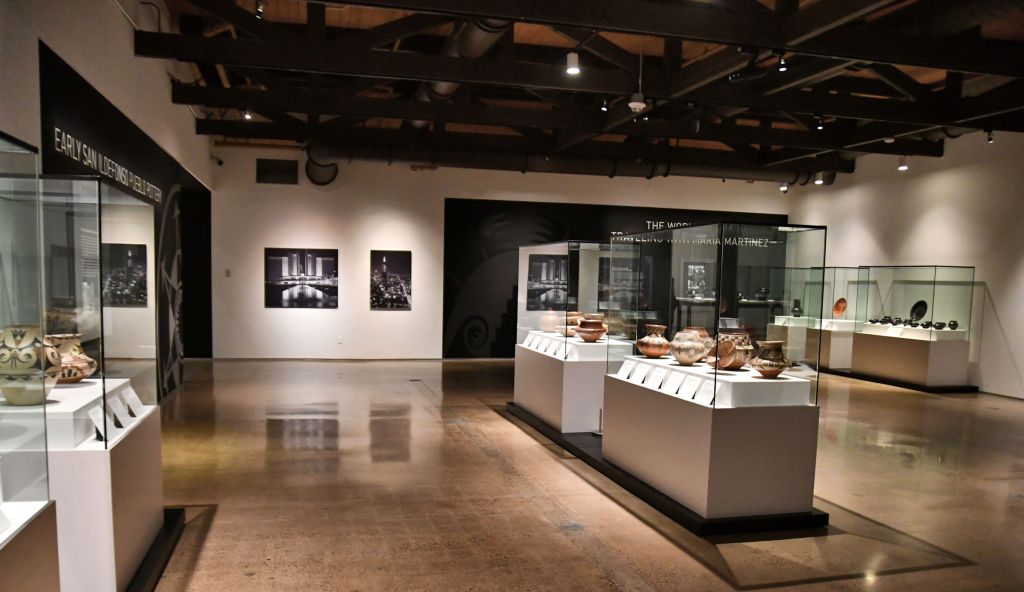

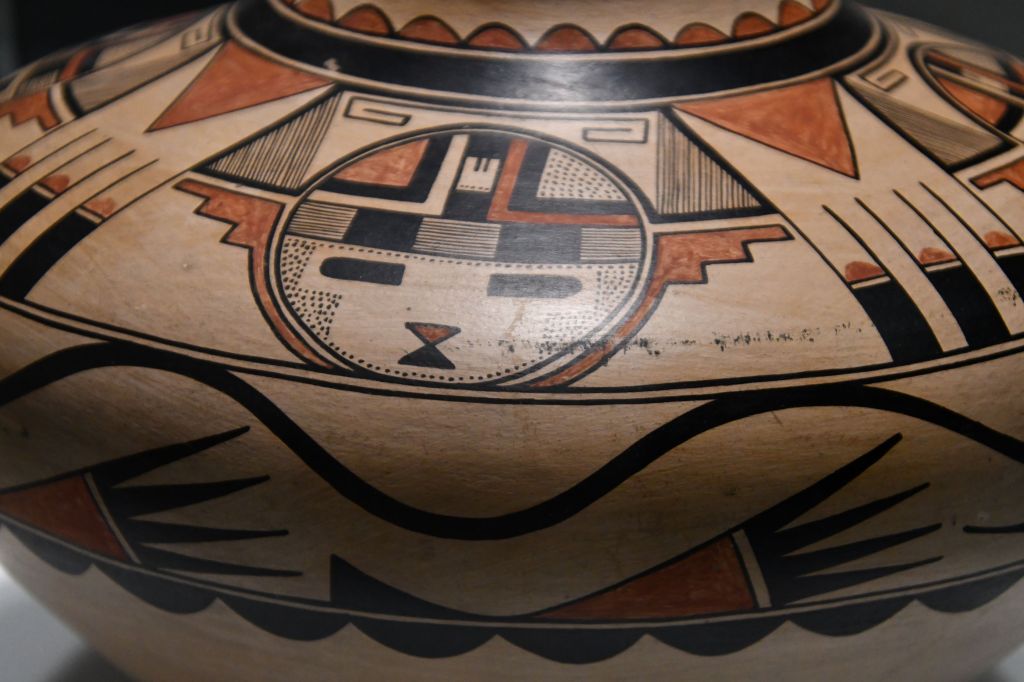
The exhibits included history on the museum itself, and its founders: Maie and Dwight Heard; on the tragic Indian Boarding Schools; a video/sound experience display; a doll collection; and many woven items as well as preserved artifacts.
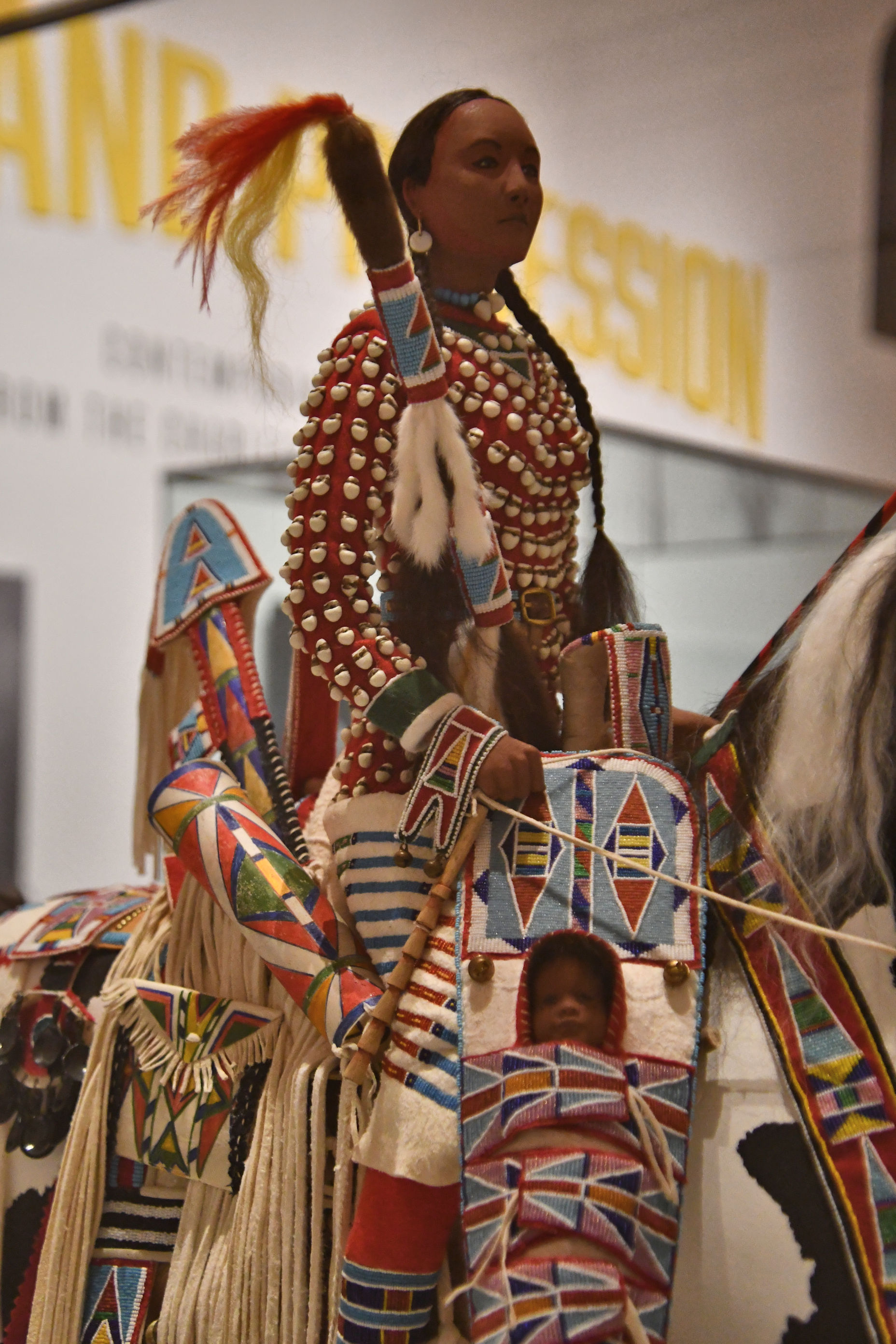
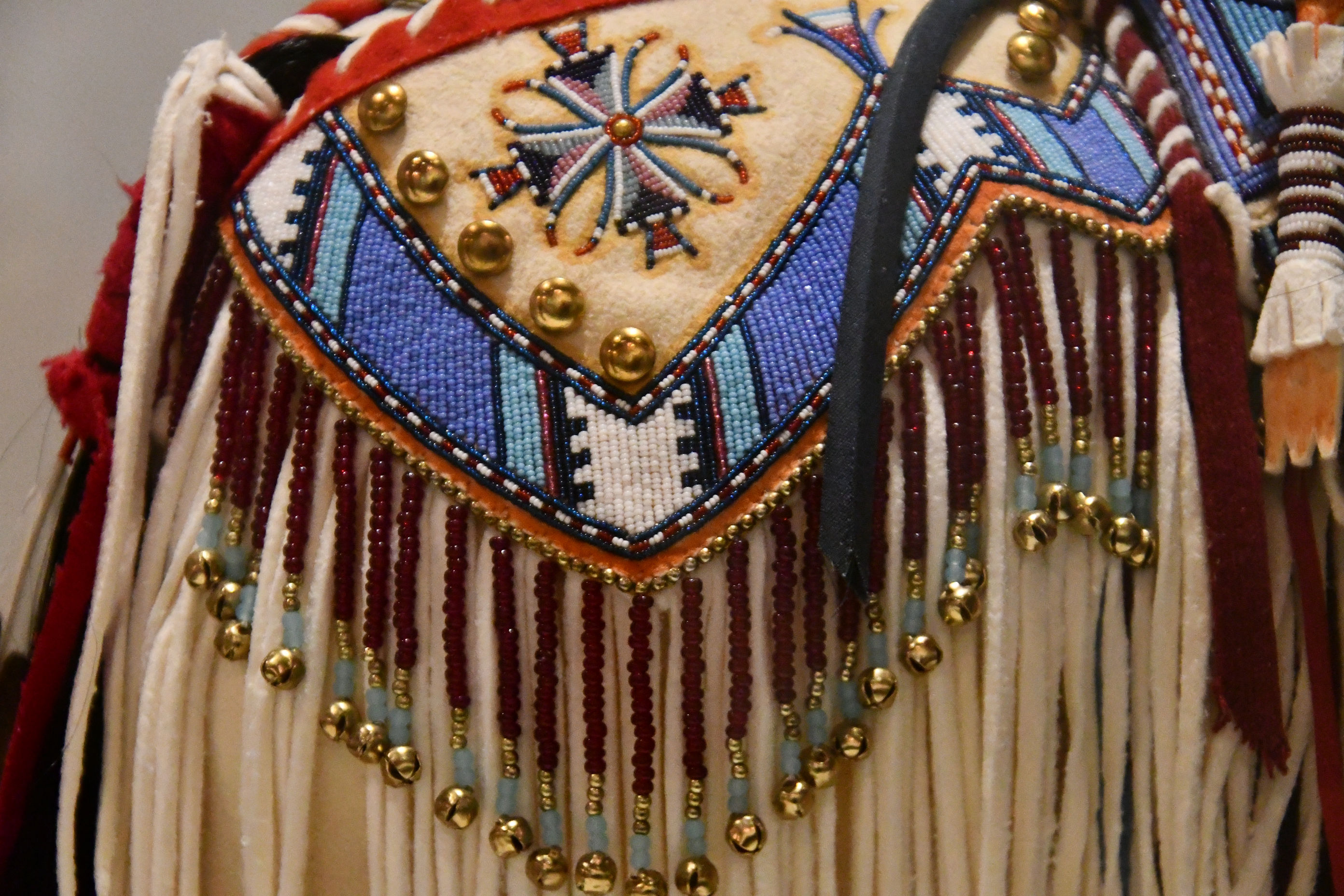

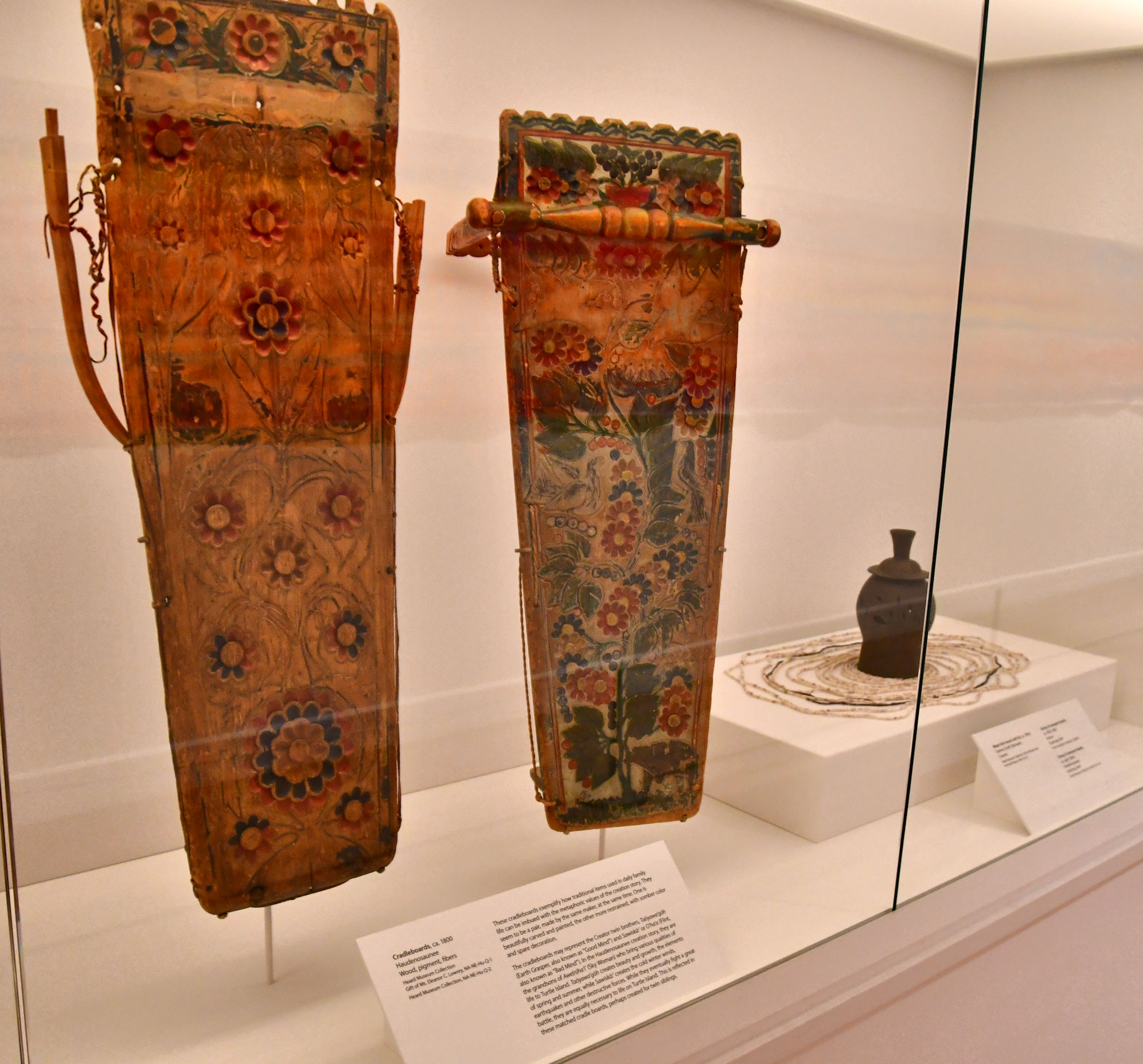
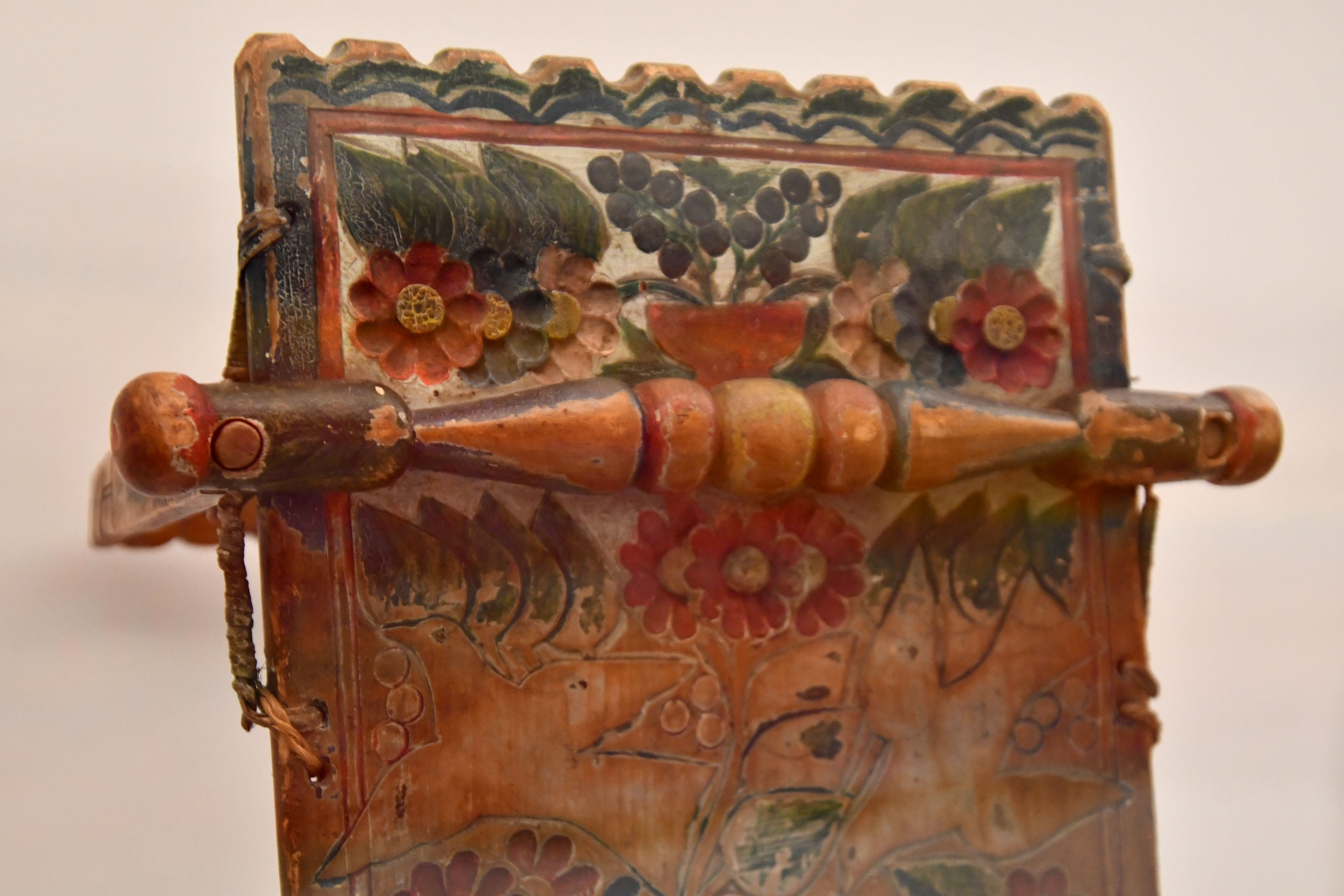


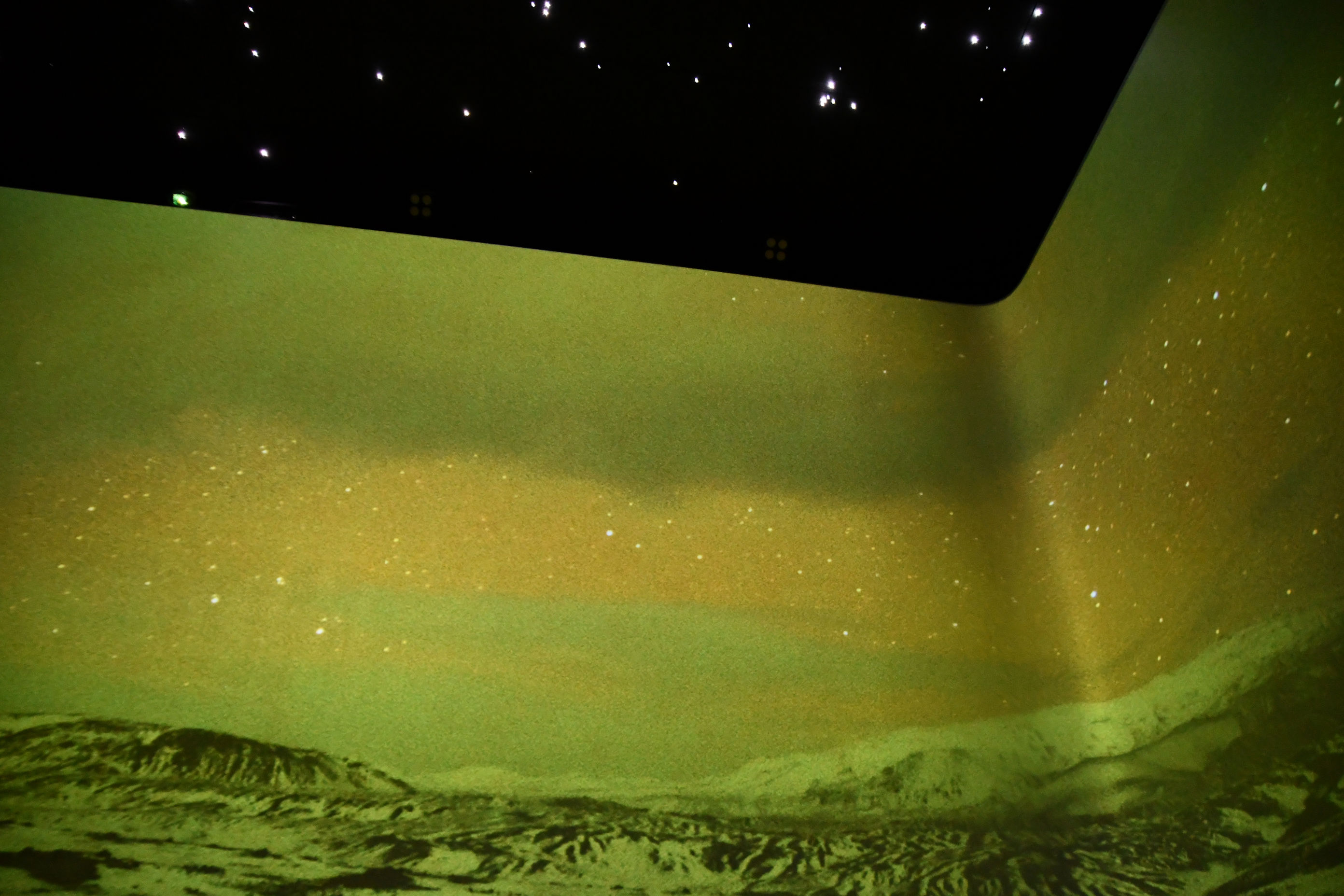


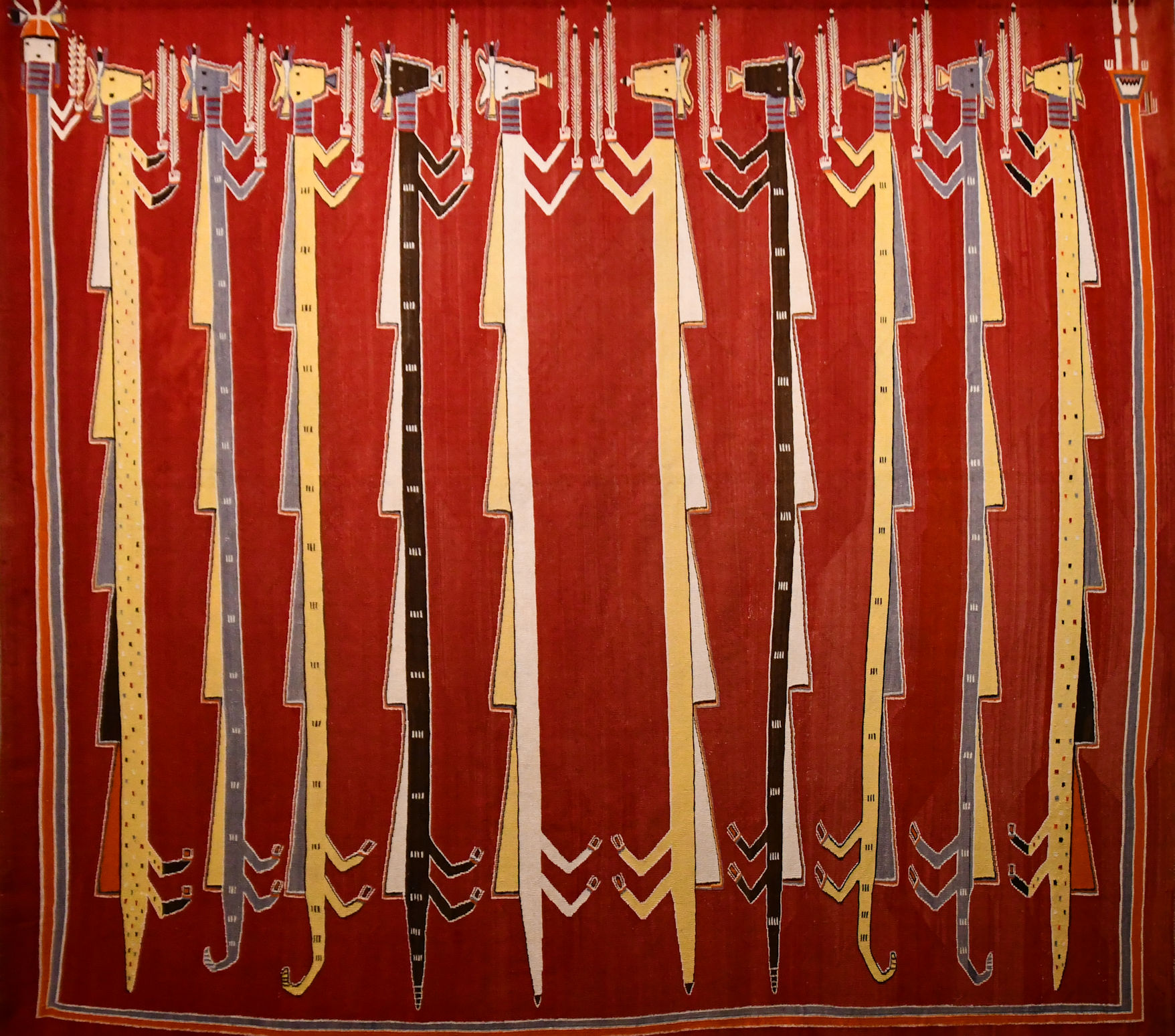
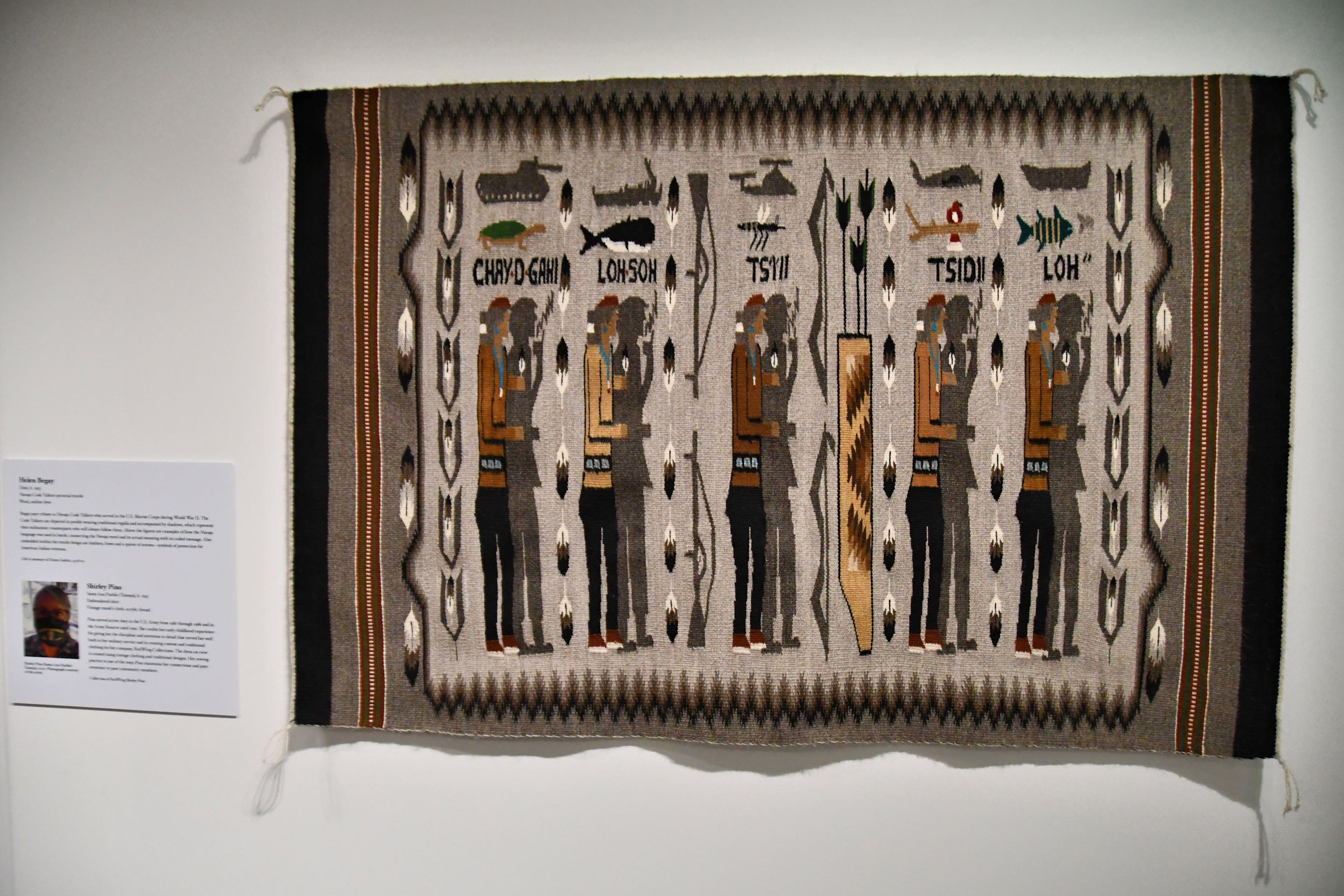


I am not very good at receiving art. I admire creations (paintings, music, poetry, sculpture, etc.) mostly for their technical skill. Sorry, but I usually just don’t get it. But I am not hopeless! Every now and then something grabs me, as this one did:
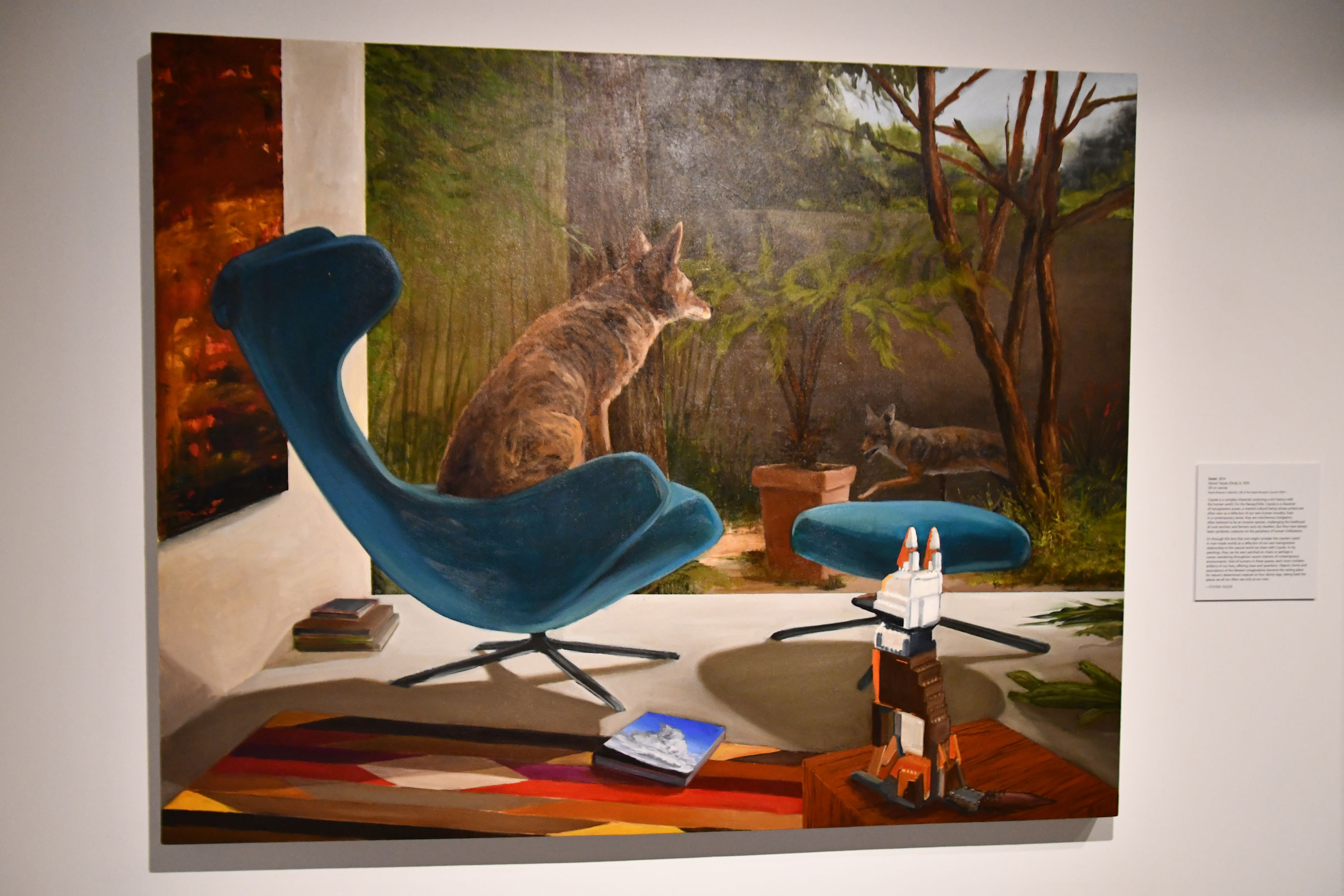
At first I only noticed a coyote sitting in a chair, but when I realized it is gazing out the window at another coyote, I stopped short.
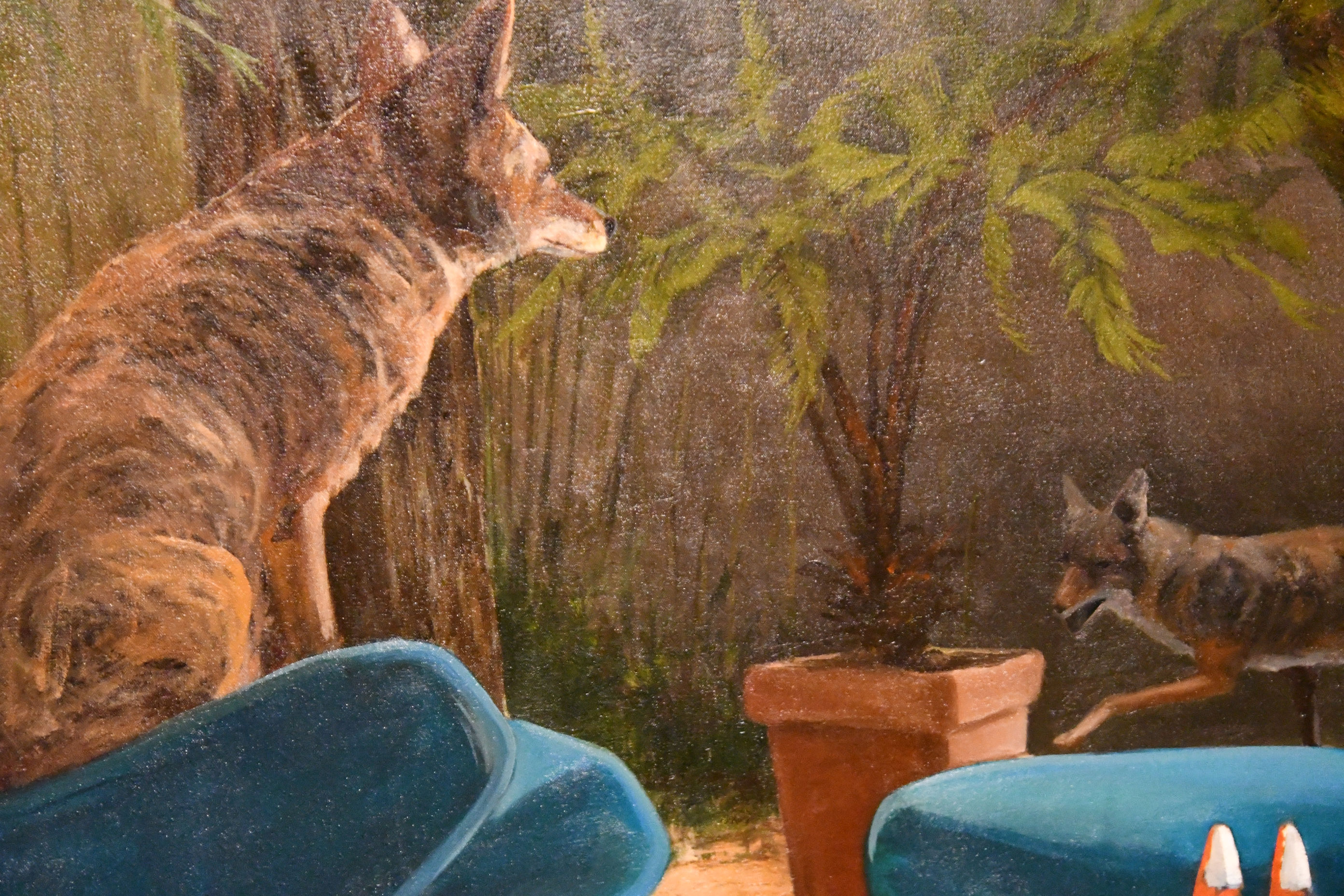
This painting expresses so much that I feel: about how our impression that we are different from the others is a construct. We surround ourselves with furniture, books, and climate control. We are self-aware and proud of ourselves for it, demonstrated by the coyote on the table made of LEGO bricks, to enforce our belief that we are better than the other. But we are the same as the one outside the glass. The image reminds me of how coyote is our revered, godlike character – one of many tribes’ first “people,” – and yet, coyote is really us. We are the ones who create our history and our culture and our future. I think this painting is just beautiful. I looked up Yazzie’s work online and he uses coyotes often, and I like a lot of it.

After the museum, I hopped back into the Dragon Wagon and began my few hours’ drive to Show Low to see Marlene.

 Conscious Engagement
Loved every minute Crystal 😍
Oh you did, really?! I am so glad. I was afraid of burdening you all with the many, many photos. Thanks for your comment, Brian.
I am a visual person, lots of writing has me scrolling and speed reading. Photos make me scroll slower and possibly take in more.
Ah, that makes sense. Well I’m happy to provide eye candy. 🙂
Perfect blend of art and history. Love the fabric and wax art and I am a sucker for baskets. Looks like a beautiful museum!
This was a particularly good museum, I thought. I’m pleased you like the wax and fabric that my friend Brenda uses. Her family kept bees when she was growing up, so she said that’s what draws her to using the wax. I realized, skimming through photos just now, that Brenda uses the same colour palette often. That is also compelling.