
There was a single road above us on the hill that could accommodate cars. This road stayed pretty busy because it is the road leads to El Pípila, a monument and tourist hot spot close to our Airbnb. With a landmark like Pípila, he became synonymous for “home,” for us, and we kept an eye out for him wherever we were. When we wanted to head back, we would say it was time to go back to Pípila.
Juan José de los Reyes Martínez Amaro has a monument because of his importance during the Mexican fight for Independence from Spain. His boyhood nickname Pípila is the word for a turkey hen, and is said to refer to Juan’s freckled face (like an egg or plumage), or his laughter (sounds like a turkey). He was Mestizo, so I’m curious about the freckles; that might have been unusual. He came from San Miguel de Allende and worked in the Mellado mine in Guanajuato.
In September 1810, the revolution began nearby and soon moved to Guanajuato. Spaniards refusing to surrender to local rebels barricaded themselves inside of the Alhóndiga de Granaditas, a stone building with a wooden door. As the story is told, Pípila strapped a flat quarry stone to his back as armor from the guns of the Spaniards, and made his way to the door and set it on fire. This allowed the locals to storm the place and dominate the Spaniards.


Until we learned a quicker route, our first trek into the city from our Airbnb was to go to el Pípila first, then follow the steps down. We walked up the stairs to the giant cistern, then walked a few blocks toward the monument.

We said good morning to the monument, muscular miner holding his torch defiantly, then found another staircase and headed downward.


Did I mention the weather was a million times better in Guanajuato than on the Yucatan peninsula? It was still warm – hot even, if you stood in the direct sunlight – but so pleasant compared to the stickiness of the jungle.
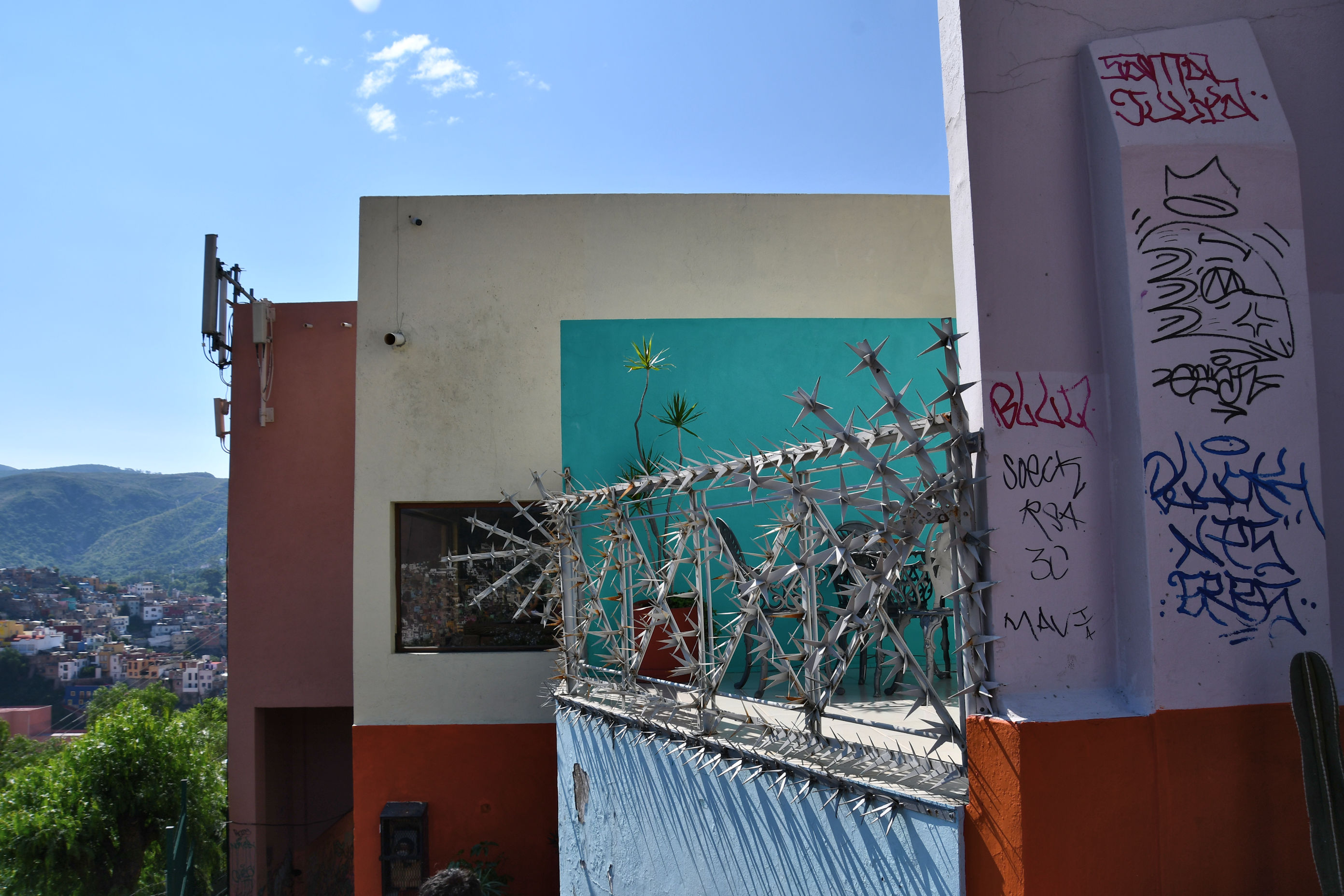


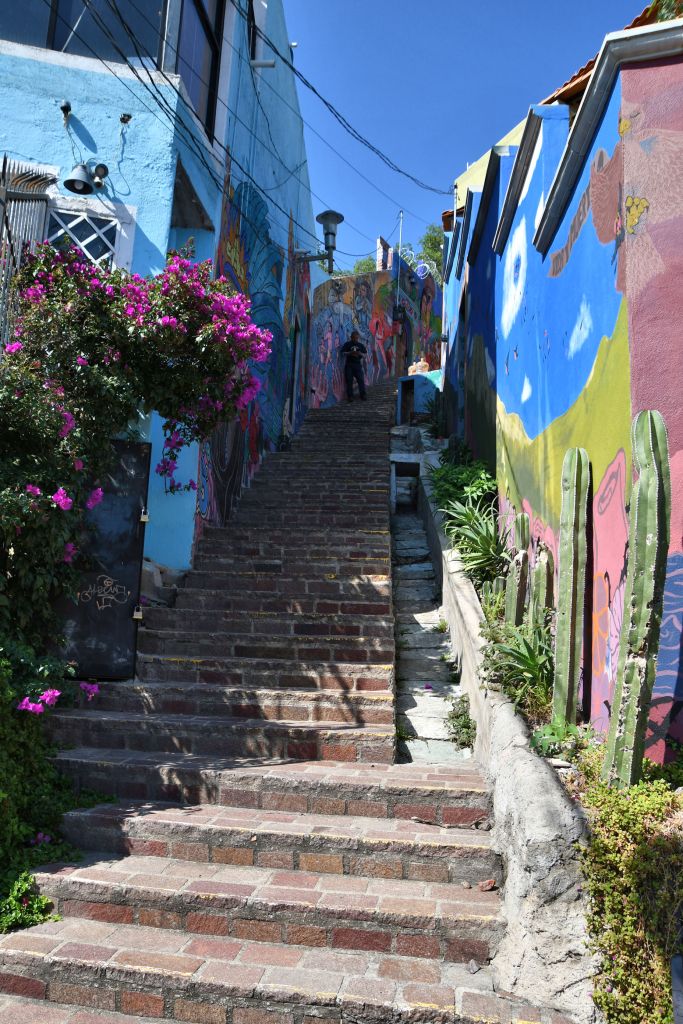


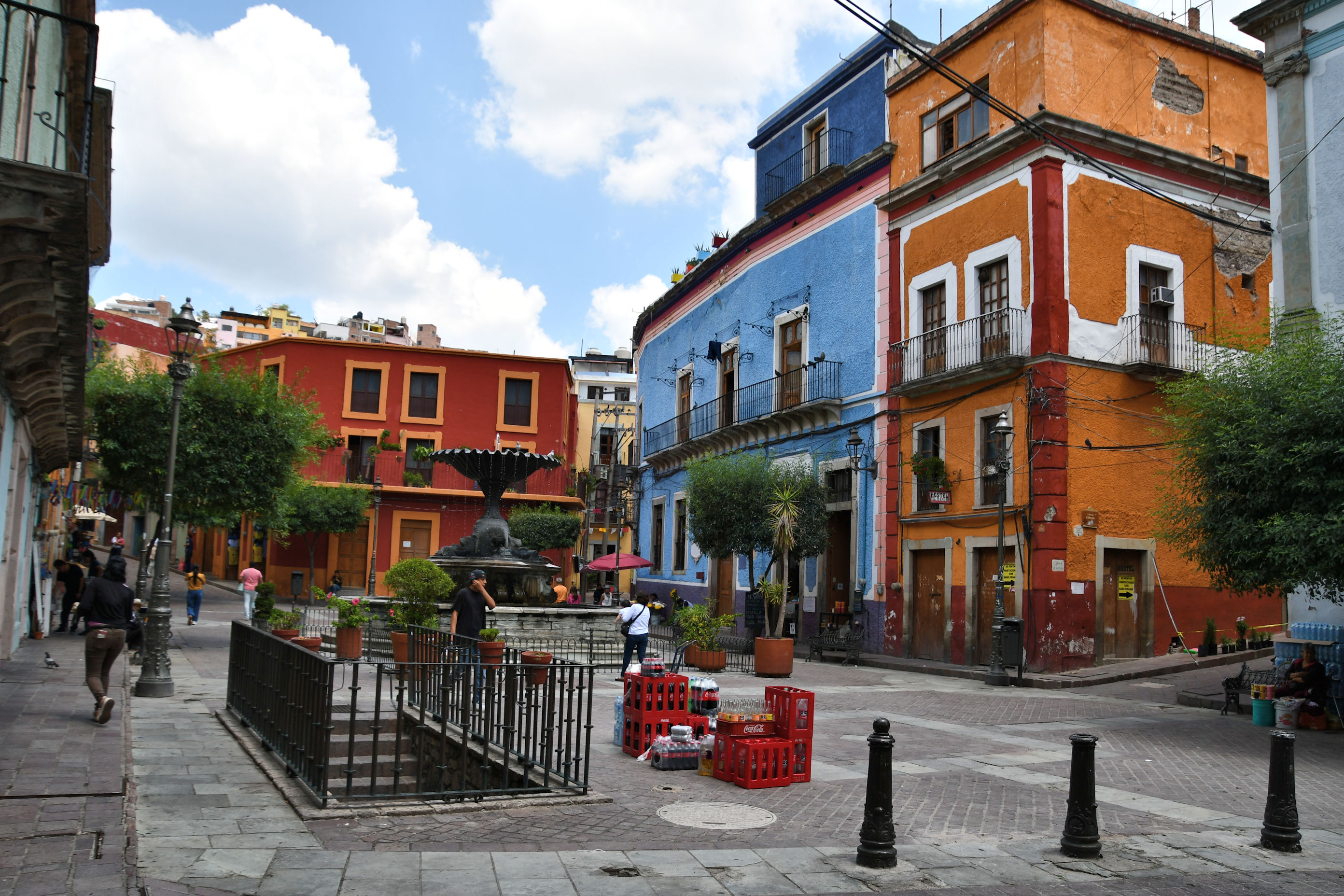
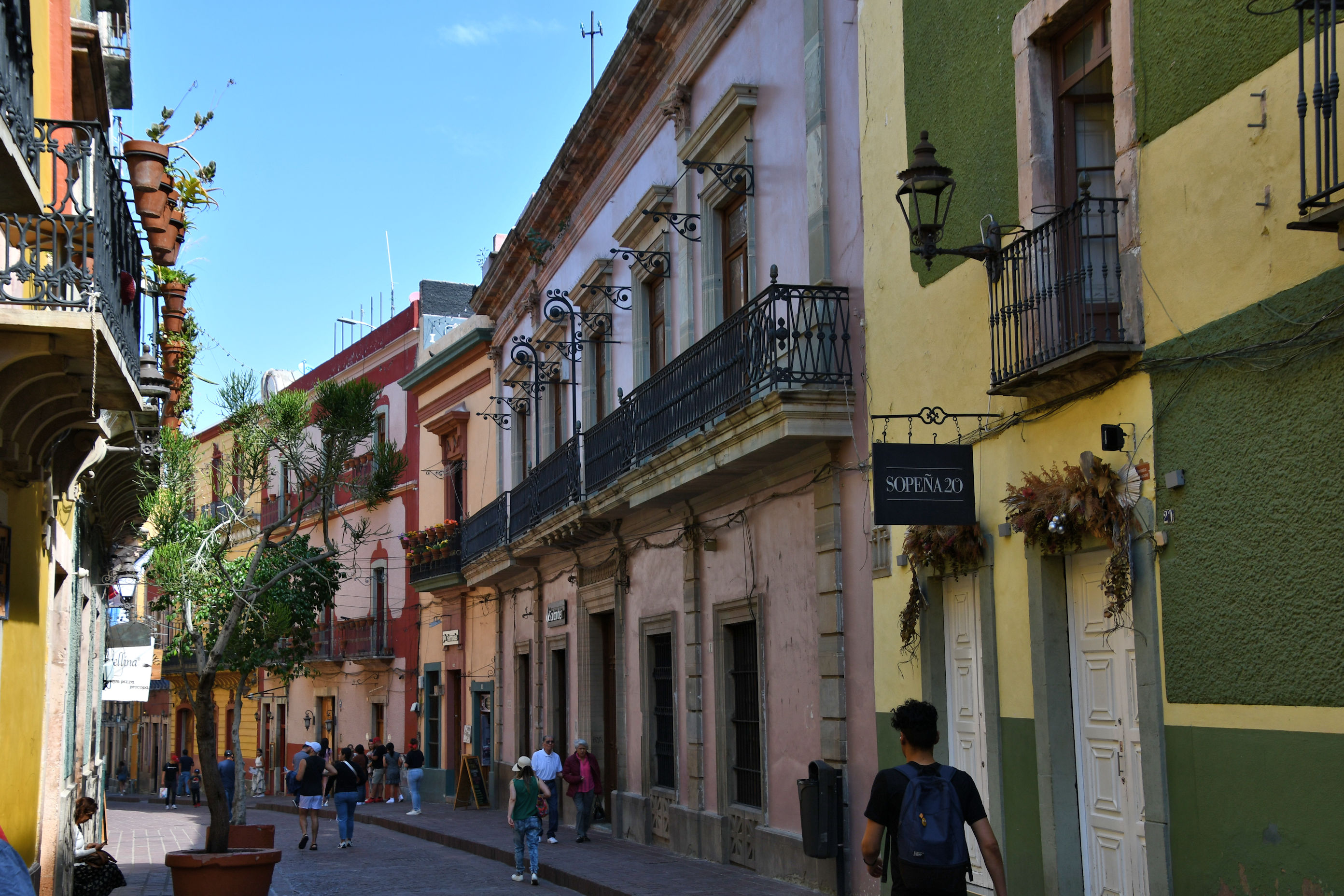
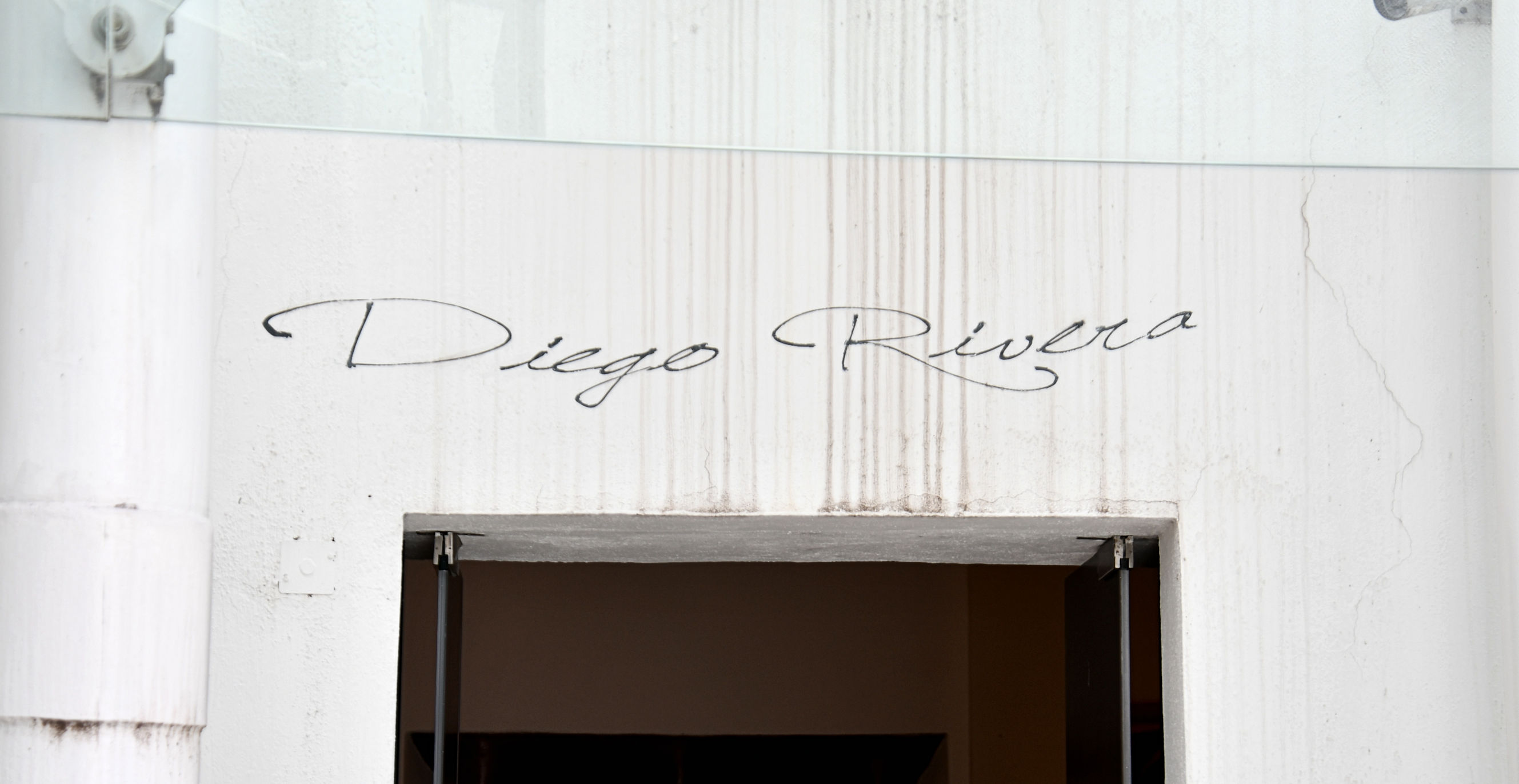
At the bottom of the hill I was simply enamoured with the city of Guanajuato, its narrow streets and attractive buildings kept capturing my imagination. But we did not linger. Our first stop would be the Diego Rivera’s House museum, and Pedro led us there by memory. He left his hometown many years ago and has only been back to visit a couple times. Despite that, he remembered how to get everywhere we wanted to go.
The Rivera family is related not too distantly to Diego Rivera, and are proud of the connection. Pedro’s dad was called “Diego” as a nickname. The museum today in Guanajuato is located partially in Diego’s former home, with a modern expanded addition.


We wound our way to the museum and went inside. This is the home where Diego Rivera was born with his twin brother in 1886, and lived for the first six years of his life. His daughter, Guadalupe Rivera Marín spearheaded the project to make the home into a museum. It is more or less in two parts: the home restored and furnished to look as it would have at the time of the artist’s birth, and a gallery that displays artwork from Rivera as well as others.




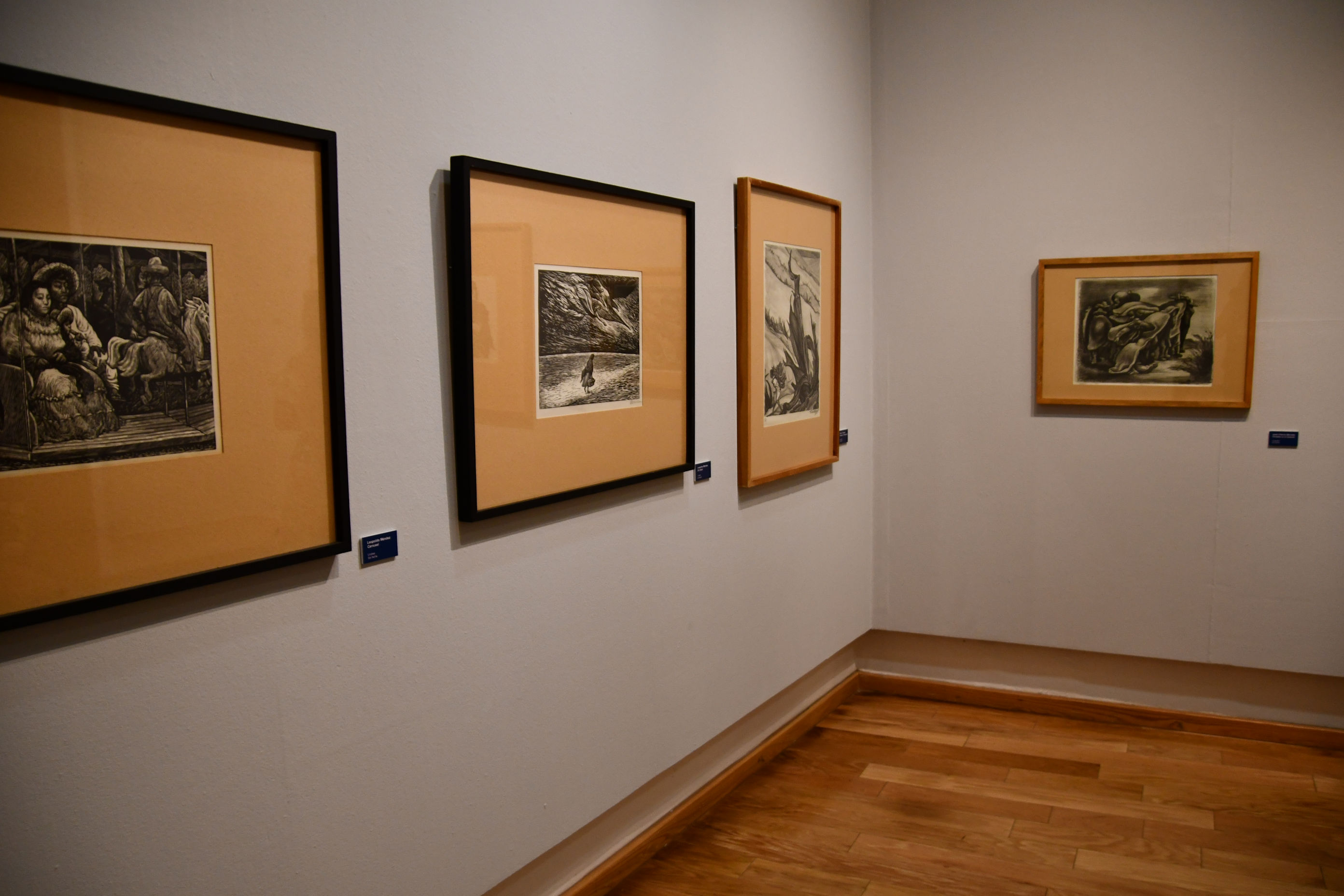
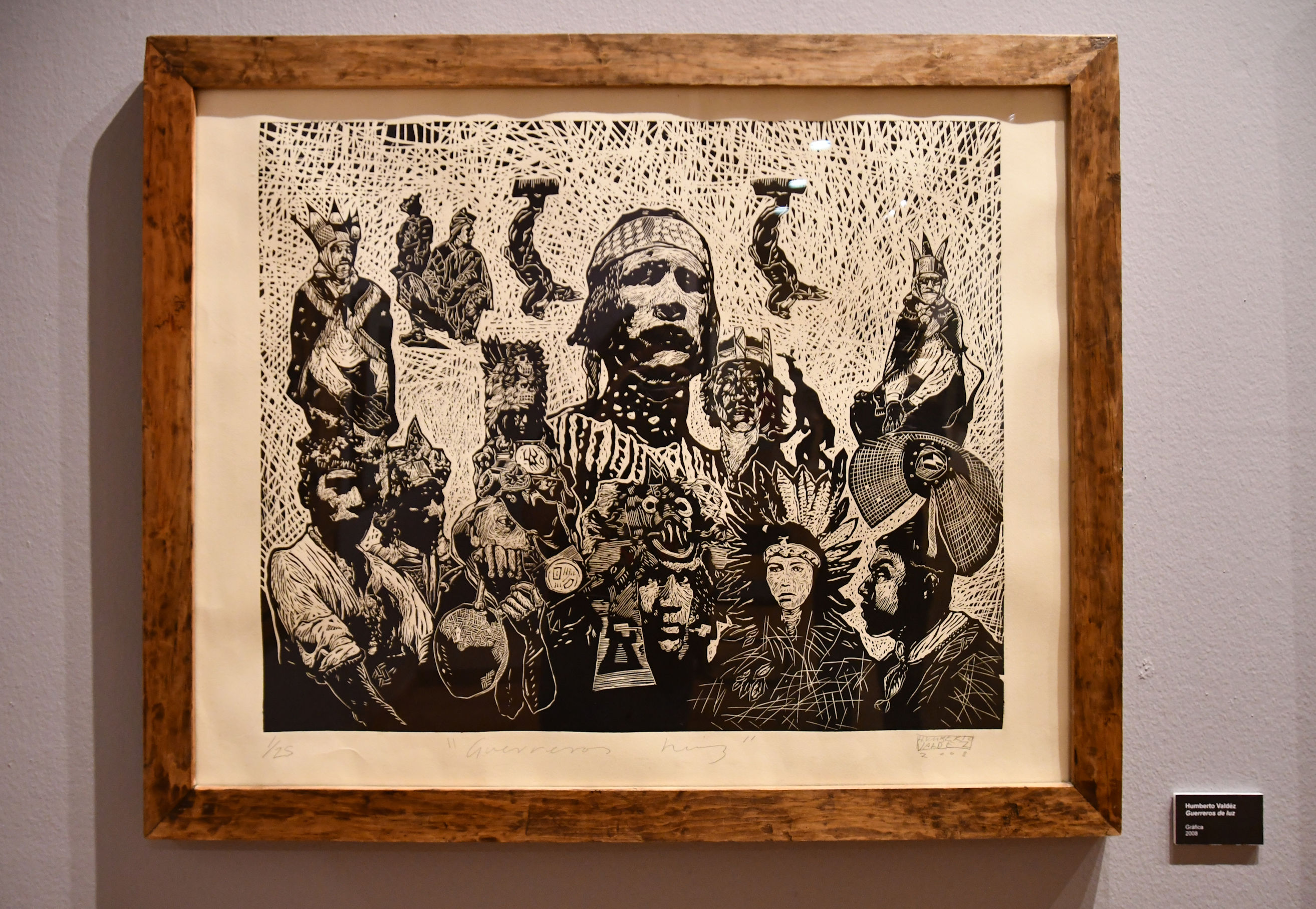
I liked the photos and images of Diego Rivera himself. He had such a distinct look.


We left the museum hungry and found good food at Truco 7 Restaurant. We also bought a bag of ground coffee at Cafe Conquistador, for use in our Airbnb.

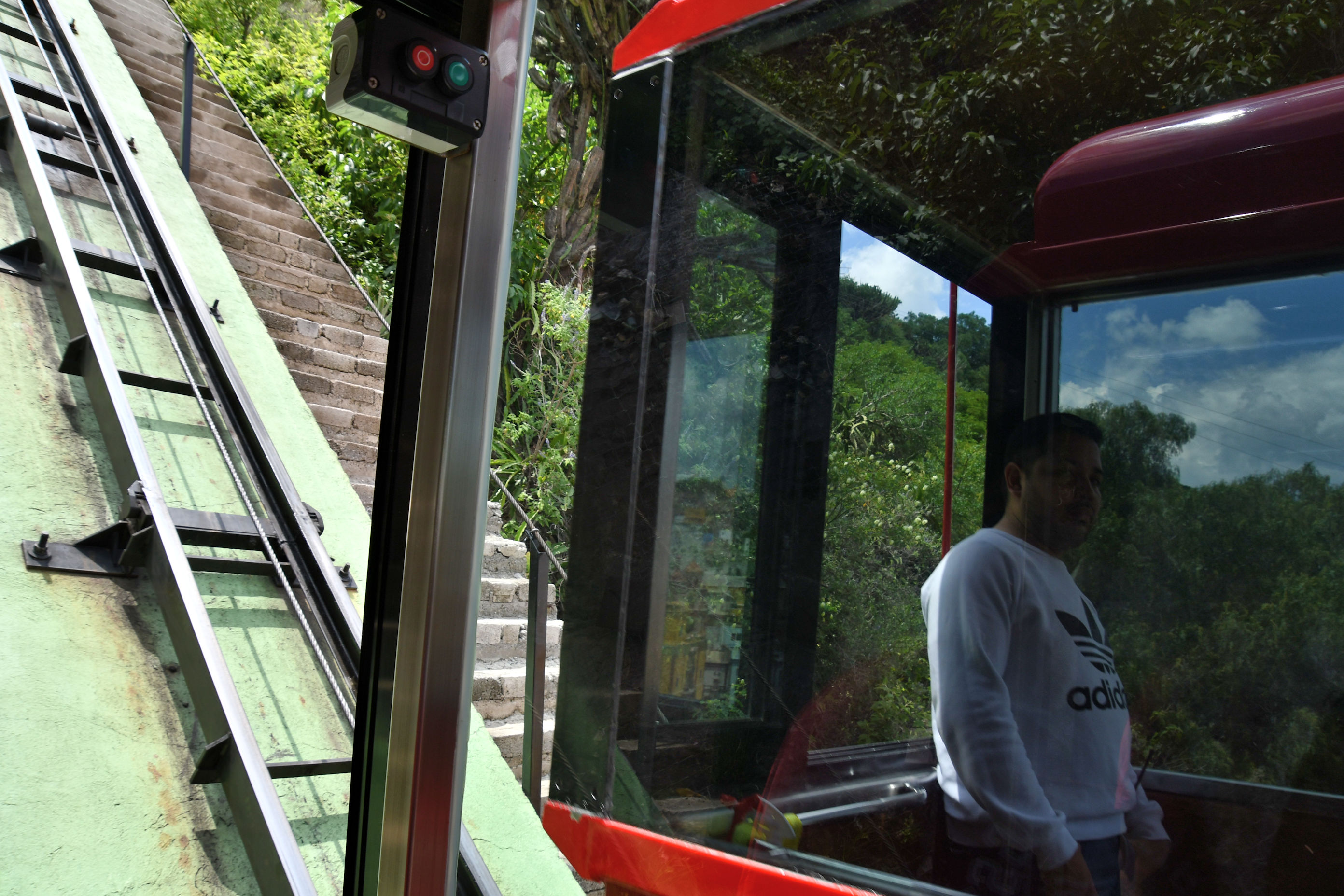
When it was time to return home, we were all eager to take the funicular instead of walking up all those steps.


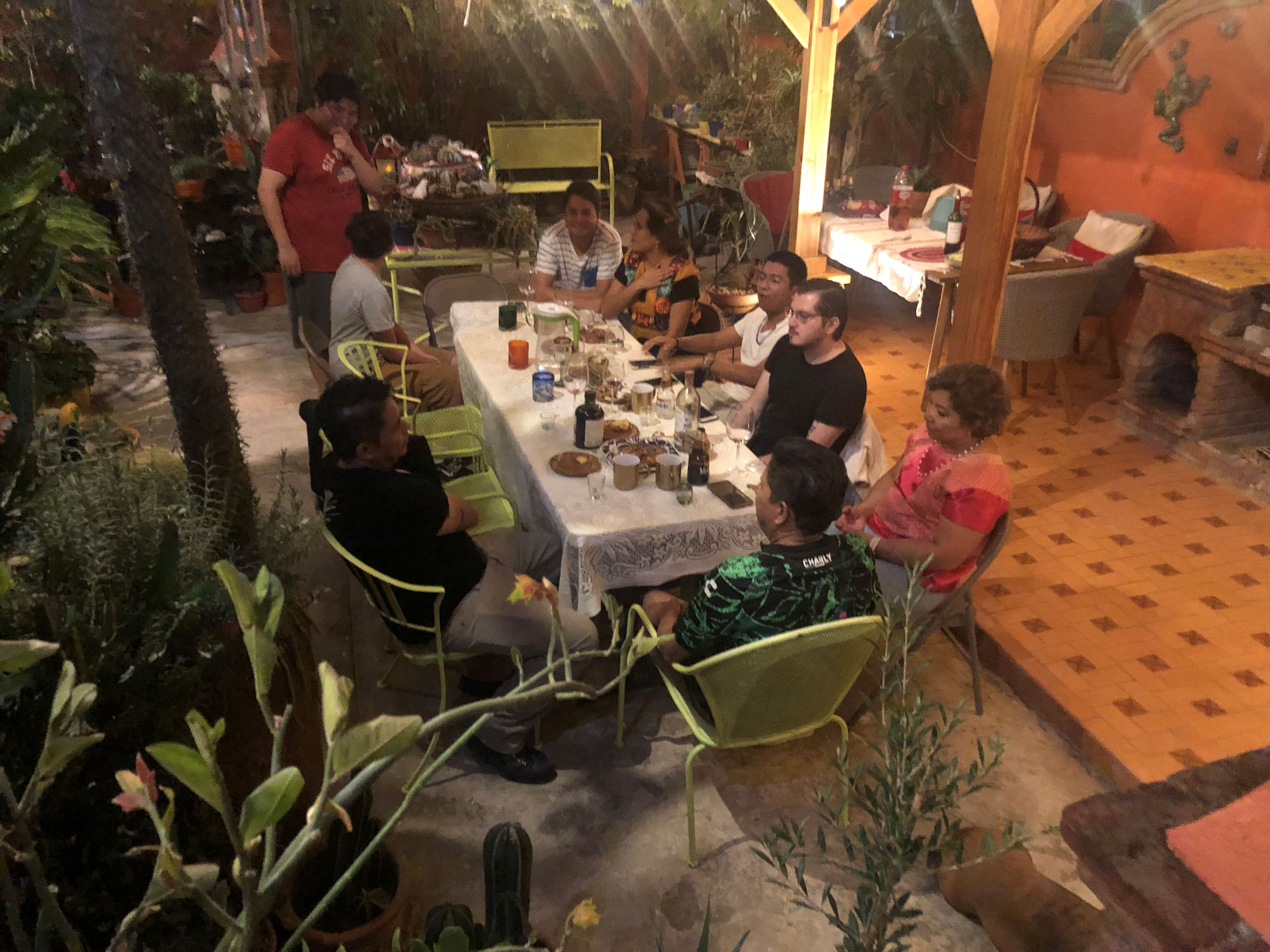
That evening we were invited to our first of several family gatherings. It seemed like each siblings’ family was vying for the opportunity to have us over and feed us. I am not used to this kind of welcome, with different family scattered all over the same city, and everyone trying to get in on it. It made us feel like celebrities.
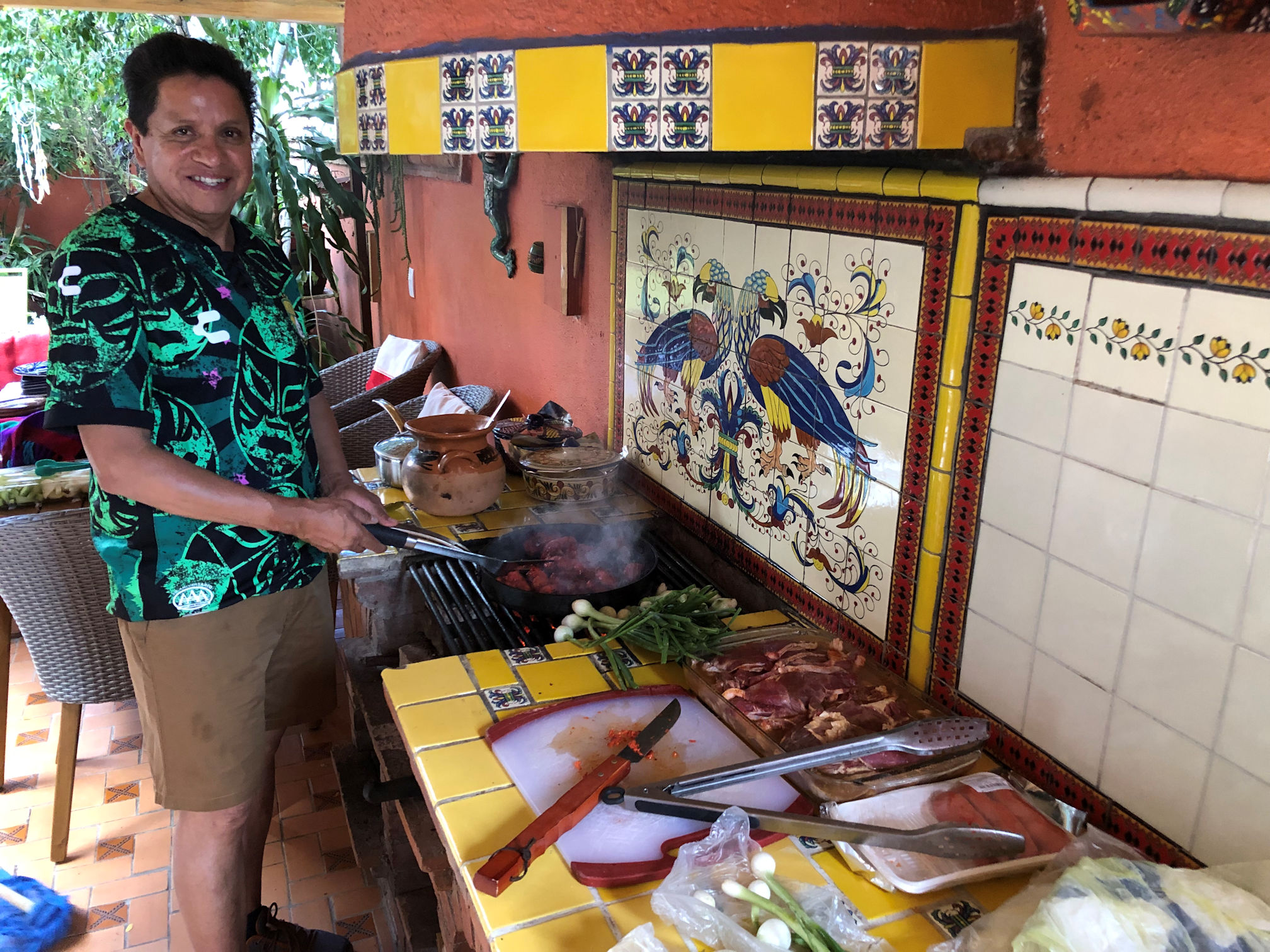
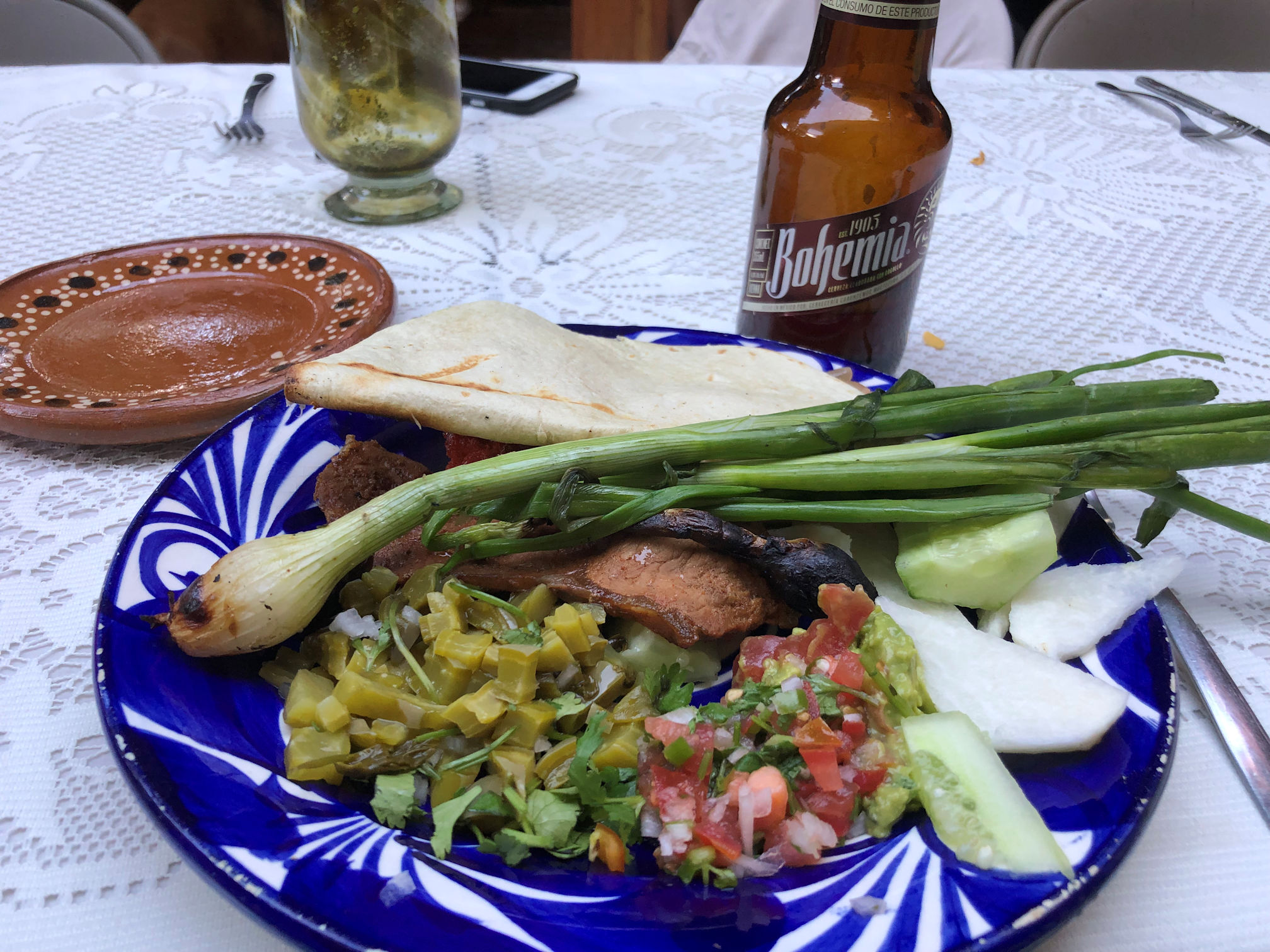
We went to the home of Pedro’s brother Jesus, and Jesus’ wife Veronica. Their daughter Denise was there, and son David, with their guests, and Veronica’s mother Concha, and a bunch of dogs too. Their home is gorgeous and we spent most of our time in an outdoor patio with a spectacular outdoor kitchen. Jesus and Veronica served the most amazing meal. I’m getting hungry right now, just remembering it.




 Conscious Engagement
Another most colourful beautifully photographed tour. Pipila is well placed to be a landmark. I think it is 1864, too
The thing that makes me hesitate is the 1, but I appreciate your thoughts on it. I tried researching the building to see how the date is significant, but did not find anything.
More beautiful captures of this colorful ciudad. Family and food…what a great thing. Great post!
Thank you Lenore. While I truly loved exploring the city, my favourite part of this day was the gathering with family at the end.
So much history and color and art! Glad the temp felt more manageable too. I have a friend who lives in Yucatan and shares a lot of photos of his colorful town there too ( Merida). It all looks so enticing especially with local guides. Even the food is vibrant!
We were so close to Merida when we stayed in Valladolid! We had marvelous food there, in Tulum, and also in Guanajuato – though most of our meals in Guanajuato were cooked by la familia ❤ (best of all)
And I can only imagine how good THOSE meals were!